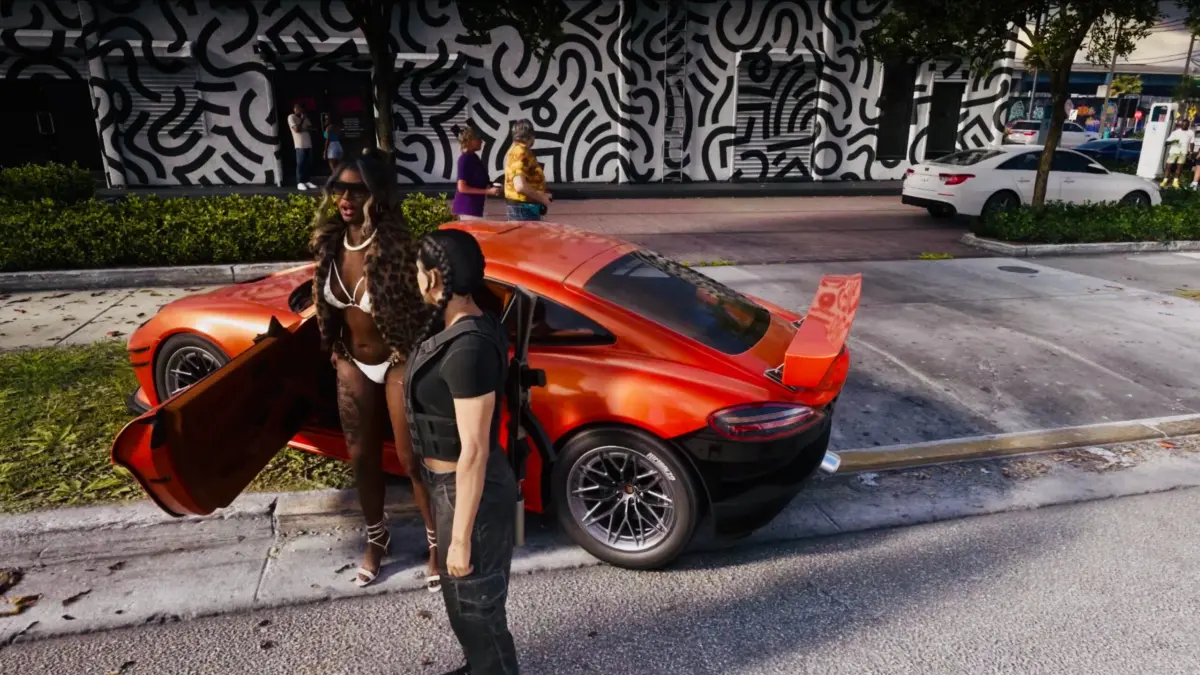
By Benjamin Kratsch

Grand Theft Auto 6 is a revolutionary interactive experience that redefines the boundaries of open-world game design. Built with an unprecedented budget and years of meticulous development time at Rockstar Games, the title transforms its virtual recreation of Miami and the surrounding fictional state of Leonida into a living, breathing ecosystem. From intricately detailed hotel interiors and thousands of lifelike non-player character (NPC) animations to dynamic weather systems that affect clothing and environments, the game sets a towering technical standard for the industry. While older console hardware noticeably strains under its immense demands, the title delivers an Oscar-worthy narrative anchored by memorable characters, pointing toward what many critics consider a definitive masterpiece.

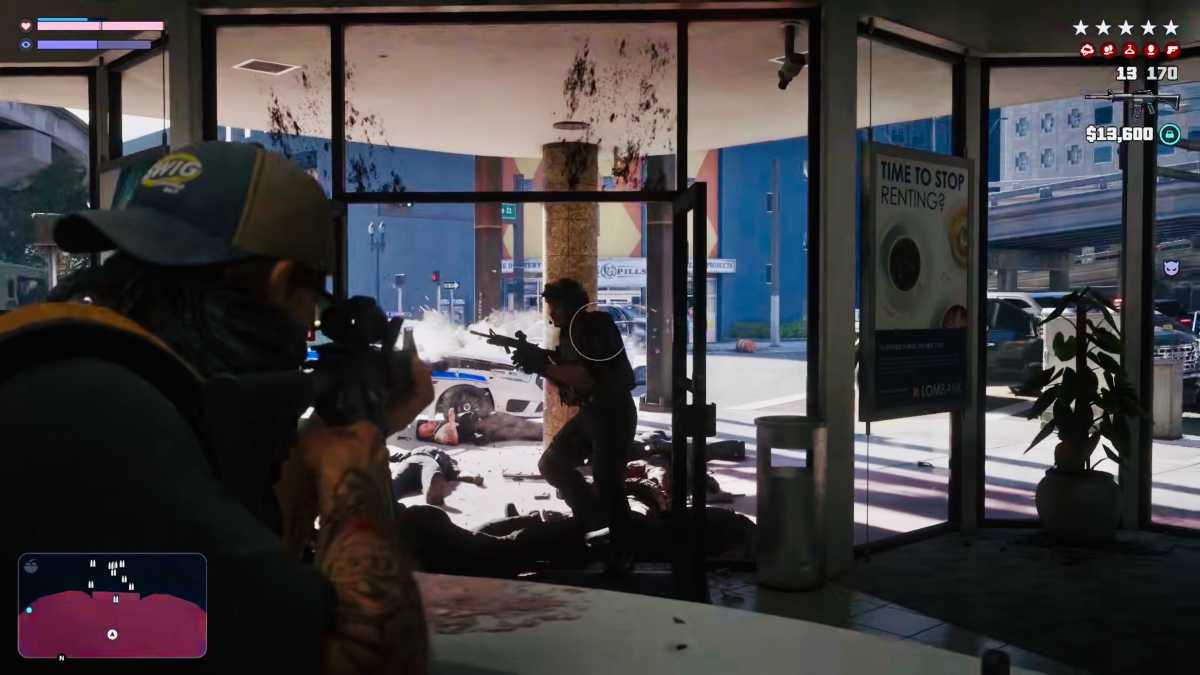
The scale of Rockstar’s vision becomes immediately apparent during high-stakes sequences, such as a chaotic bank heist in Lombank. Coordinating a complex escape plan involves detonating C4 charges to shatter bulletproof glass, triggering a domino effect of explosions that engulf parked vehicles and draw an aggressive response from armed security. In typical cinematic fashion reminiscent of Michael Mann’s film HEAT, the situation quickly escalates. Players must navigate through delivery entrances, interrogate employees for vault codes, and stuff cash into duffel bags before facing an overwhelming wave of law enforcement.

As the chaos unfolds, the game’s escalating wanted system demonstrates the staggering depth of its simulation. Reaching higher alert tiers brings in specialized tactical units, heavily armored vehicles, and eventually elite federal operatives. At the maximum six-star level, the United States military deploys wheeled armored vehicles and transport helicopters from air bases to suppress the threat. Surviving these intense encounters requires utilizing every tactical advantage, from commandeering armored cash-in-transit vans to fighting defensively from fortified interior positions.
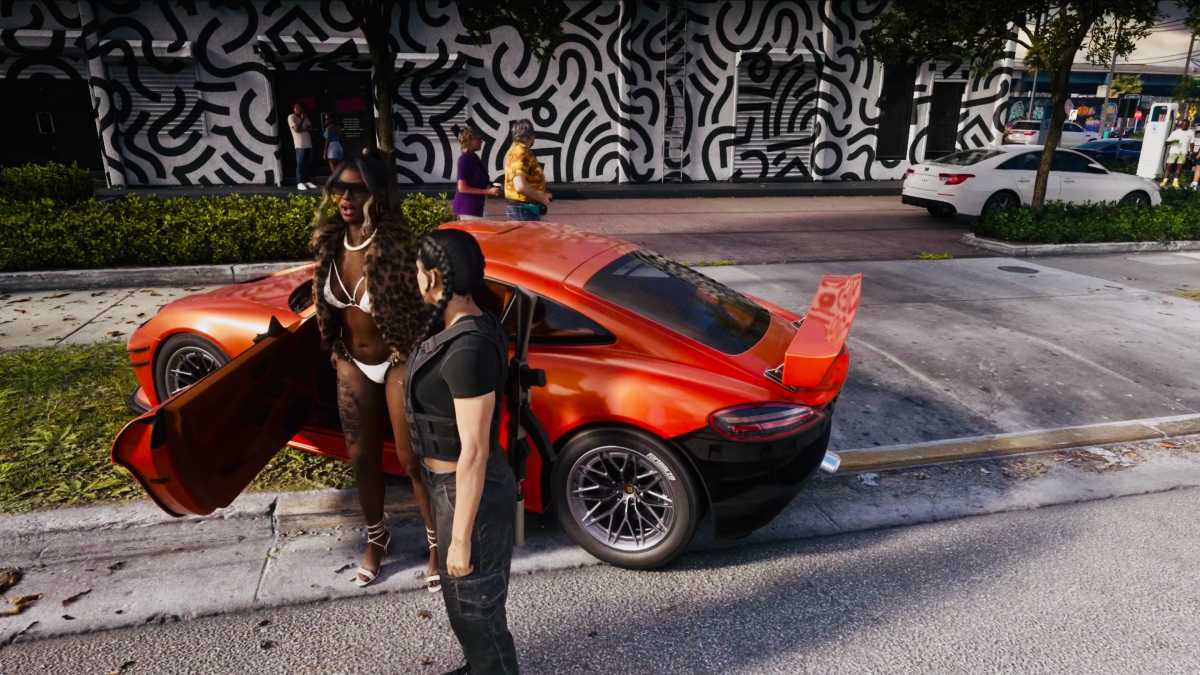
The Ultimate Open World
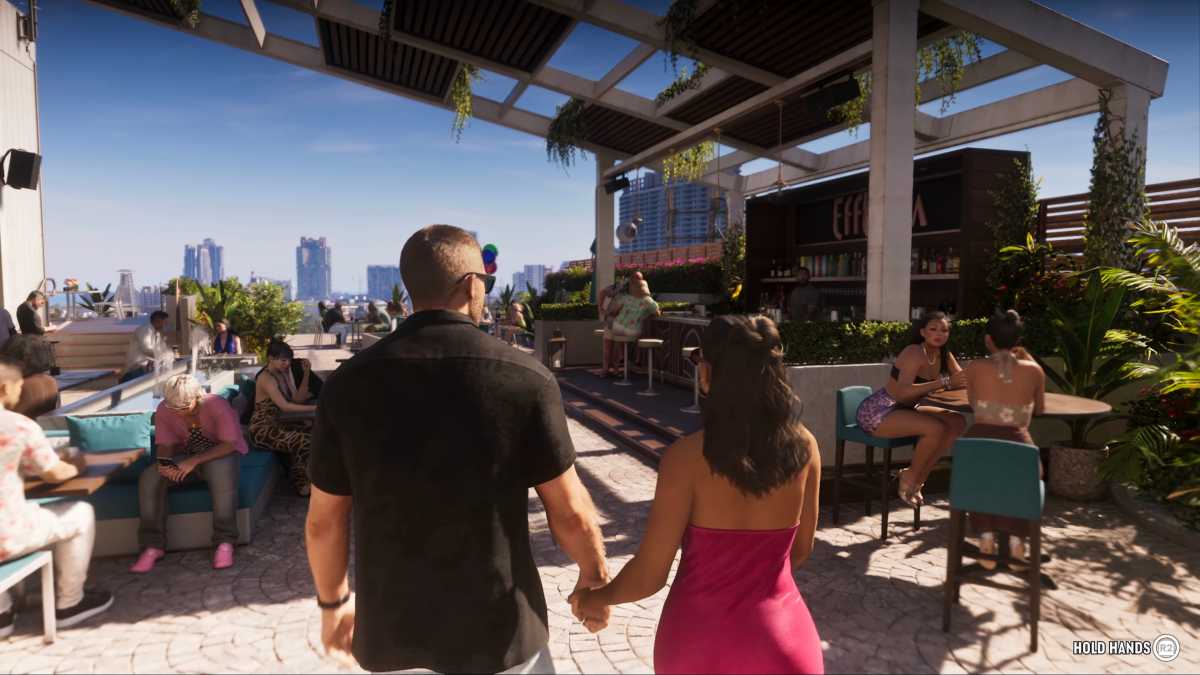
Rockstar’s Miami is not merely a backdrop for missions; it functions as a fully realized ecosystem. For the first time in a video game production of this scale, urban spaces operate with startling autonomy. Players can wander through five-star hotels, entering bustling restaurants where every table is occupied by patrons engaged in dynamic conversations. Kitchens operate with absolute precision, showcasing dozens of simulated chefs preparing elaborate meals while delivery trucks unload fresh ingredients into underground loading bays.
This obsessive attention to detail extends across the entire map. Players can explore expansive shopping centers featuring meticulously rendered clothing, luxury boutiques, and bustling arcades filled with realistic crowds. The game features over 120 unique bars, ranging from high-end lounges outfitted with white marble and mahogany to weathered dive bars characterized by scratched wooden tables and distinct clientele. Every location contributes to a dense, immersive atmosphere that encourages exploration far beyond the main narrative path.
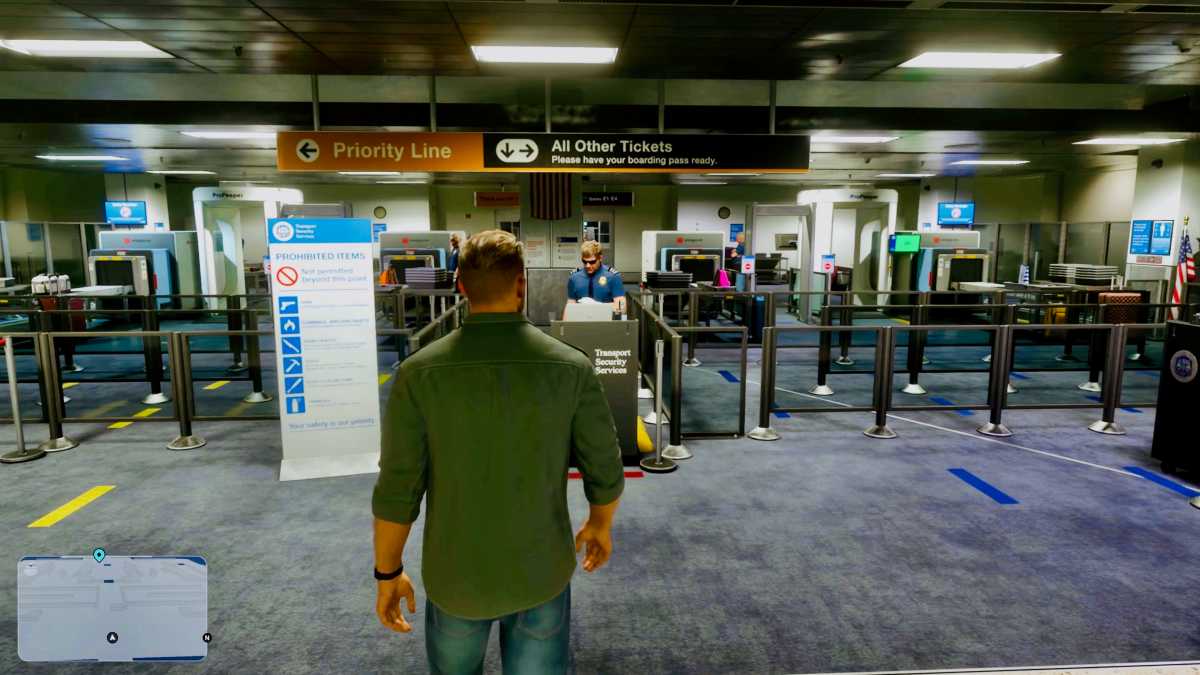
What a Billion Dollars Buys
Backed by an estimated budget of one billion U.S. dollars and thousands of developers, Rockstar Games implemented specialized micro-engines to govern environmental interactions. Characters emerging from the sea feature wet, animated hair that realistically sheds water, while sand clings to damp feet. A patented sweat engine calculates bead formation on characters’ skin during high-temperature scenarios, tracking fluid dynamics as perspiration runs down faces and clothing.

Destruction mechanics are equally robust. Firing weapons inside commercial spaces shatters glass bottles, causing liquids to spill dynamically, while stray projectiles tear through merchandise displays. Weather systems simulate wind resistance on a per-object basis, affecting outdoor restaurant chairs and patio umbrellas. Rain impacts NPCs differently depending on their attire, distinguishing between soaked cotton t-shirts, heavy wool sweaters, and leather jackets from which droplets naturally roll off. Long hair and animal fur react organically to environmental conditions, complete with drying periods under the virtual sun.

GTA 6 Is Crying Out for a PC Edition
While the game maintains a visually striking presentation on current-generation consoles such as the PlayStation 5, PlayStation 5 Pro, and Xbox Series X—leveraging advanced ray-traced global illumination and lighting effects—the hardware limitations are apparent. Rockstar relies on technical workarounds to maintain performance, such as rendering distant or passing vehicles with lower-resolution textures. During intense scenes featuring numerous police units and massive explosions, current consoles struggle to maintain a stable frame rate at higher resolutions.
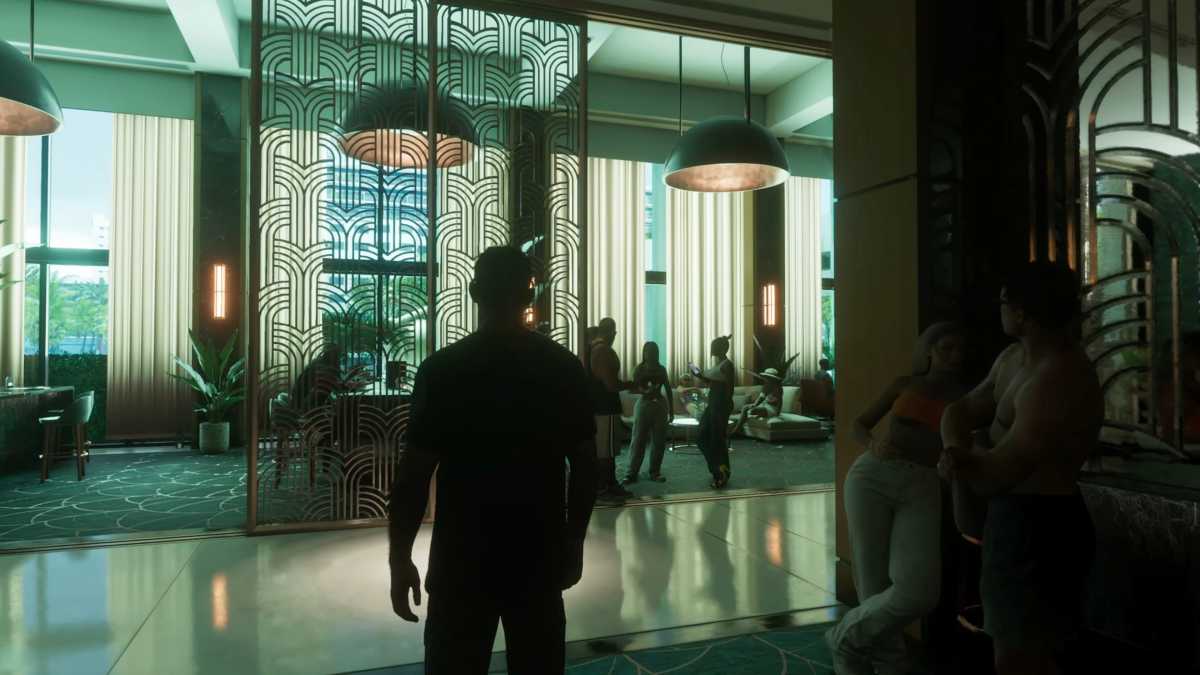
These performance bottlenecks highlight the immense technical ambition driving the project. Scenes featuring complex lighting and dense crowds showcase ray tracing at its finest, but the sheer density of the simulation clearly points toward the advantages of high-end PC hardware and future console generations. Industry reports suggest a PC release may follow in the future, offering players the opportunity to experience the title with uncompromised settings, higher frame rates, and native high-resolution assets.
Fast & Furious Meets Red Dead Redemption 2
In terms of storytelling depth and emotional resonance, GTA 6 leans closer to the mature narrative style of Red Dead Redemption 2 than the chaotic satire of Grand Theft Auto 5. Protagonists Jason and Lucia are grounded, complex characters embedded in an immersive crime drama. Their personal journey is supported by a memorable ensemble cast, shifting the tonal focus toward gritty, character-driven storytelling reminiscent of acclaimed television dramas and crime thrillers.

While the main campaign delivers a serious, high-stakes narrative spanning roughly seventy hours of gameplay—blending tension-filled military infiltrations with high-octane vehicular action—the signature humor and satire are channeled into expansive, brilliantly staged side quests. Players can expect a diverse blend of creative heists, emotional character moments, and massive set pieces that push the boundaries of modern open-world game design.