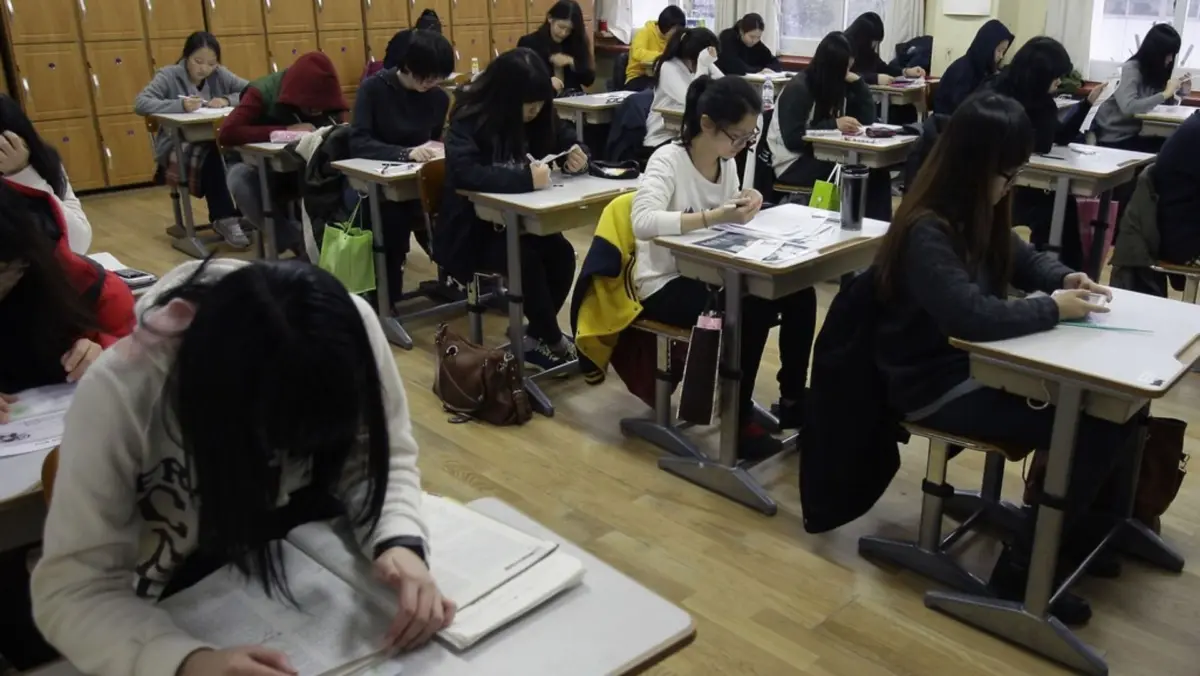
The College Scholastic Ability Test, widely known as Suneung, stands as one of South Korea’s most significant yearly events, shaping the academic and professional trajectories of hundreds of thousands of young people. The cultural and societal weight attached to the exam is so immense that the entire nation practically pauses and makes way for the test-takers on exam day. The logistical orchestration required to facilitate the test is monumental: local police actively clear congested roads and provide emergency escorts for late students to ensure they reach their testing centers before the gates close.
To provide an optimal environment for concentration and to prevent any unfair advantages or disruptions, strict acoustic and logistical regulations are enforced nationwide. Noisy construction projects and routine maintenance are temporarily suspended in the vicinity of schools. In an extraordinary display of national coordination, commercial aircraft are grounded or rerouted during the critical listening portion of the foreign language exam, military exercises are paused across the country, and even the national stock market opens an hour later than usual to ease traffic congestion. Furthermore, the government routinely requests that public institutions and private corporations allow their employees to start work later in the morning. This deliberate delay minimizes morning rush hour traffic, ensuring that the students can arrive at their designated testing locations safely and unimpeded by urban gridlock.
The implementation of emergency disaster alerts during this year’s Suneung marks a significant escalation in the ongoing technological arms race between proctors and resourceful cheaters. Traditional surveillance methods, such as metal detectors and visual checks by invigilators, have increasingly been challenged by the proliferation of miniature wireless hardware, micro-earpieces, and generative artificial intelligence tools capable of solving complex problems in real time. The urgency driving these heightened security measures stems directly from recent high-profile vulnerabilities exposed in other major national testing arenas. Most notably, the confession tied to the South Korean tax accountant exam—where a test-taker successfully smuggled in an AI-powered setup and a micro-camera—forced regulatory bodies to rethink their defensive postures.
By leveraging emergency infrastructure typically reserved for severe weather events, earthquakes, or national security threats, authorities effectively disrupted potential wireless communication channels and demonstrated a zero-tolerance policy toward technological academic dishonesty. While the vast majority of students arrive at the Suneung intent on earning their scores through years of dedicated study, the discovery of 111 total rule-breakers—with nearly half caught through the newly deployed alert-based tactics—underscores the persistent threat that modern gadgets pose to standardized testing. As examination boards continue to confront the rapid evolution of artificial intelligence and covert micro-devices, South Korea’s drastic measures illustrate the profound stakes involved in protecting the credibility of the nation’s educational system.