Proton, the privacy-focused technology company best known for its encrypted email service, virtual private networks, and secure cloud storage solutions, has officially launched its artificial intelligence assistant as a standalone computer application. Dubbed Lumo Desktop, the new software brings advanced AI capabilities directly to users’ operating systems, offering robust integration with local file systems and external cloud services while maintaining a strict adherence to user privacy and data security.
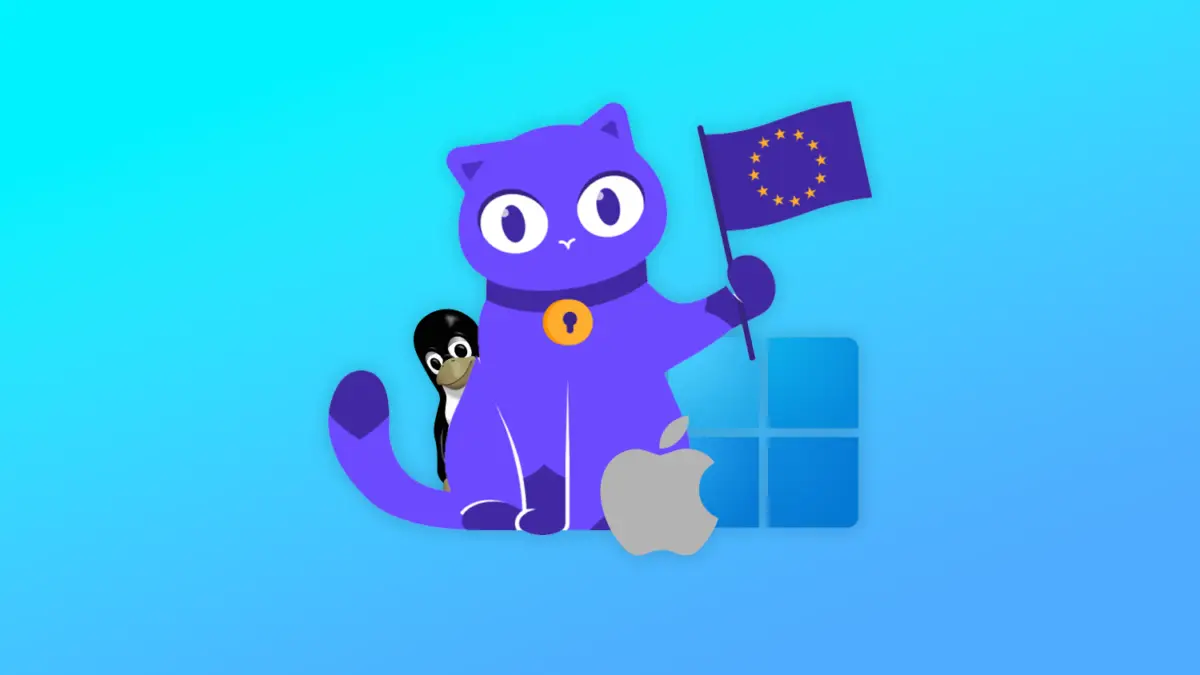
The launch marks a significant expansion for Proton as it enters the increasingly crowded personal AI assistant market. Unlike many mainstream AI tools developed by major technology conglomerates, Lumo Desktop is designed from the ground up to align with Proton’s core mission of zero-access encryption and rigorous data protection standards. Available now for Windows, Linux, and macOS, the application requires an active Proton account to get started and functions as a centralized hub for managing documents, automating routine workflows, and retrieving information from a variety of connected digital environments.
At its core, Lumo Desktop is engineered to serve as an intelligent search and retrieval engine for both local and cloud-based data. The application is capable of scanning and indexing documents stored directly on a user’s computer, allowing them to locate specific files, extract key details, and synthesize information using natural language prompts. Furthermore, the assistant can connect to external services such as Google Drive and Proton Mail, bridging the gap between local storage and cloud infrastructure to provide a unified search experience across a user’s entire digital footprint.

Through a feature called Connections, Lumo Desktop extends its utility beyond simple document
retrieval. The assistant can interact directly with local folders, execute system commands, and retrieve real-time content from the web to answer complex user queries. However, Proton has built the application with granular permission controls to ensure that users retain absolute authority over what the AI is allowed to do. Users can independently configure which actions Lumo is permitted to perform automatically, which require explicit human approval before execution, and which should be blocked entirely, mitigating the security and privacy risks often associated with autonomous AI agents.
In addition to search and system interaction, Proton has introduced advanced automation capabilities known as Schedules. This feature is designed to help users streamline recurring tasks that typically consume significant time and effort. With Schedules, individuals can set up automated routines—such as compiling weekly email summaries, regularly reviewing long-form documents, or gathering specific data updates at designated intervals—allowing the assistant to manage repetitive administrative chores in the background.
To give users even finer control over how the assistant operates, Proton has implemented a system called Skills. These function as reusable instructions that dictate the precise behavior and methodology Lumo should employ when carrying out specific tasks. By defining customized skills, users can tailor the AI’s responses and workflows to match their exact professional or personal requirements, ensuring consistent results across recurring projects without needing to repeatedly prompt the system with the same contextual instructions.

Crucially, Proton is leaning heavily into its reputation for privacy to differentiate Lumo Desktop from competing AI tools on the market. In an era where many artificial intelligence providers rely on user conversations and uploaded data to train and refine their underlying models, Proton has explicitly stated that neither chat interactions nor information retrieved from connected applications is ever used for AI training purposes. Additionally, the user’s chat history is protected by advanced encryption designed in such a way that even Proton itself cannot read the content of the conversations. This zero-access approach ensures that sensitive personal documents, internal work files, and private communications remain strictly confidential between the user and their device.
The release of Lumo Desktop underscores a broader industry trend toward desktop-integrated AI assistants that operate closer to the user’s hardware rather than remaining restricted to web browsers. By bringing these capabilities to Windows, Linux, and macOS simultaneously, Proton is ensuring that its user base across all major operating systems can benefit from the new technology without being forced to switch platforms.
Lumo Desktop is available to download now for users with a Proton account, signaling the company’s continued evolution from a provider of encrypted communications tools into a comprehensive ecosystem of privacy-first digital services.