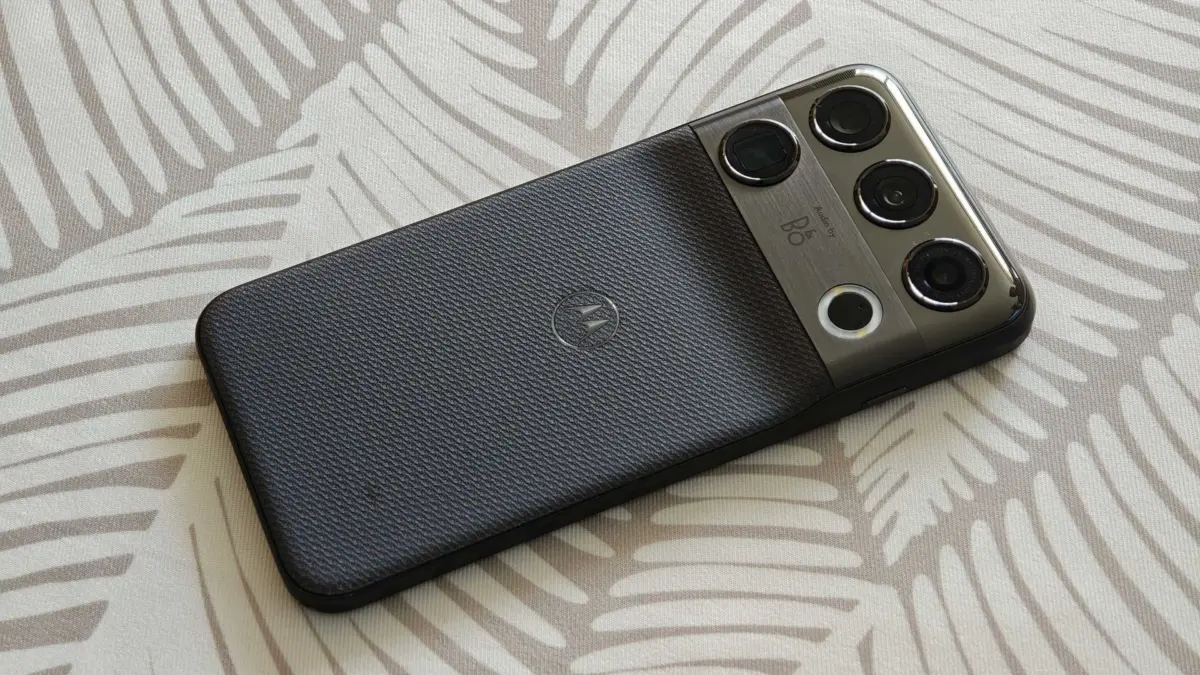
Motorola’s aggressive push into the ultra-premium smartphone market with the launch of the Signature 27 has captured the attention of mobile enthusiasts worldwide. Positioned as a true heavyweight designed to compete at the very top of the industry, the device boasts a formidable spec sheet targeting display quality, camera performance, processing power, and longevity. However, regional regulatory hurdles mean that consumers in certain markets will not experience the device at its absolute maximum technical capacity, particularly when it comes to battery life.
According to reports initially highlighted by industry publications and later confirmed by the manufacturer, the Motorola Signature 27 will undergo a significant battery downgrade in specific overseas markets. While global marketing materials and initial announcements touted a massive 7,000mAh power cell designed to push endurance limits, buyers in Germany will find a notably smaller capacity housed inside the chassis. A Motorola spokesperson clarified the discrepancy, confirming that the German variant of the flagship smartphone will feature a 5,500mAh battery instead of the anticipated 7,000mAh cell.
This sudden reduction translates to a sharp 1,500mAh drop in capacity. When translated into real-world endurance estimates, the adjustment represents a substantial loss in potential screen-on time and standby longevity. Industry estimates suggest the hardware alteration trims roughly 17 hours of cumulative battery life from the device, shifting projected endurance benchmarks from approximately 77 hours down to roughly 61 hours under standardized testing conditions.
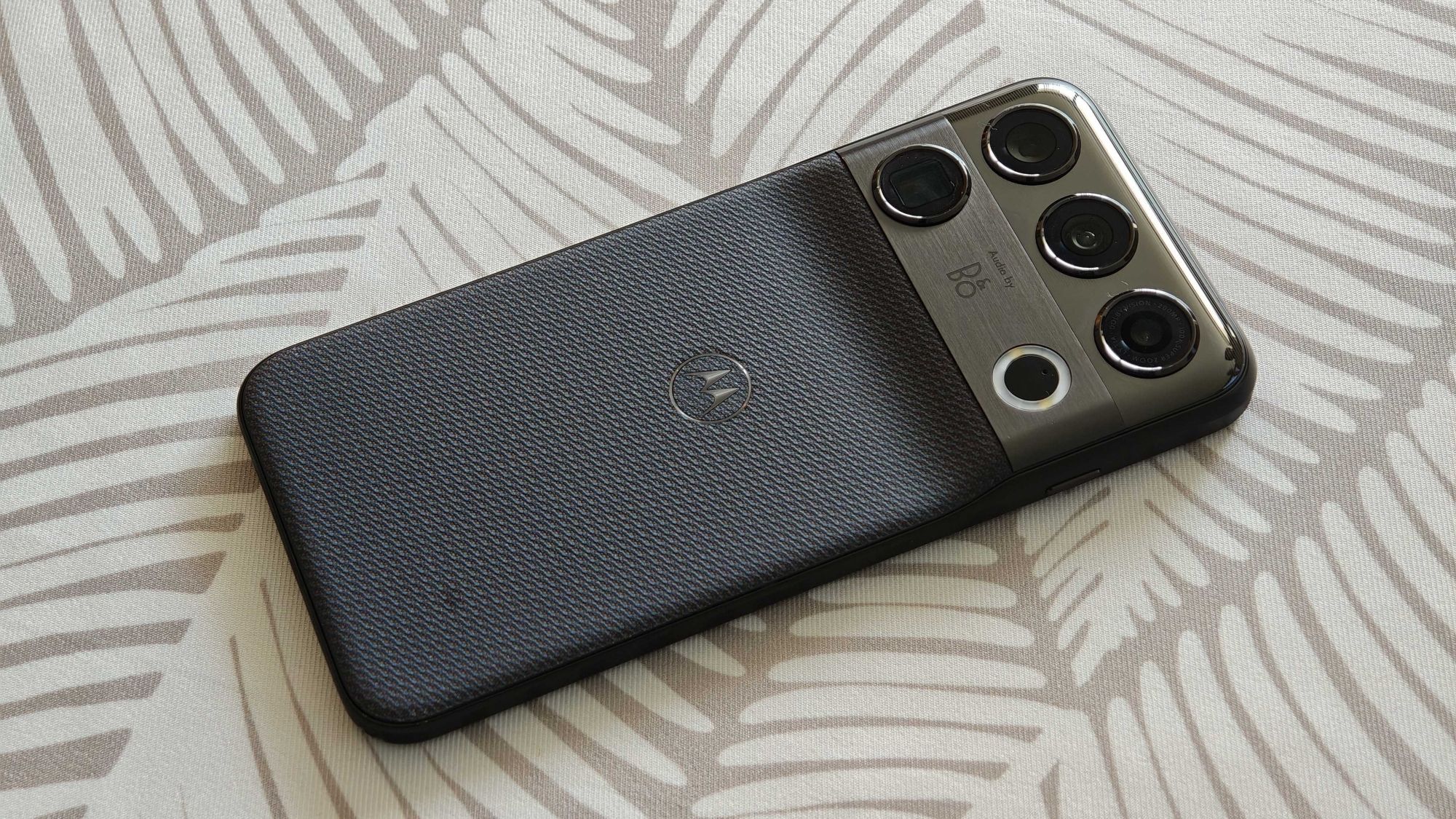
Taking a Hit
The decision to scale back the power capacity has raised questions among prospective buyers, particularly given the initial global marketing push. Early specifications circulated online and in marketing rollouts also sparked brief confusion in the United Kingdom, where listings temporarily pointed toward the smaller 5,500mAh configuration before being updated to reflect the higher global figure. At present, it remains to be seen whether other European markets might face similar localized adjustments or if the regulatory hurdle is strictly isolated.
When pressed for an explanation regarding the discrepancy, Motorola maintained that the alteration was entirely outside of its control. In a statement provided to industry media, company representatives explained that the engineering team was forced to reduce the physical battery capacity in order to strictly comply with local regulatory requirements governing lithium batteries within the region. While frustrating for consumers seeking maximum hardware specifications, the adjustment highlights the complex logistical and legal challenges manufacturers face when trying to distribute high-capacity mobile hardware across international borders with varying compliance frameworks.
Despite the reduction in battery capacity, the rest of the Signature 27’s high-end hardware suite remains largely untouched by regional compliance laws. During its official global unveiling, the smartphone drew widespread praise for its cutting-edge display technology, anchored by an exceptionally bright 6.8-inch Extreme AMOLED Duo panel capable of reaching a remarkable 12,000 nits of peak brightness. Furthermore, Motorola made good on its promise to deliver top-tier processing power by integrating Qualcomm’s Snapdragon 8 Elite Extreme Gen 6 System-on-Chip, marking a significant milestone as the first time the brand has incorporated this specific silicon tier into its portfolio.
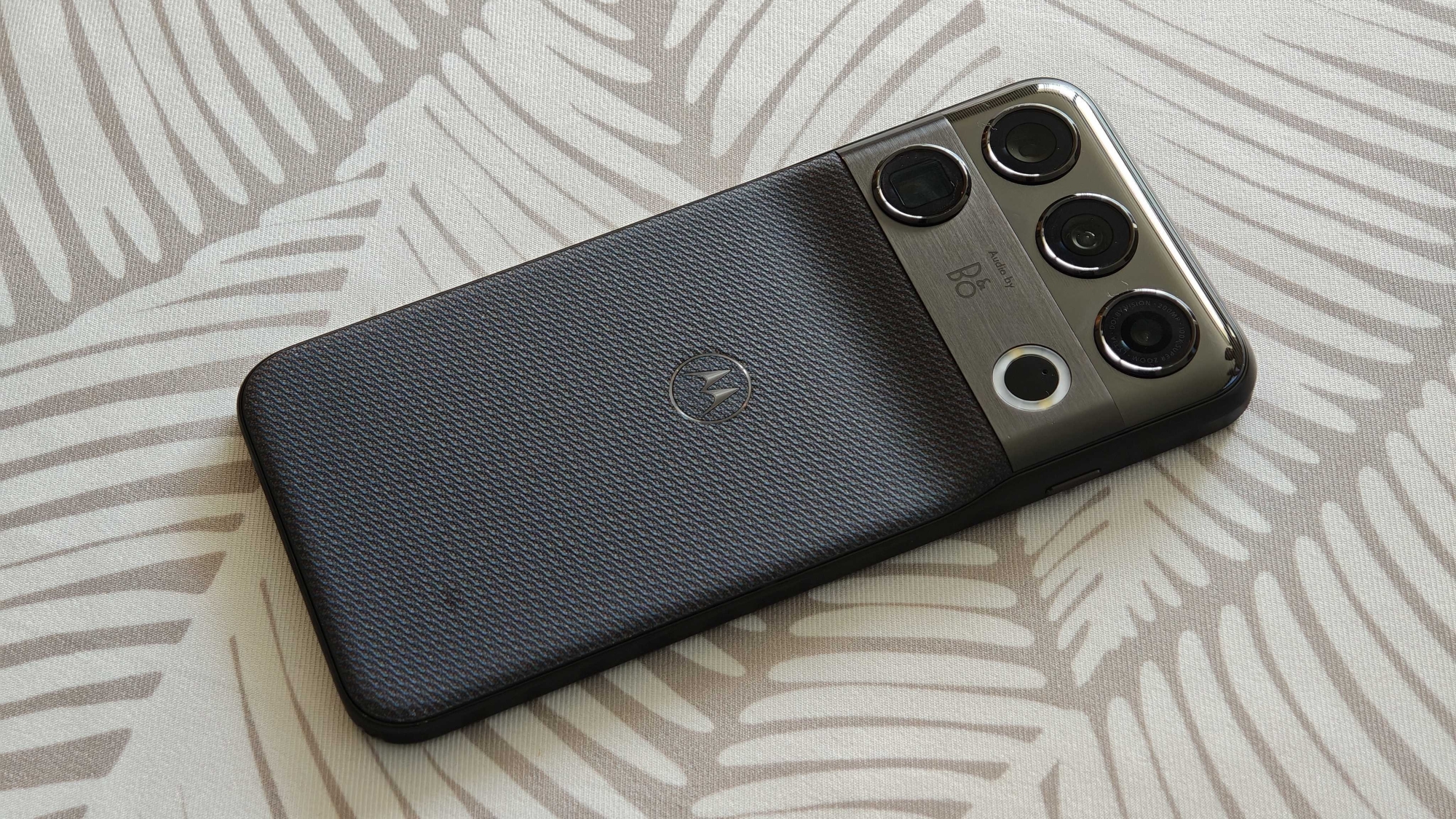
For mobile gamers and power users who intend to push the hardware to its limits, Motorola also implemented advanced thermal management solutions. The device features an upgraded ArcticMesh cooling system, boasting a surface area increase of roughly 40 percent compared to previous generations. This architectural enhancement is specifically engineered to dissipate heat more efficiently, keeping internal temperatures lower and preventing thermal throttling during extended gaming sessions or intensive productivity workflows.
Android Central’s Take
The core question facing prospective buyers is whether a reduction from 7,000mAh to 5,500mAh fundamentally alters the appeal of an otherwise ultra-premium device. When evaluating modern flagship standards, industry context provides an interesting perspective. Competitors such as Samsung, with its long-running Ultra smartphone lineage, have comfortably relied on a smaller 5,000mAh battery cell across multiple generations while maintaining a commanding presence in the ultra-premium price category.
While Motorola’s enforced reduction clearly diminishes the record-setting endurance that the 7,000mAh cell would have provided, the resulting 5,500mAh capacity still outpaces several competing flagship devices currently dominating the market. Even with the regional compromise, the Signature 27 retains its core identity as a performance-driven powerhouse, though German consumers will have to weigh the regulatory-mandated battery trim against the otherwise uncompromised display, processing, and thermal capabilities of Motorola’s latest flagship venture.