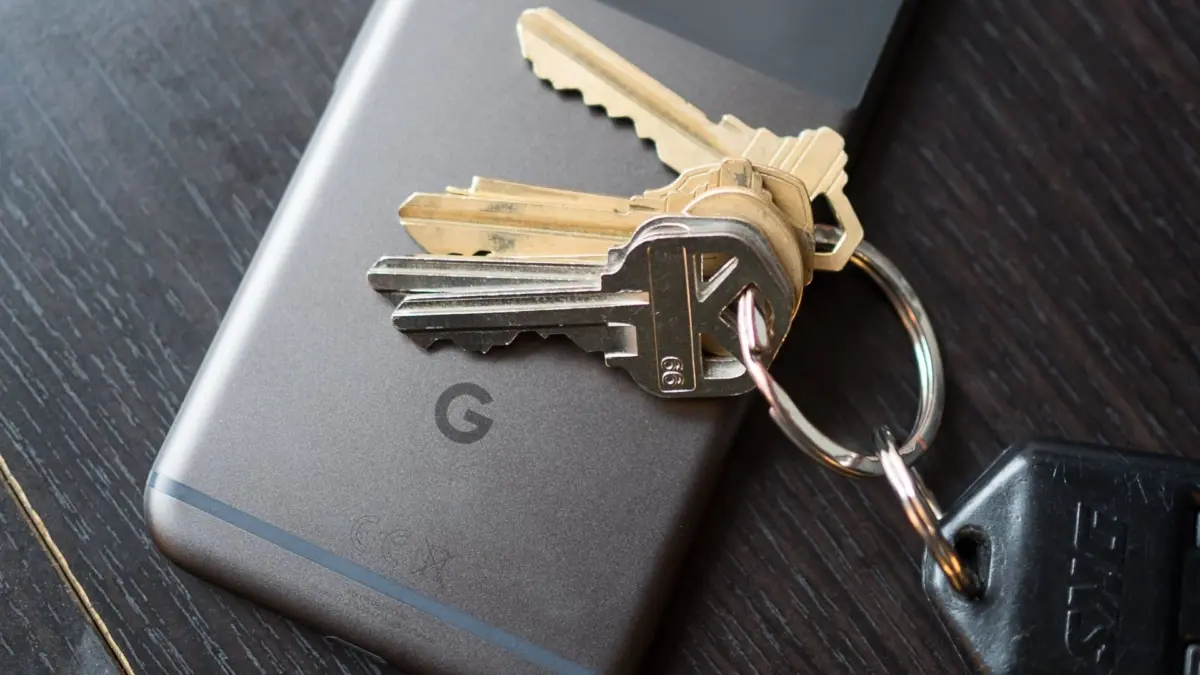
The forthcoming feature bridges the gap between the Google Home app and Google Wallet, enabling owners of compatible smart locks to bypass traditional physical keys entirely. Rather than fumbling through pockets or searching bags for metal keys, users will soon be able to unlock their front doors with a simple tap of their smartphone against an NFC-enabled smart lock reader. Alternatively, homeowners can configure their systems to unlock automatically as they approach the entryway, introducing a frictionless level of convenience to everyday residential access.
This advanced automated unlocking capability relies heavily on the Aliro Ultra-Wideband (UWB) open access standard. Maintained primarily by the Connectivity Standards Alliance, the Aliro standard was developed in part by Google alongside other industry heavyweights to establish a secure, interoperable foundation for smart access control across different brands and ecosystems. By leveraging UWB technology, compatible devices can communicate spatial awareness and precise proximity data with smart locks, ensuring that doors open only when authorized users are physically present and approaching the entrance.
A standout aspect of Google’s implementation is its centralized architecture. According to official Google support documentation, users will not need to configure or link each individual smart lock in their home separately. Instead, the digital key is tied directly to the user’s broader Google Home ecosystem rather than being anchored to a single piece of hardware. This means that a single digital key can seamlessly grant access across all compatible smart locks installed throughout a property, streamlining the management of residential security.
Furthermore, Google has built robust redundancy and accessibility features into the rollout to alleviate common anxieties associated with digital-only access. The digital home key automatically syncs across all compatible Android phones tied to the user’s account. This cross-device synchronization ensures that if a primary phone is misplaced, runs out of battery, or is left behind, the user can still access their home using any other authorized secondary Android device they own, effectively eliminating the risk of being permanently locked out due to a single device failure.
Household management has also been taken into consideration. Family members and trusted individuals living in the same residence who utilize the Google Home app will have the capability to add the digital home key to their own personal Google Wallets. This allows multiple household members to maintain independent, secure access to the property without requiring physical key duplication or the sharing of master credentials.
The feature is currently making its way into the hands of early adopters through the Public Preview program for the Google Home app. Following this testing phase, Google plans to roll out the functionality to a broader audience of users in the coming weeks.
To take advantage of the new digital home key feature when it becomes widely available, users will need to meet specific technical requirements. Beyond having the necessary smart home hardware—which includes a Matter-certified smart lock with Aliro support and a Matter-enabled Google hub device—smartphones must be running Android 9 or a newer version of the operating system. At present, Wear OS smartwatches are not supported for this functionality, though industry observers anticipate that wrist-based access support may be introduced in future updates as the ecosystem matures.