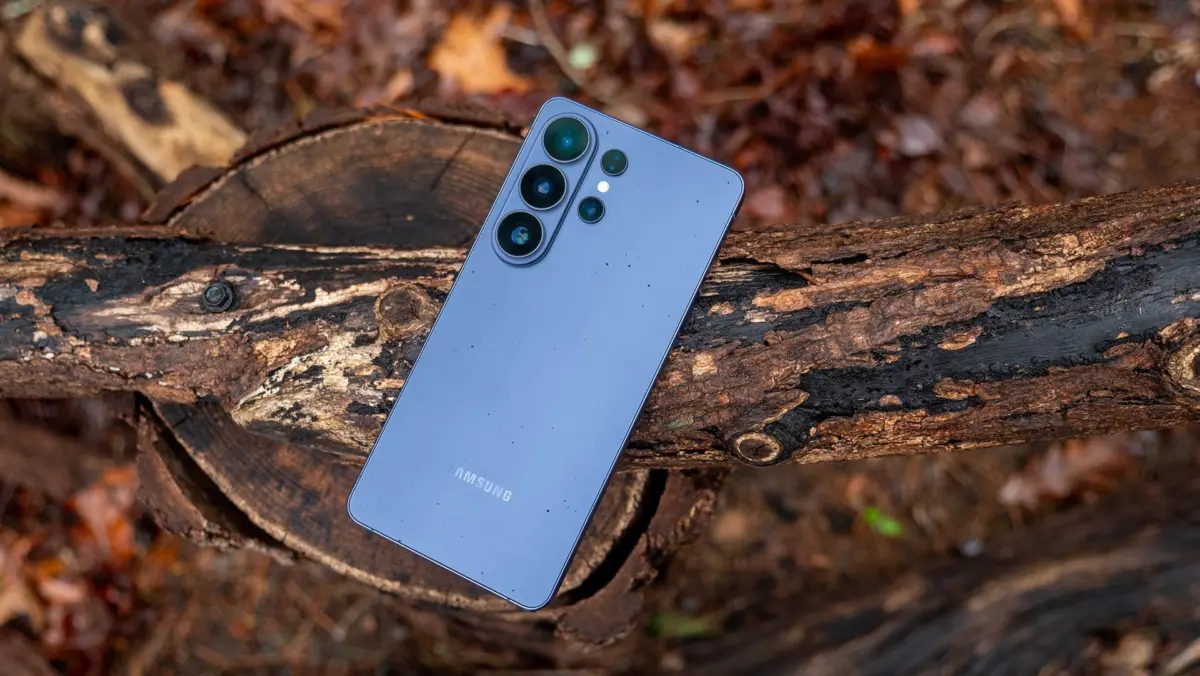
Samsung is preparing to reshape its flagship smartphone strategy for early 2027, with fresh industry reports indicating that the technology giant is placing an unprecedented emphasis on its premium offerings. As leaks regarding the upcoming Galaxy S27 series continue to mount, internal supply chain and production targets suggest that Samsung expects its highest-end devices to drive the vast majority of sales, marking a distinct shift in how the company plans to segment its marquee mobile portfolio.
Unlike previous product cycles that typically relied on a three-tier flagship lineup, current industry intelligence points toward a more diversified four-model strategy for the Galaxy S27 series. Alongside the traditional standard Galaxy S27 and the larger Galaxy S27 Plus, Samsung is reportedly introducing a brand-new Galaxy S27 Pro model, which will sit alongside the top-tier Galaxy S27 Ultra. This expansion is designed to capture a wider swath of premium consumers by offering near-Ultra specifications at a slightly more accessible price point, effectively bridging the gap between the traditional Plus variant and the maxed-out Ultra powerhouse.
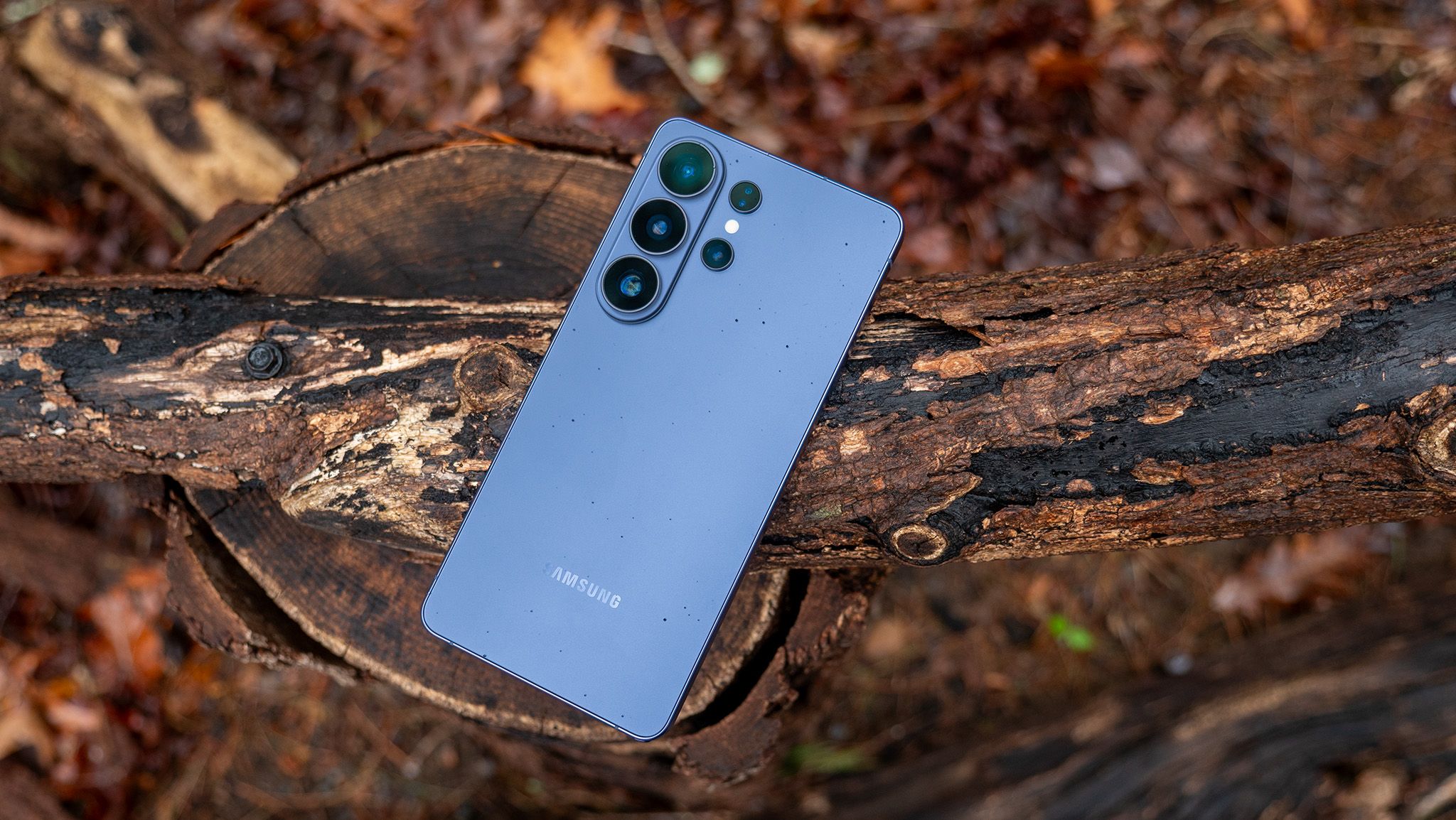
Recent reports originating from industry trackers in South Korea outline aggressive production expectations for these upcoming devices. According to data attributed to ET News, Samsung has laid out a total production target of approximately 35 million units across the entire Galaxy S27 lineup. More notably, the company is reportedly planning to allocate more than 70 percent of this massive manufacturing volume specifically to its two most expensive variants: the Galaxy S27 Pro and the Galaxy S27 Ultra.
The crown jewel of the production run remains the Galaxy S27 Ultra, which alone accounts for roughly 18 million targeted units. This figure mirrors the production scale of the preceding Galaxy S26 Ultra, demonstrating that Samsung maintains supreme confidence in the enduring appeal of its absolute top-tier device. Meanwhile, the newly minted Galaxy S27 Pro is expected to see a robust initial production run of 7 to 8 million units. Combined, the Pro and Ultra models are projected to account for 25 to 26 million manufactured units.
This heavy concentration of resources on the upper tier leaves a comparatively modest footprint for the entry-level devices in the family. The standard Galaxy S27 and the Galaxy S27 Plus are collectively slated to account for just 9 to 10 million units of the total production volume. By comparison, during the Galaxy S26 generation, the Ultra model alone accounted for roughly half of the entire series’ production. While the sheer volume for the Ultra remains steady, the introduction of the S27 Pro signals a calculated strategic pivot. Samsung is clearly anticipating that a significant portion of consumers who might have previously settled for the standard or Plus variants will be drawn upward to the feature-rich Pro model.
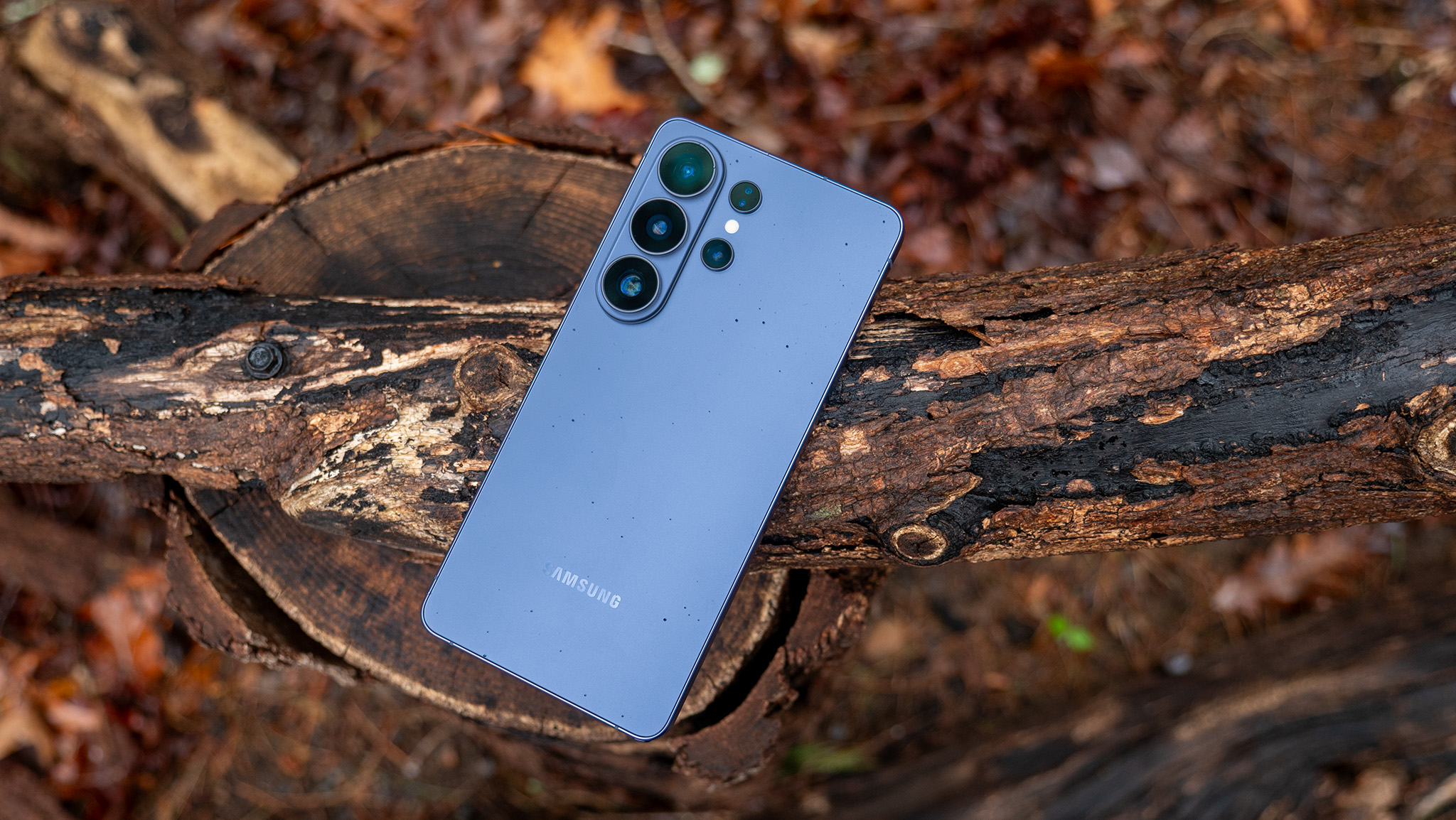
Industry observers have pieced together a preliminary picture of what the Galaxy S27 Pro will bring to the table. Positioned squarely between the Galaxy S27 Plus and the Galaxy S27 Ultra, the Pro model is rumored to adopt a more compact form factor while retaining several signature capabilities historically reserved for the Ultra series. Among these anticipated carryover features is Samsung’s advanced Privacy Display technology, which debuted on earlier flagship iterations to curb prying eyes in public spaces. However, one notable distinction remains: unlike the Ultra, the Pro model is reportedly not slated to come equipped with a built-in S Pen stylus, allowing Samsung to maintain a slimmer profile and a distinct functional boundary between the two premium offerings.
While these production plans offer a fascinating glimpse into Samsung’s internal forecasts, industry analysts note that these figures remain subject to change. Smartphone supply chains are notoriously dynamic, and consumer demand trends between now and the official commercial launch in early 2027 could prompt adjustments from corporate headquarters in Suwon. Nevertheless, the overarching emphasis on high-end hardware aligns seamlessly with Samsung’s broader market performance over recent product cycles.
In recent quarters, Samsung’s aggressive focus on higher-tier Galaxy smartphones has yielded positive financial dividends and strong consumer retention. The company’s foldable ecosystem, highlighted by the strong commercial performance of devices like the Galaxy Z Fold 8, has demonstrated robust resilience and competitive traction against rival offerings in the global market, including Apple’s competing handset lines. Whether the introduction of the Galaxy S27 Pro can replicate this success by convincing mainstream buyers to step up to a higher price bracket will become clear when the lineup officially debuts next year.