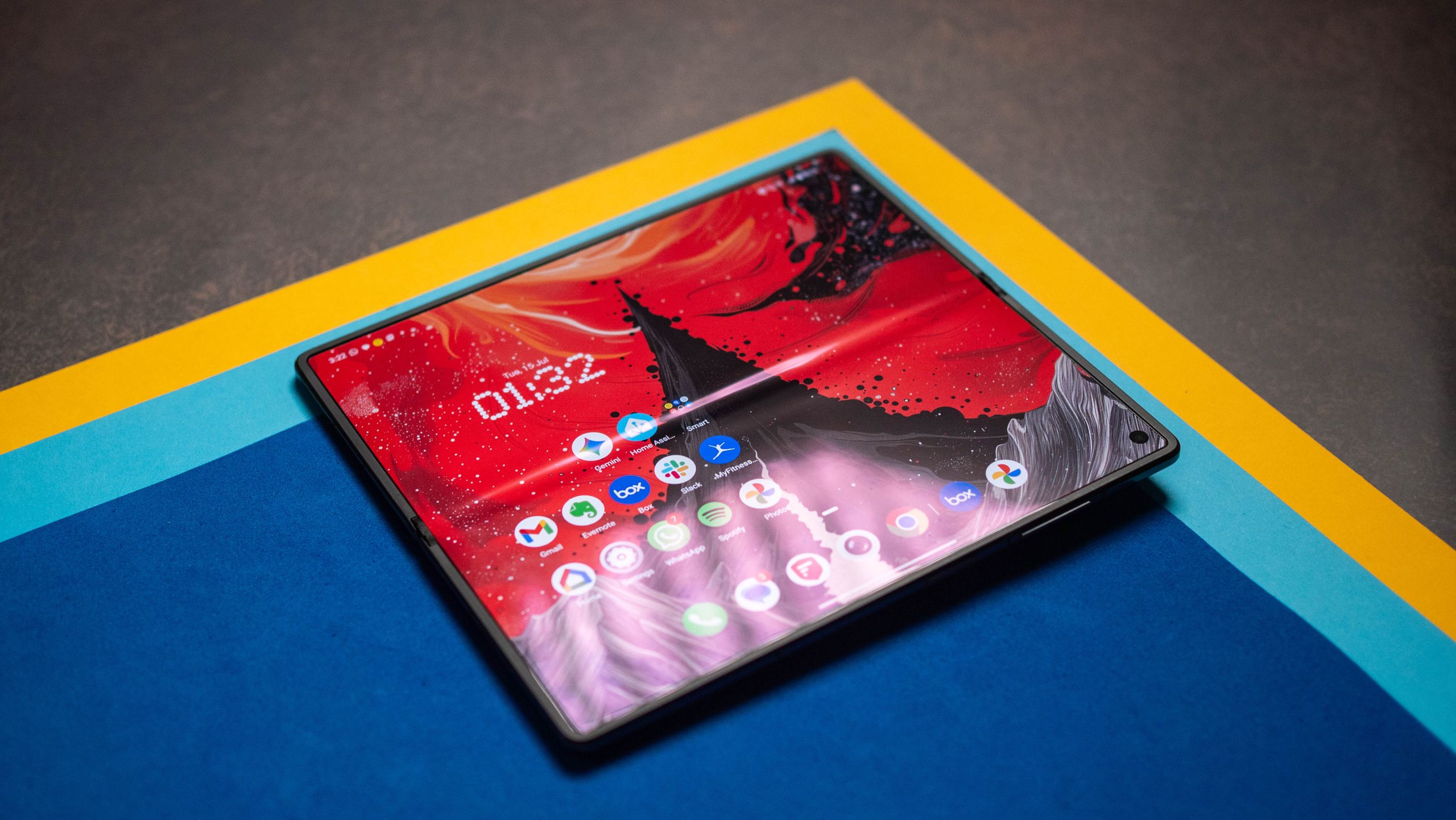
Whispers and leaks from the mobile tech supply chain have reignited discussions surrounding the future of wide-format foldable smartphones. This time, the spotlight falls squarely on Vivo, a brand known for pushing boundaries in the foldable market with devices like the Vivo X Fold series. According to recent reports originating from the Chinese social media platform Weibo, the company is actively pursuing the development of a brand-new "wide fold" smartphone concept that could differentiate itself from competitors by bucking the current industry trend of supersizing screens.
The latest wave of speculation was set in motion by the prominent and often reliable industry tipster Digital Chat Station (DCS). Posting via Weibo, DCS revealed that Vivo has continued development on a wide-format foldable device, with an eye toward a commercial release in 2027. What makes this upcoming device particularly intriguing is its rumored physical footprint. While rival manufacturers are racing to build expansive internal canvases, DCS claims that Vivo’s interpretation of the wide fold could lean toward the smaller side, potentially debuting with an internal screen measuring under 6.5 inches.
To understand how unconventional this approach is, one only has to look at the current market landscape. Devices such as Samsung’s Galaxy Z Fold 8, which has continued to capture consumer interest and gain widespread popularity following its introduction, feature a sprawling 7.6-inch inner screen. Similarly, high-profile contemporaries like the iPhone Duo also utilize a spacious 7.6-inch display matrix. By choosing to develop a form factor with a sub-6.5-inch inner screen, Vivo is charting a distinctly compact course in a hardware segment that has otherwise prioritized maximum screen estate for multitasking and media consumption.
Despite the divergence in screen size, early development appears to be progressing steadily. When interacting with followers on Weibo, DCS noted that a majority of the hardware components for the device have already been finalized. Furthermore, initial reactions from tech enthusiasts and regular consumers on social media suggest that the prospect of a smaller wide foldable has not deterred interest. Many observers argue that if Vivo packs the device with its signature high-tier internal components, cutting-edge processors, and premium build quality, the compact footprint could actually serve as a major selling point for users who find current foldables too bulky or unwieldy.
An Assortment of Rumors and Industry Context
The chatter surrounding Vivo’s compact wide fold arrives amid a broader flurry of rumors concerning the next generation of foldable smartphones. Ever since Samsung’s wide-format approach captured the imagination of the market and forced competitors to rethink their hardware strategies, supply chain insiders have reported a scramble among major Chinese OEMs to develop rival products. Initial reports suggested that both Vivo and Honor began exploring wide-folding form factors specifically to counter Samsung’s dominance in the global and domestic folding categories.
While earlier speculation occasionally linked these exploratory designs to speculative iterations like a hypothetical "X Fold 6," the reality of product naming and development cycles points further down the road, culminating in the newly rumored 2027 launch window. What makes Vivo’s rumored strategy stand out is that it appears to be standing entirely alone in its pursuit of a smaller wide foldable form factor.
In contrast, leaked details regarding Vivo’s competitors point toward much larger dimensions. Rumors surrounding Honor’s alleged wide foldable competitor indicate that the brand is leaning heavily into traditional proportions, reportedly planning a 7.6-inch internal display paired with a 5.5-inch cover screen and a massive battery capacity slated for 7,000mAh or higher. Similarly, supply chain leaks concerning OPPO suggest that it also has a wide foldable in the works, boasting a 7.6-inch internal display, a 5.5-inch cover screen, and processing power driven by Qualcomm’s Snapdragon 8 Elite Gen 6 architecture. Industry watchers currently anticipate that OPPO could look to debut its commercial take on the wide fold as early as the first quarter of 2027.
This competitive landscape highlights a fascinating design dichotomy for the coming years. While companies like Honor and OPPO are doubling down on expansive displays and large physical footprints to match or exceed the standard set by market leaders, Vivo appears willing to carve out a niche for consumers who prefer pocket-friendly dimensions without sacrificing the utility of a folding screen. Whether this compact approach will resonate with a broader global audience or remain a specialized regional offering will likely depend on how well the company balances screen real estate with battery life, ergonomics, and thermal performance.
As development continues and component finalization moves forward, more concrete details regarding Vivo’s 2027 foldable strategy are expected to leak from the supply chain. For now, the prospect of a smaller, more manageable wide foldable has injected a fresh dose of intrigue into an evolving hardware market that continues to redefine mobile computing.