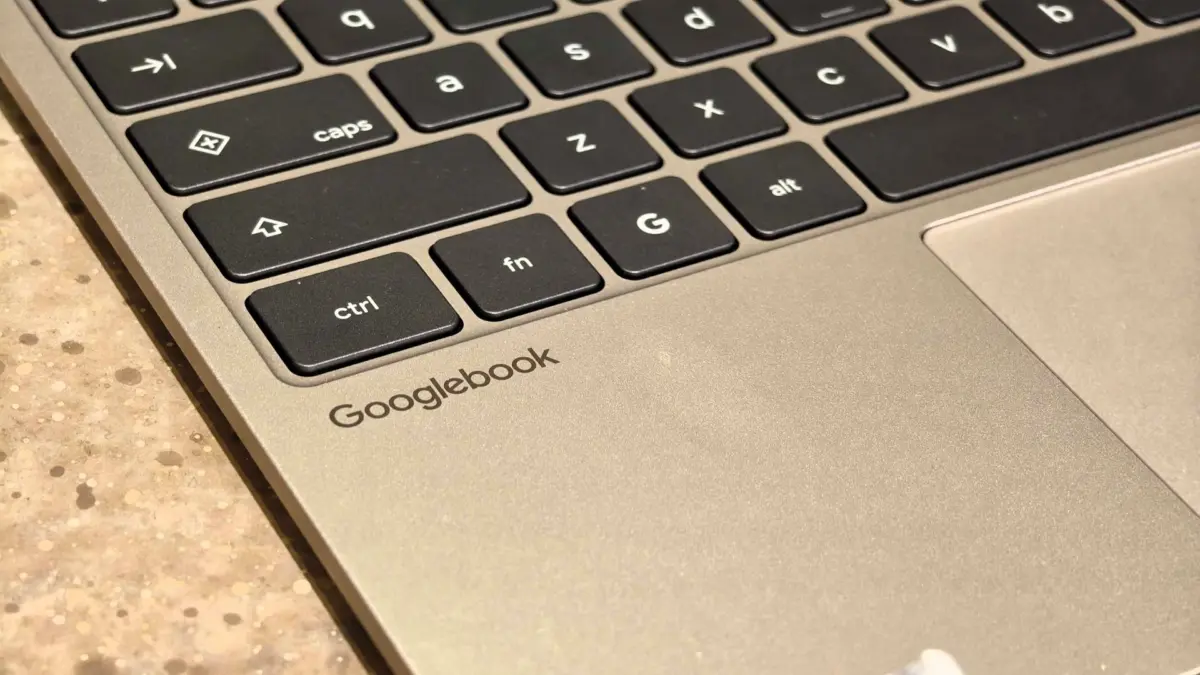
Google has officially begun rolling out its comprehensive November system update for the Googlebook platform, bringing a wide array of much-needed performance enhancements, bug fixes, and critical security patches. Designed to address early user frustrations and streamline the overall user experience, the latest software release focuses heavily on optimizing on-device artificial intelligence processes, improving hardware compatibility, and stabilizing multitasking performance across the ecosystem.
The most substantial change included in the November update addresses how Googlebook manages system memory for its native on-device AI features. By updating the neural processing unit (NPU) driver and significantly optimizing AICore memory management, Google has managed to free up an impressive 3GB to 6GB of system RAM. According to details shared by Google’s Mishaal Rahman in a community forum post, this memory recovery provides a vital performance boost, particularly for laptops configured with 16GB of RAM. Users who frequently jump between heavy web applications, productivity software, and multiple browser tabs should notice a marked reduction in system stutter and resource bottlenecking.
In tandem with the AI memory adjustments, the Chrome browser is also slated to behave much more reliably under heavy workloads. The update refines the underlying mechanisms the operating system uses to reclaim memory when background artificial intelligence tasks conflict with active browser processes. This adjustment successfully minimizes the occurrence of unexpected tab reloads and sudden application crashes. While critics and early adopters have noted that these memory and stability optimizations arguably should have been implemented prior to the initial launch of the Googlebook hardware line, the deployment of these fixes is widely seen as a welcome and necessary step forward.
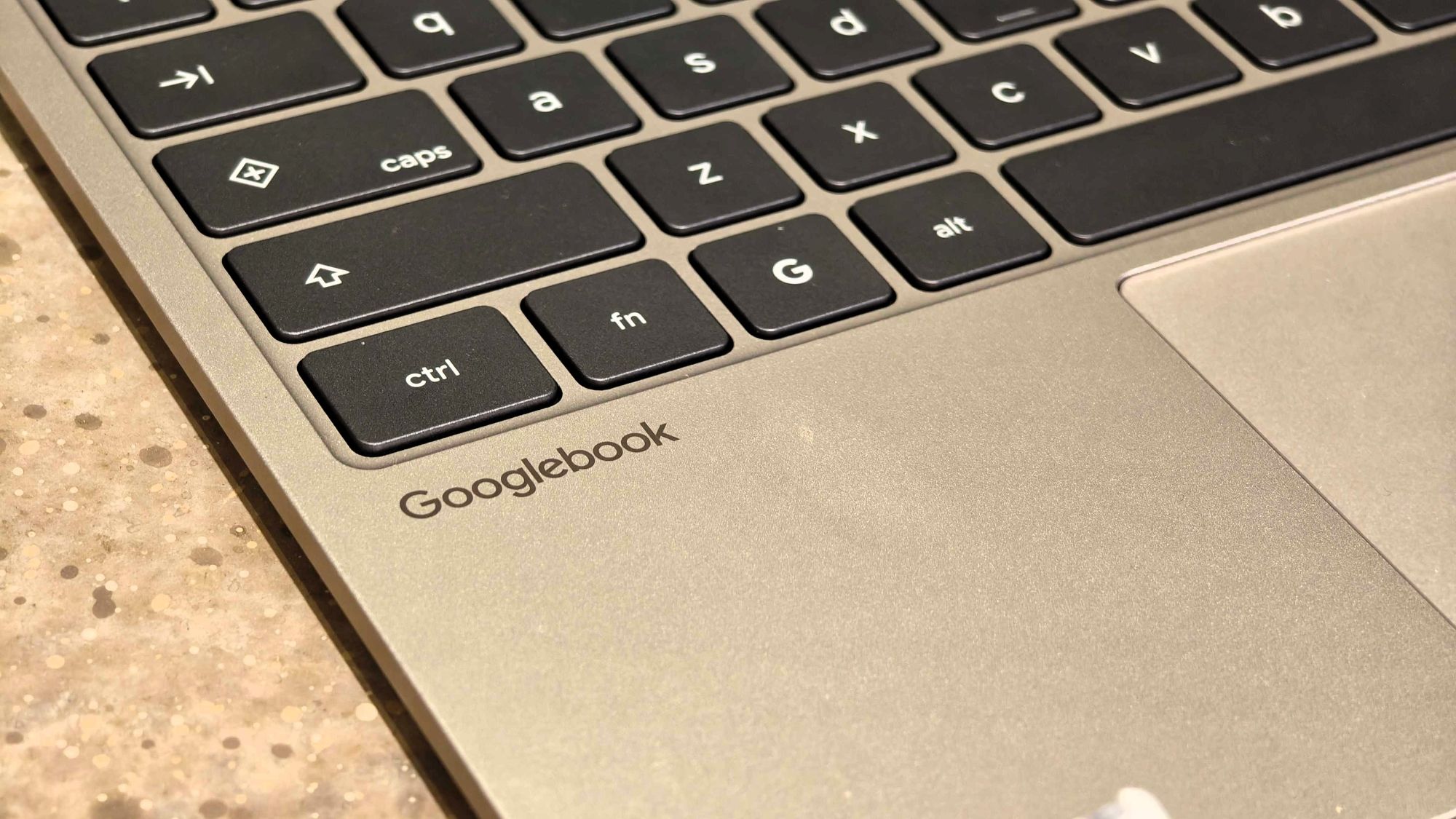
Beyond internal memory management, the November release tackles a diverse selection of hardware and software bugs reported since the platform’s debut. For instance, convertible laptop models that transition between traditional clamshell and tablet orientations will no longer experience frustrating dropouts where the physical keyboard and touchpad become completely unresponsive. Furthermore, common software conflicts have been resolved, including persistent crashes within Zoom when users attempt to utilize simulated background effects, digital filters, video blur, and 3D avatars.
External display support has likewise received significant attention. Users connecting their devices to external monitors should now find that Digital Rights Management (DRM) protected streaming content, such as subscription video services like Netflix, plays properly instead of defaulting to a frustrating black screen. Audio hardware compatibility has also been improved, ensuring that USB microphones and multichannel audio interfaces function seamlessly out of the box. Additionally, Bluetooth connectivity has been tuned to reduce audiovisual synchronization delays and improve connection reliability for wireless mice and other peripherals.
Linux users and security get some love, too
Developers and power users who rely on the platform for coding and advanced technical workflows will find plenty of improvements tailored specifically to their needs. The Linux Terminal beta environment receives a substantial batch of fixes designed to ensure more reliable shell sessions following a device sleep cycle, improved SSH port forwarding capabilities, and better multi-window management. Google has also successfully resolved a memory leak that occurred when closing individual terminal tabs. Crucially, future Linux virtual machine updates have been rendered less destructive, meaning user storage and custom SSH configurations will now be properly preserved during the upgrade process.
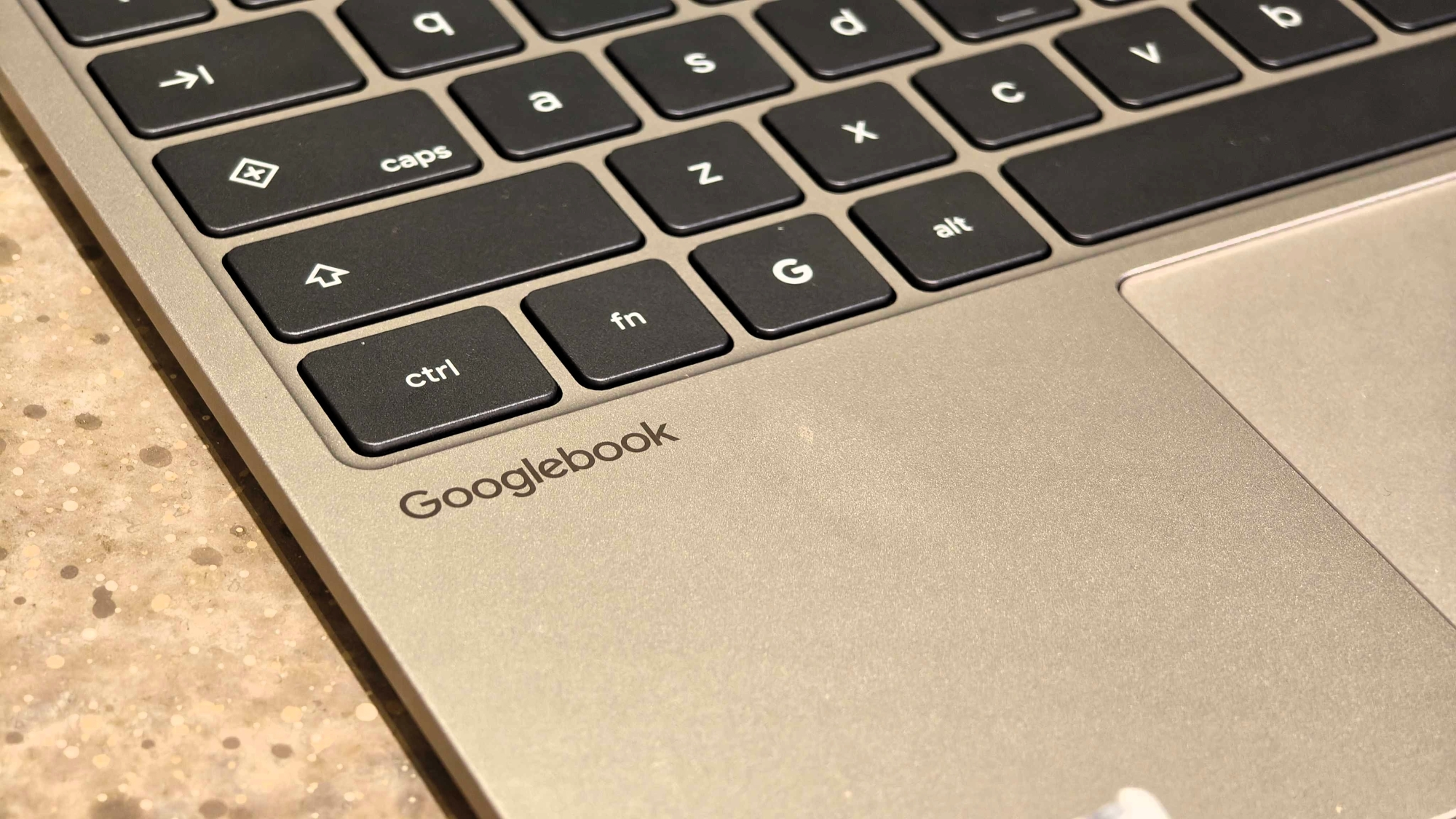
Security enhancements form another cornerstone of the new release, led by the integration of the Android security patch dated November 1, 2026, which addresses approximately 60 distinct vulnerabilities across the software stack. In addition to these patches, Google has updated the Linux 6.18 kernel and the firmware for the Ti50 security chip. These low-level firmware and kernel adjustments successfully resolve hardware-level issues such as unexpected system restarts, persistent boot loops, and uncomfortably loud fan noises that plagued a subset of devices.
The software update is currently being distributed through a gradual rollout process, reaching supported hardware models manufactured by major industry partners including Acer, ASUS, Lenovo, HP, and Dell. Users can manually check for the update by navigating to the system settings menu under Settings, selecting System, and then choosing System Update. The specific build associated with this release is designated as CL3B.260622.286.R2.
Early community reactions shared across platforms like Reddit have been predominantly favorable, with several device owners highlighting noticeably smoother system animations and more responsive multitasking. Nevertheless, some users have encountered isolated post-update quirks, including temporary issues with the Chrome spell-check utility and occasional notification synchronization delays immediately following the device waking up from sleep mode. Google is expected to monitor these early reports closely as the update continues its wider global deployment across the entire supported device catalog.