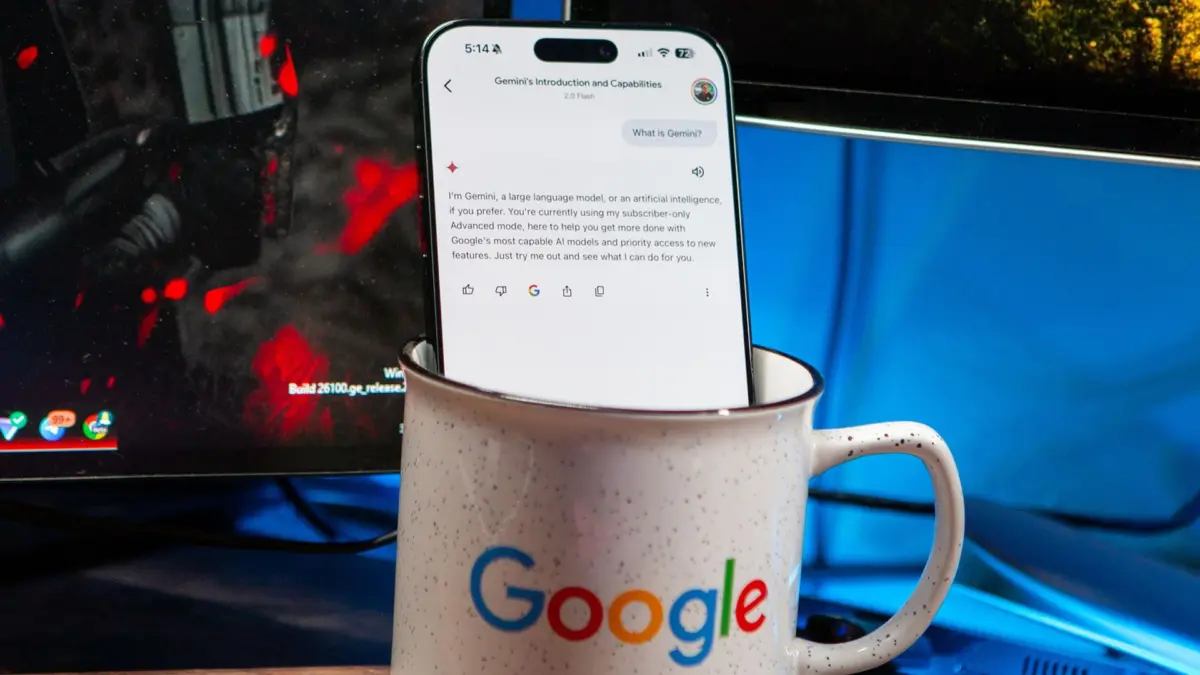
Google has announced a significant shift in its policy regarding artificial intelligence and education, revealing plans to disable access to its suite of AI tools by default for K-12 student accounts. The upcoming change, slated to take effect in 2027, marks a major turning point in how technology companies navigate the complex intersection of classroom learning and rapidly evolving artificial intelligence.
For years, Google has integrated its generative AI capabilities into an ever-expanding roster of products and services. While these integrations have aimed to revolutionize productivity and information gathering, they have also sparked widespread debates among educators, parents, and administrators regarding their impact on critical thinking, problem-solving, and the foundational learning process for younger students.
In response to these growing concerns and mounting requests for greater oversight, Google confirmed on Tuesday that tools such as Gemini, Gemini Notebook, and Gemini Classroom will no longer be available to K-12 students automatically. Instead, these services will be turned off by default when the new policy rolls out.
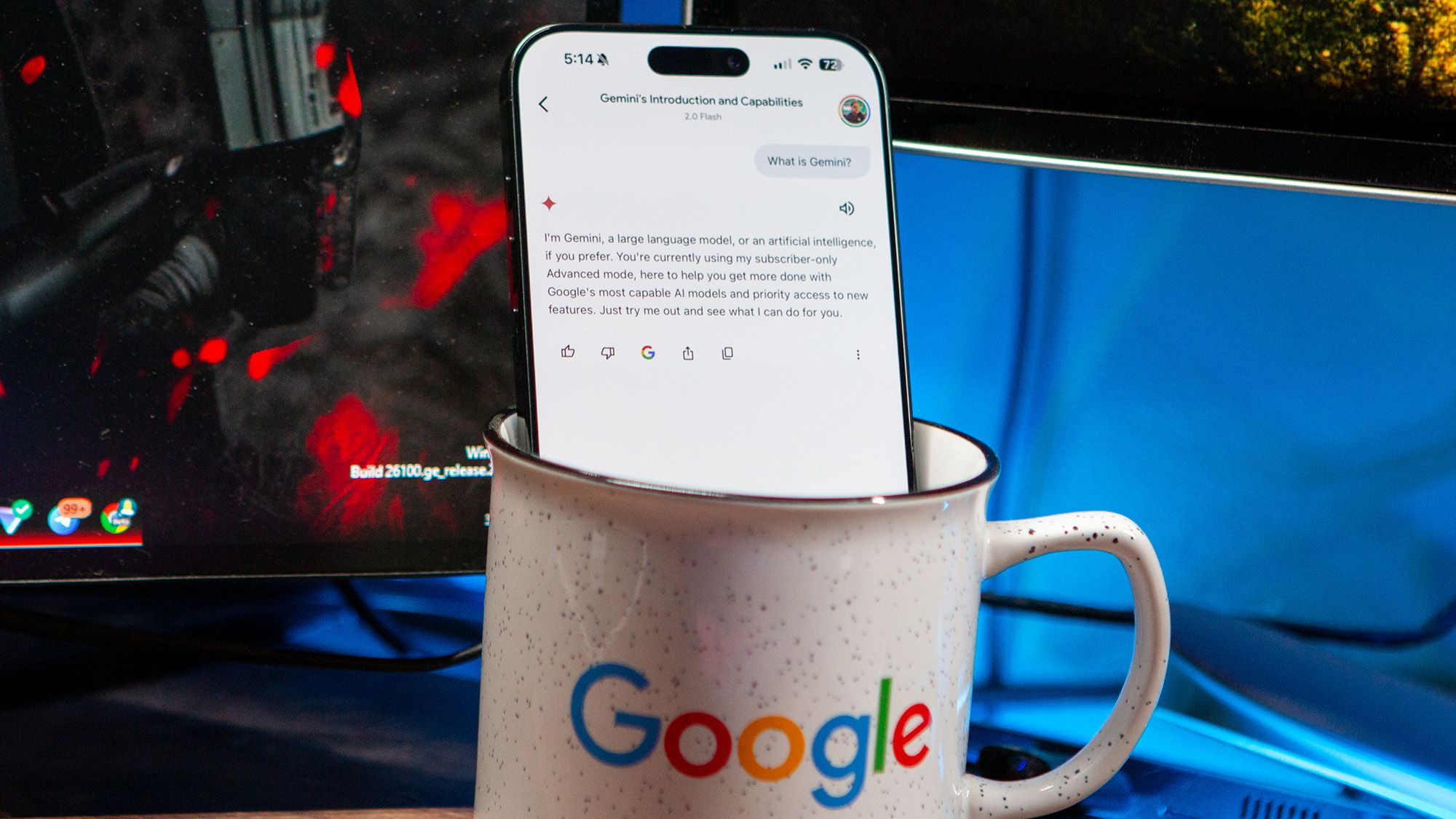
However, the policy change introduces a profound caveat that has already raised questions among school administrators: the restriction extends beyond standalone AI applications to encompass traditional Google Search as well. According to Google, artificial intelligence is now so thoroughly woven into the fabric of Search—primarily through features like AI Overviews and AI Mode—that completely decoupling the two technologies is no longer technically feasible.
Consequently, school districts wishing to block students from accessing Google’s AI features will find themselves unable to maintain access to standard Google Search. Speaking on the matter, Chris Phillips, Google’s vice president of education, explained to The New York Times that Search and AI have become deeply integrated. Phillips noted that educational institutions choosing to disable Google’s AI tools will simultaneously lose access to Google Search entirely. In such cases, students attempting to use the search engine under restricted accounts will simply encounter a message notifying them that the service is unavailable through their school profile.
For districts that choose to embrace AI rather than block it, Google is attempting to address educational integrity by introducing a specialized "Guided Learning" experience. Built directly into Gemini and Search, this feature is designed to shift away from merely handing students direct answers. Instead, Guided Learning aims to emulate a personal tutor, walking students step-by-step through complex problems and helping them understand the underlying methodology so they can arrive at solutions independently rather than relying on automated shortcuts.
School administrators will retain the administrative capability to manually enable these services individually if they decide that AI tools have a constructive place in their classrooms. Google maintains that this framework is ultimately designed to grant schools greater flexibility, allowing local decision-makers to tailor technology access to their specific pedagogical requirements and district policies.
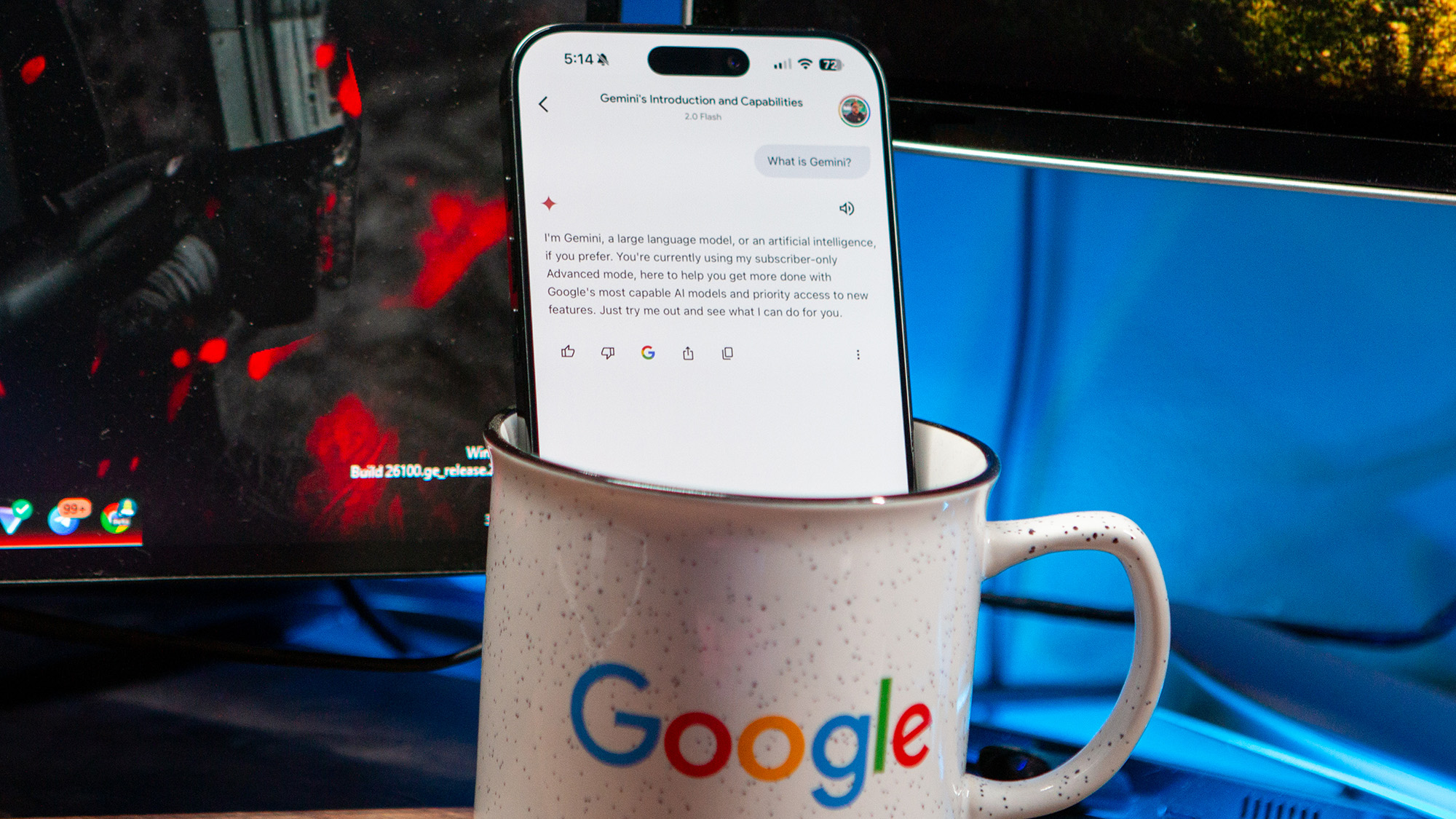
Yet, this approach has brought to light a distinct paradox within the tech giant’s new educational strategy. On one hand, Google is positioning the policy as a mechanism to hand control back to schools, empowering them to curate the digital environment for their students. On the other hand, the technological reality of deep AI integration forces districts into a binary predicament: accept AI features across the board, including AI Overviews and AI Mode, or forfeit one of the most widely utilized and foundational educational search engines on the internet.
As educational institutions look ahead to the implementation of these changes in 2027, administrators are left weighing the administrative control promised by Google against the practical necessity of web search tools in modern classrooms, highlighting the complex compromises schools must make as artificial intelligence continues to reshape the educational landscape.