
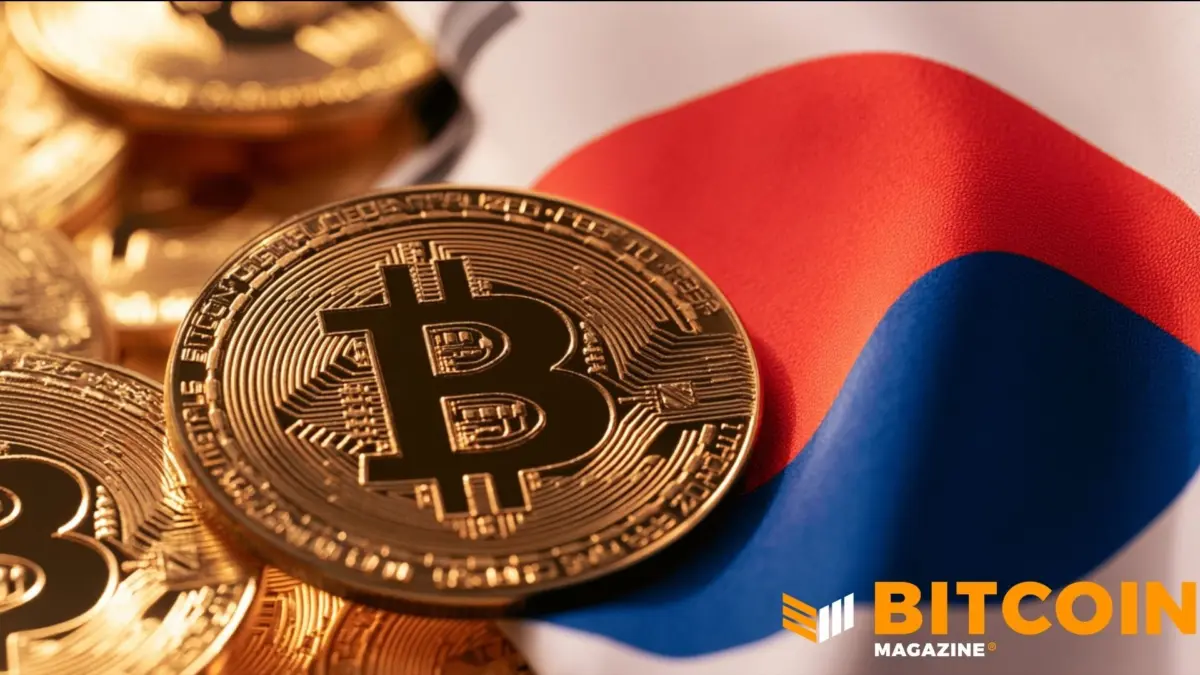
SEOUL — South Korea is moving closer to tightening its grip on digital assets and cross-border financial flows. According to a formal written submission delivered to the National Assembly’s annual audit and initially reported by local outlet Digital Asset, the Bank of Korea (BOK) plans to draft an amendment to the Foreign Exchange Transactions Act alongside the government before the end of the year. The proposed legislative changes are designed to explicitly regulate stablecoins as a recognized means of payment under the nation’s strict financial statutes.
The central bank’s October 22 report serves as a direct follow-up to last year’s parliamentary audit disclosures. In the document, the BOK outlined that it is actively consulting with various governmental bodies regarding comprehensive measures to effectively monitor and regulate cross-border transactions involving virtual assets. While ongoing efforts focus on constructing an advanced monitoring system built upon foreign exchange network reporting protocols, the central bank confirmed its intention to formulate the upcoming legislative amendment with the government before the year concludes. Among its primary objectives, the amendment aims to bring stablecoins under the purview of payment regulations.
Industry observers note that this initiative currently represents a formal plan to draft a legislative bill rather than a finalized bill itself. At this stage, no official draft text has been published, no specific token has been singled out, and no target date for parliamentary passage has been set. Within the framework of Korean foreign exchange law, the classification "means of payment" carries a distinct and specific legal definition. It refers strictly to financial instruments whose cross-border movement is subject to mandatory regulatory reporting.
Interpreted through this specific legal lens, the upcoming amendment would place dollar-pegged stablecoins under the exact same stringent controls that currently govern traditional wire transfers sent from Seoul to New York. It does not signify that stablecoins are being granted legal tender status for everyday consumer purchases, such as buying goods at a local convenience store in Seoul.
The central bank highlighted several vulnerabilities that currently facilitate illicit financial movements, pointing specifically to alternative settlement methods operating entirely outside the traditional banking system, transaction-masking cryptocurrency mixers, and regulatory blind spots surrounding personal digital wallets. Cryptocurrency holders in South Korea who rely on self-custody solutions for assets like Bitcoin should pay close attention to these developments. The nation’s historically strict capital controls are the foundational reason behind the persistent emergence of the "kimchi premium"—the price discrepancy where digital assets trade at higher valuations on domestic exchanges compared to international platforms. Establishing a tighter foreign exchange net around the cryptocurrency ecosystem is expected to reinforce and entrench these existing capital controls rather than ease them.
This foreign exchange initiative is running concurrently with broader regulatory efforts, most notably the Digital Asset Basic Act. This upcoming comprehensive framework—which encompasses licensing guidelines and formal rules for stablecoin issuance—was previously flagged alongside discussions regarding potential spot bitcoin ETF approvals within the government’s broader 2026 economic growth strategy.
During parliamentary proceedings on Thursday, Financial Services Commission Chairman Lee Eog-weon informed lawmakers that inter-agency consultations regarding the overarching digital asset framework are currently in their final stages, and that the official bill will be submitted as swiftly as possible, as reported by Bloomingbit. The Bank of Korea indicated that it will continue working closely with relevant government ministries to limit and mitigate financial transactions that exploit current regulatory gaps until the new comprehensive legislation is formally enacted and implemented.
South Korea’s crypto tax discussions
The existence of these regulatory gaps is further complicated by a strict calendar deadline. South Korea’s long-debated cryptocurrency income tax is currently scheduled to officially take effect on January 1, 2027, according to reporting by The Block. This implementation date follows three separate postponements by policymakers. The timeline has sparked intense debate among lawmakers, many of whom have openly questioned the logic and fairness of taxing a rapidly evolving market before comprehensive foundational laws defining its legal status have been fully passed and implemented.
Addressing lawmakers on Thursday, FSC Chairman Lee stated that the implementation of the tax should take various economic and market circumstances into full consideration, as reported by the Yonhap news agency. Meanwhile, Democratic Party leader Kim Min-seok called for a thorough final review of the taxation plans during Thursday’s sessions. This statement marked a notable policy shift for a political party that had previously insisted on adhering strictly to the 2027 enforcement date.
Public resistance to the tax timeline has also materialized through official channels. Two separate public petitions—one calling for the complete repeal of the crypto tax and another urging a two-year deferral—have each successfully cleared the threshold of 50,000 signatures, a milestone that formally mandates a comprehensive legislative review by the National Assembly.
Despite the ongoing political debates, parliamentary hesitation, and public petitions, the administrative apparatus tasked with tax collection has continued its preparations unabated. The National Tax Service has not altered its operational schedule and plans to finalize its draft tax administrative notice by October 30, according to coverage by Digital Asset.


Leave a Reply