
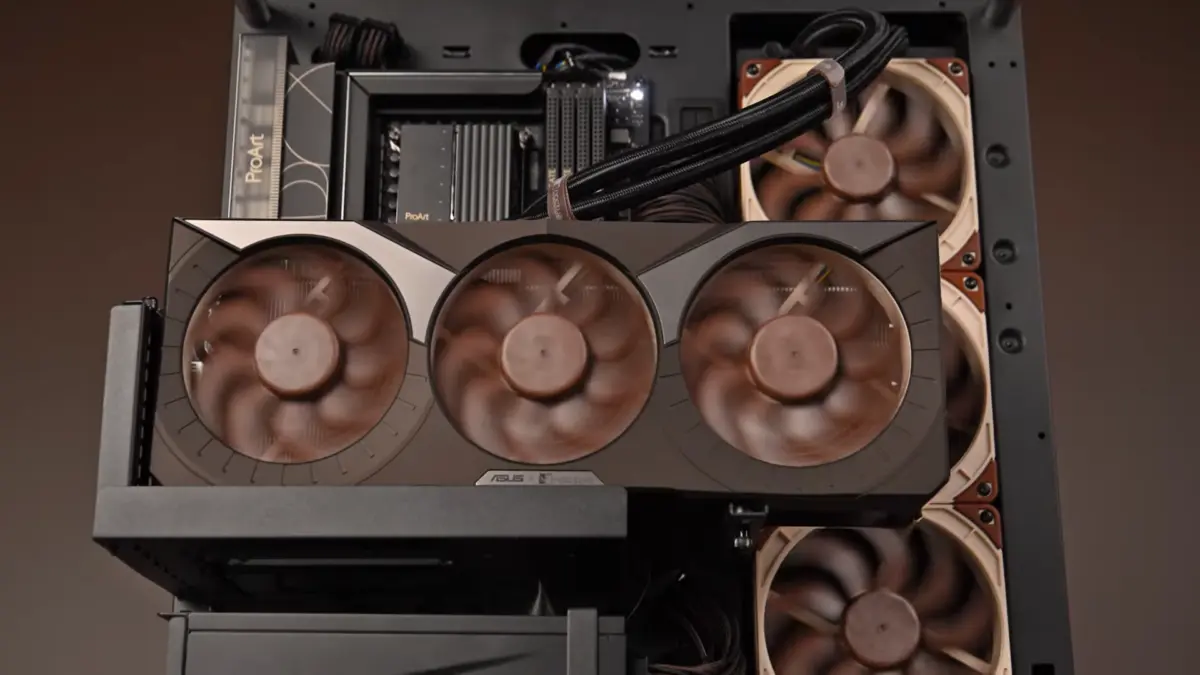
Following the stunning weekend revelation that a massive shipment of high-end Nvidia GeForce RTX 5090 graphics cards—valued at an estimated $470,000—had vanished from a Brazilian airport, the unfolding saga has taken a sharp turn. Authorities and investigators are closing in on the perpetrators, with local reports indicating that at least one of the stolen, highly coveted graphics cards has already surfaced for sale on the online marketplace. At the same time, law enforcement and airport security officials have reportedly identified three internal employees suspected of orchestrating or facilitating the daring heist.
The initial disappearance of the cargo, which consisted of two heavy pallets packed with some of the most advanced and expensive consumer graphics processing units on the planet, sent shockwaves through the regional tech distribution network. The consignment, intended for a local distributor, vanished under mysterious circumstances while transiting a secure facility within a Brazilian airport. When the distributor attempted to track down the missing high-value cargo and demanded explanations for the vanishing pallets, they were reportedly met with a wall of silence from logistical handlers, prompting an immediate escalation to local law enforcement and aviation authorities.
As the investigation intensified over the past several days, local Brazilian media outlet GMC reported that law enforcement agencies and airport security teams made a significant breakthrough. Investigators have successfully identified three airport workers believed to have direct involvement in the theft of the cargo, which has been valued locally at approximately 2.5 million Brazilian Real. The alleged inside job highlights the immense vulnerability of high-value tech shipments, particularly as next-generation hardware commands unprecedented market prices and severe scarcity worldwide.

Compounding the problem for both the distributor and law enforcement, the fallout from the heist quickly spilled over into the open market. Shortly after news of the missing pallets broke across major technology news outlets, advertisements and listings offering the contraband hardware began appearing online. According to reports from the region, at least one listing featuring an RTX 5090 card linked directly to the stolen shipment briefly went live before the online advertisement was quickly pulled down. The rapid appearance and subsequent deletion of the listing suggest that the thieves or their associates are desperately attempting to offload the tightly monitored hardware, even as digital footprints and serial numbers threaten to expose buyers and sellers alike.
The Nvidia GeForce RTX 5090 represents the absolute pinnacle of consumer graphics technology, making units exceptionally attractive targets for organized theft rings and opportunistic criminals. With global demand heavily outstripping supply and retail prices soaring into thousands of dollars per card, a pallet of these flagship GPUs effectively constitutes a mobile treasure trove. Because high-end graphics cards can be easily transported, resold, or smuggled across international borders without raising immediate suspicion compared to bulkier electronics, they have increasingly become prime targets for cargo theft at transit hubs, logistics warehouses, and international airports.
The brazen nature of the airport heist has raised serious questions regarding security protocols at Brazilian shipping and logistics facilities. Transporting cargo worth nearly half a million dollars requires stringent chain-of-custody tracking, armed surveillance, and secure storage areas designed to prevent unauthorized access. The fact that two entire pallets could disappear from an airport environment—and that multiple internal employees are now implicated in the crime—points to systemic vulnerabilities within the handling process. Industry analysts and supply chain security experts have long warned that as consumer electronics become more expensive and harder to acquire, criminal syndicates are increasingly targeting the weak links in global distribution networks rather than retail storefronts.
For the regional distributor based in Maringá, the disappearance of the shipment represents a severe logistical and financial setback. Beyond the immediate monetary loss of the $470,000 inventory, the company faces complicated insurance claims, delayed fulfillment schedules, and the arduous task of replacing allocation-heavy hardware in a constrained global market. Nvidia itself has not officially commented on the localized theft, as the distribution and transit of retail stock typically fall under the purview of regional partners, authorized distributors, and third-party logistics providers once the components leave factory gates.

Meanwhile, local police and specialized cargo theft units are continuing their investigation into the three identified airport employees. Authorities are working to determine whether the suspects acted alone or as part of a broader, well-organized contraband ring capable of moving high-end technological hardware across domestic or international gray markets. Investigators are also scrutinizing airport security camera footage, digital communication logs, and inventory manifests to trace the exact route taken by the two missing pallets from the moment they touched down on the tarmac to their disappearance from the secure holding area.
As the online listing for the contraband graphics card was abruptly scrubbed from the internet, law enforcement agencies are utilizing digital forensics to track the IP addresses and user accounts associated with the advertisement. While the recovery of the entire $470,000 shipment remains uncertain, the rapid identification of suspected insiders and the emergence of hardware online indicate that the net is tightening around those responsible for the high-profile theft. For now, the incident serves as a stark reminder of the escalating risks associated with moving ultra-premium consumer technology through vulnerable logistics corridors in an era of unprecedented hardware valuations.


Leave a Reply