
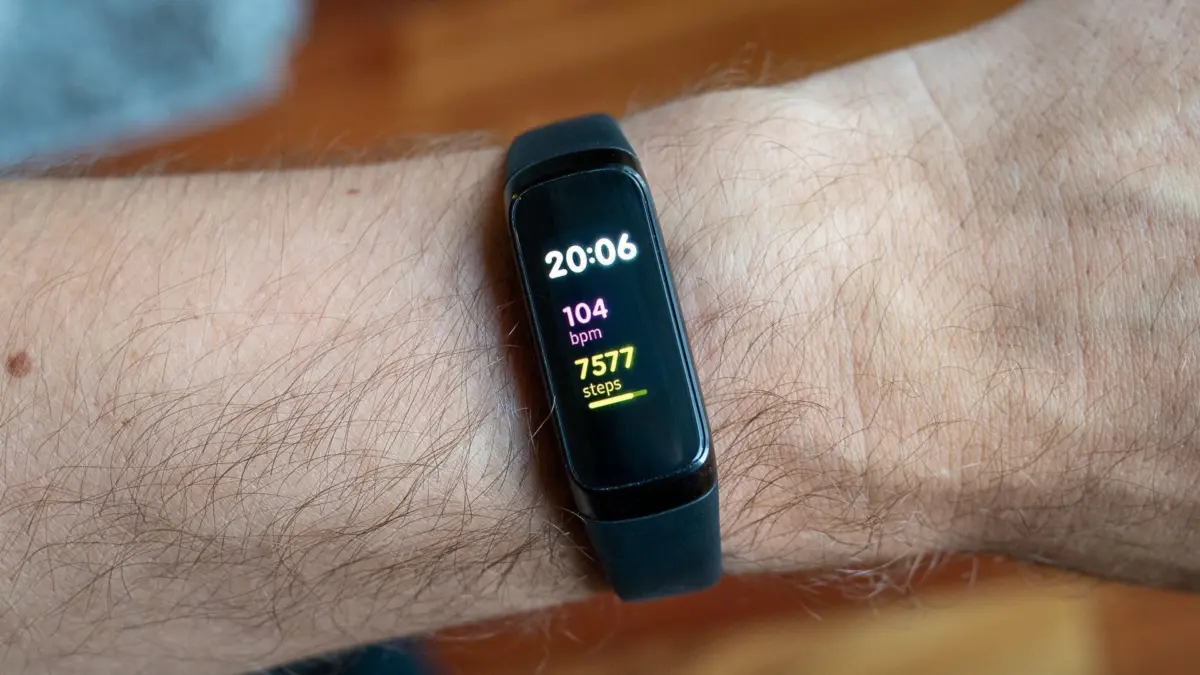
The wearable, which has been identified in regulatory documents and industry leaks by the model number SM-R391, first began appearing across certification platforms and digital renders in August of last year. Initial images of the device reveal a rear aesthetic that bears a striking resemblance to the Samsung Galaxy Fit 3. Prominent design elements include a familiar pill-shaped optical sensor cutout alongside standard metal charging contacts designed for magnetic power delivery. This latest intelligence suggests that Samsung intends to maintain a consistent, recognizable look for its affordable fitness band lineup rather than introducing a radical aesthetic redesign for the new generation.
Adopting a familiar chassis and form factor is a strategy that often works well for budget-conscious fitness trackers, a category of consumer electronics designed primarily to handle essential health metrics without imposing the higher costs, larger footprints, and complex feature sets associated with full-scale smartwatches. The Samsung Galaxy Fit 3, which made its official market debut in February 2024, established a strong baseline for the product line by offering a vibrant touchscreen display, continuous heart rate monitoring, comprehensive sleep tracking capabilities, and a lightweight, comfortable physical build suited for round-the-clock wear.
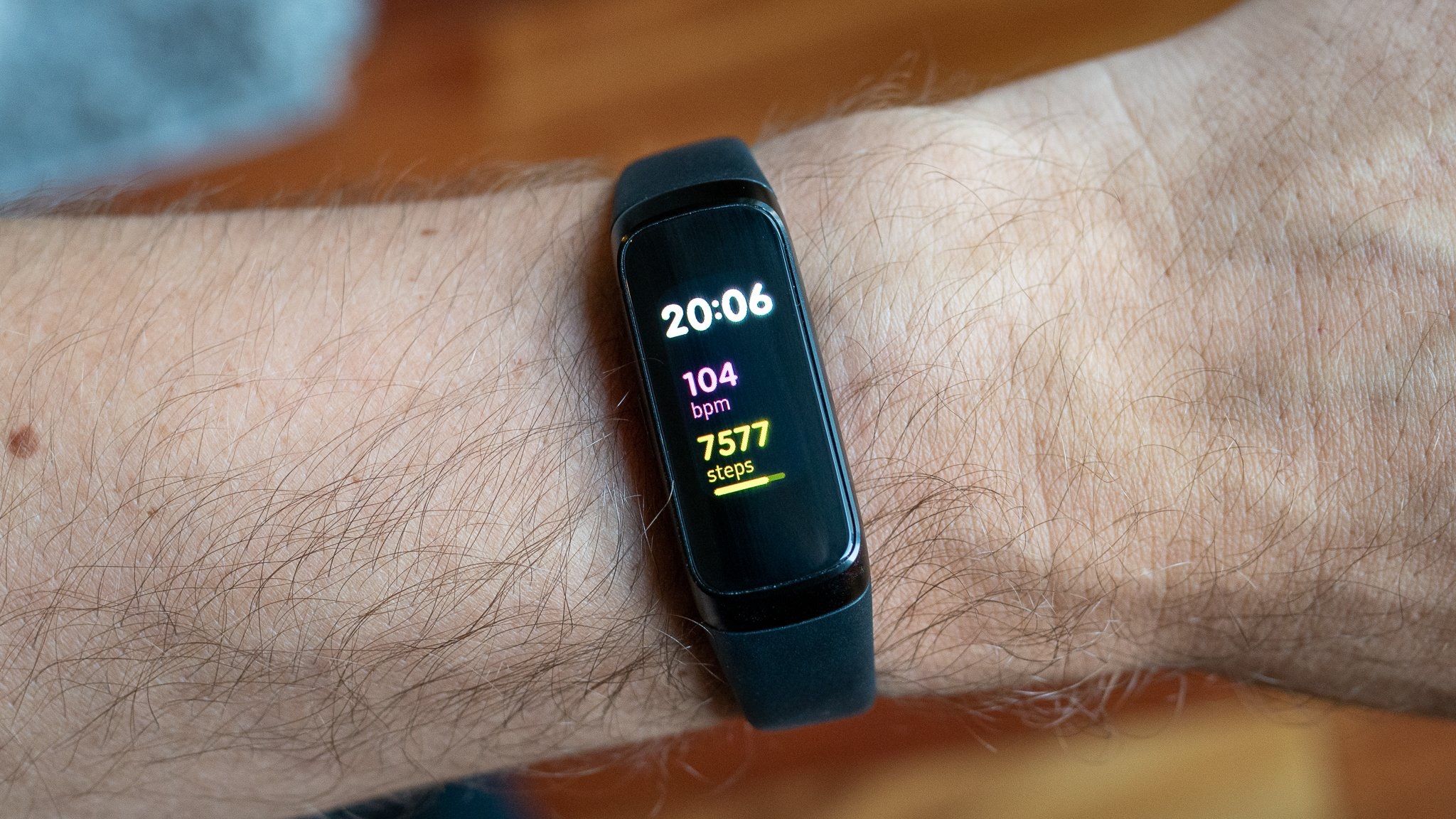
Industry analysts and hardware leaks point to the upcoming Galaxy Fit 4 following a similar blueprint, maintaining its focus on accessibility and straightforward daily activity tracking. Under the hood, the wearable is expected to introduce modern connectivity enhancements, most notably the inclusion of Bluetooth Low Energy support alongside advanced internal components. Reports indicate that Samsung may integrate the Goodix GH3036 sensor module, a sophisticated optical sensor component designed to handle precise heart rate monitoring alongside a variety of secondary health measurements. Furthermore, connectivity upgrades are anticipated to extend to wireless protocols, with rumors suggesting the device will feature Bluetooth 5.4 support, representing a modest incremental step forward from the Bluetooth 5.3 technology utilized by its predecessor.
Despite these internal hardware refinements, current industry intelligence suggests that prospective buyers should temper their expectations regarding the inclusion of certain advanced features typically reserved for premium smartwatches. Specifically, early indications point to the likelihood that built-in GPS and near-field communication technology for contactless payments may once again be omitted from the specification sheet. If these omissions prove accurate, users engaging in outdoor athletic activities such as running or cycling would continue to rely on a connected smartphone to accurately map outdoor routes and track geographic positioning during workouts.
For many fitness enthusiasts and daily runners, the potential absence of dedicated onboard GPS represents a missed opportunity to bridge the gap between basic fitness bands and higher-tier wearables. Incorporating standalone global positioning capabilities would provide significant convenience for athletes looking to exercise without carrying a smartphone. Similarly, the addition of NFC support would transform an affordable fitness tracker into a more versatile daily companion by enabling wrist-based contactless transactions. However, as the product has not yet been officially announced or detailed by Samsung, these hardware capabilities and feature omissions remain unconfirmed by the manufacturer.
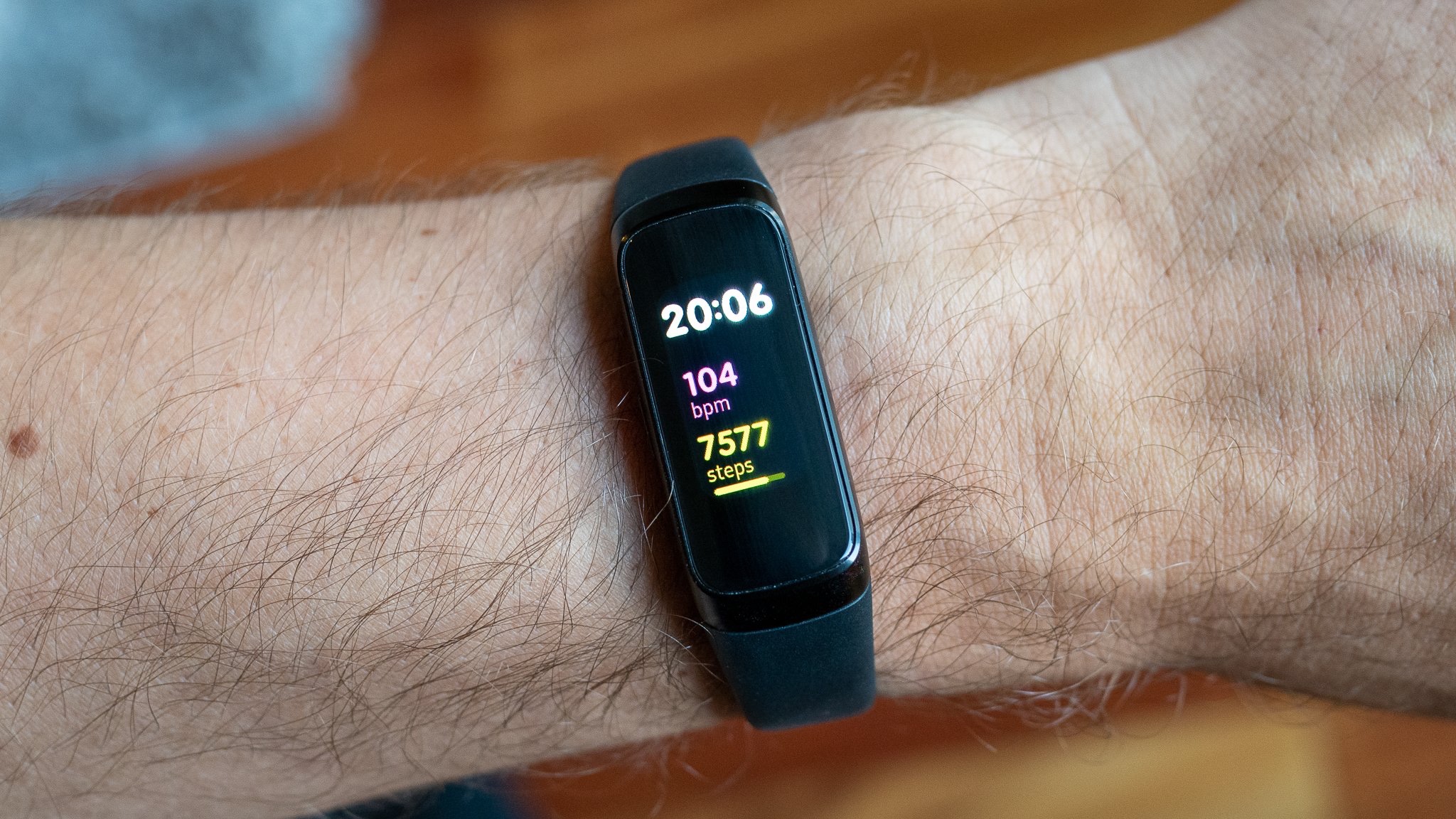
The official product specifications, retail pricing structure, and formal launch timeline for the Galaxy Fit 4 have not yet been disclosed by Samsung representatives. Nevertheless, the steady accumulation of regulatory filings across international markets strongly indicates that development is actively progressing toward a commercial release. The device has recently been spotted passing through certification databases in various regions, including Malaysia’s SIRIM regulatory body, a standard procedural step for consumer electronics preparing for retail distribution.
As competition within the wearable technology sector continues to intensify, Samsung’s ability to maintain an aggressive and competitive price point will likely play a decisive role in the market reception of the new fitness band. If the manufacturer can successfully deliver an affordable price tag alongside reliable health metrics, improved connectivity, and dependable battery life, the Galaxy Fit 4 could position itself as an attractive choice for consumers seeking a streamlined, hassle-free alternative to traditional smartwatches.

Leave a Reply