
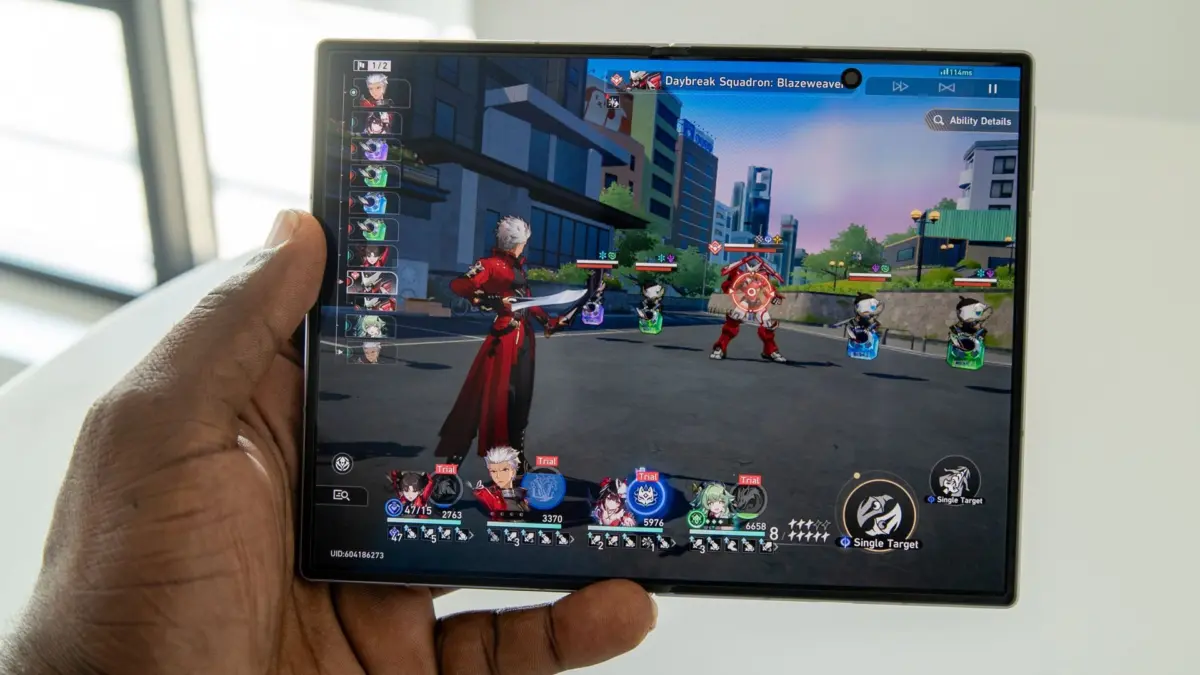
The foldable smartphone landscape has evolved significantly over the past several years, shifting from a niche novelty into a category defined by rapid hardware refinement. While early iterations of foldable devices experimented with narrow cover displays and unconventional aspect ratios, the modern industry has largely converged on a new standard: the "wide fold." This design philosophy has resonated strongly with consumers who prefer a cover screen that closely mirrors the proportions of a traditional smartphone, eliminating the cramped typing experience that plagued earlier generations.
Now, fresh industry data suggests that this design shift could provide a major tailwind for the entire supply chain. According to a new market forecast published by research firm Omdia, LTPO AMOLED foldable display shipments are projected to climb by an impressive 44% in 2026. Analysts point to the surging popularity of wider screens as the primary catalyst behind this anticipated market rebound, signaling a potential turning point for an industry that has weathered a turbulent period marked by declining global demand and rising manufacturing costs.
Brain Huh, principal analyst at Omdia, highlighted the dominant role that expanded aspect ratios will play in the coming years. "Display shipments for wide-screen foldable smartphones are expected to account for 44% of total foldable panel shipments in 2026," Huh noted in the research brief. This projection underscores a broader consumer preference for devices that do not force users to compromise usability when the phone is folded shut.
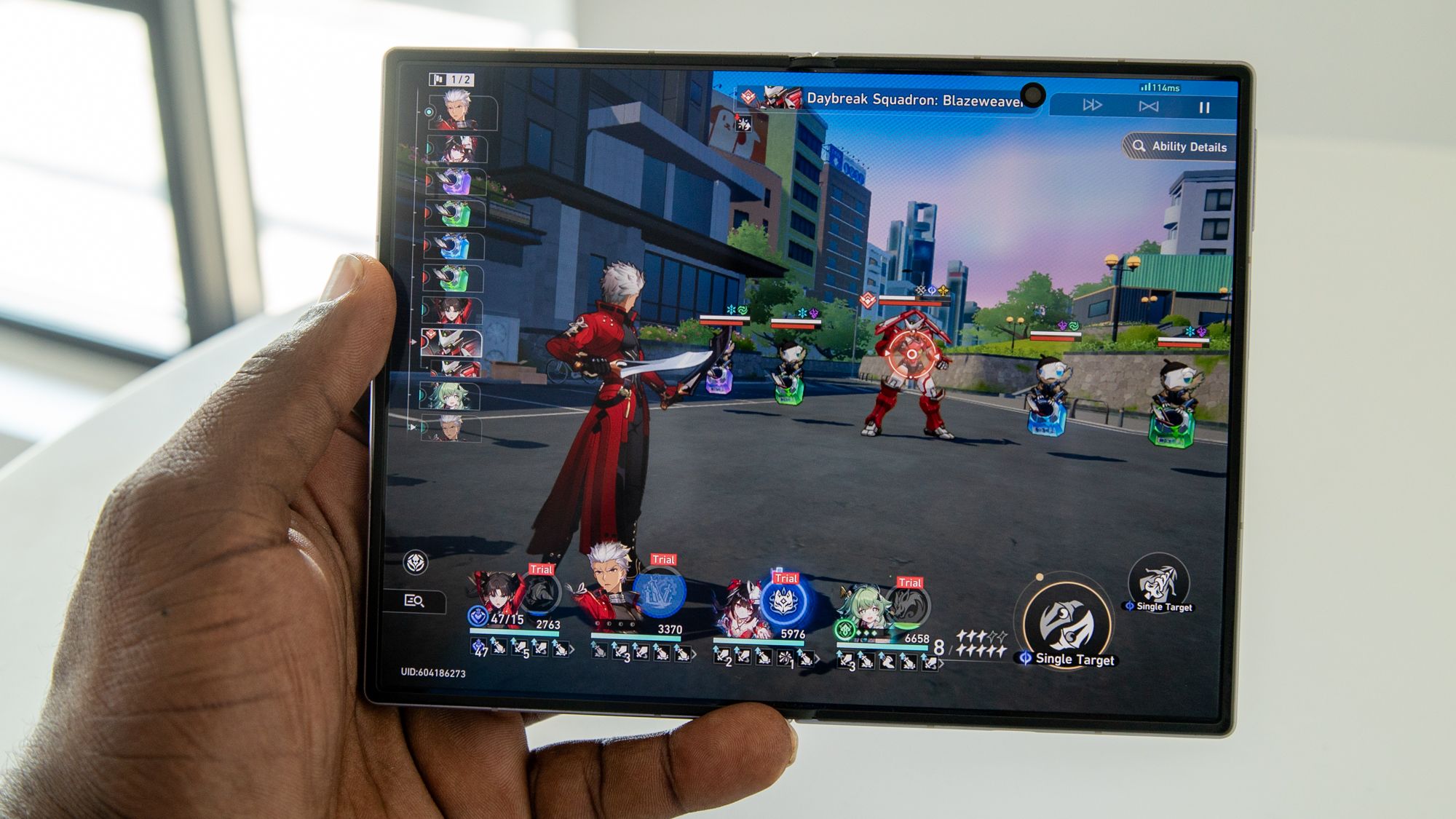
It is difficult to discuss the momentum behind wide-screen foldables without examining the heavyweights driving the category. Key product launches—most notably Samsung’s Galaxy Z Fold 8 and Apple’s anticipated iPhone Duo—have captured the industry’s attention and set a new benchmark for hardware engineering. Omdia’s research places significant emphasis on these two device families, noting that Samsung is expected to strengthen its overall leadership in the foldable smartphone display market. Because Samsung acts as an exclusive display supplier for several of these high-profile devices, its manufacturing arm stands to benefit immensely from the wider industry transition.
Beyond its own branded hardware, Samsung’s display division is positioned to maintain a commanding lead over rival panel manufacturers such as BOE, China Star, Tianma, and Visionox. The positive reception greeting these wider foldable form factors has validated early investments in advanced display technology, ensuring that suppliers continue to see robust orders even as other segments of the consumer electronics market face headwinds.
Yet, this optimistic outlook for display shipments exists in stark contrast to the broader economic realities facing the global smartphone market. While component manufacturers and display fabricators are enjoying a wave of robust orders, the retail market tells a much more complicated story.
The broader smartphone industry has experienced a severe contraction throughout the year. Global shipments have fallen significantly compared to previous years, with market watchers noting that the downturn accelerated drastically during the third quarter. According to recent industry reports, the global phone market suffered its largest drop in over a decade, plunging to shipment levels not seen in 14 years. Year-over-year figures for the third quarter pointed to a staggering 20% decline across the board, driven in large part by an acute global memory shortage that has driven up component costs and squeezed manufacturer margins.
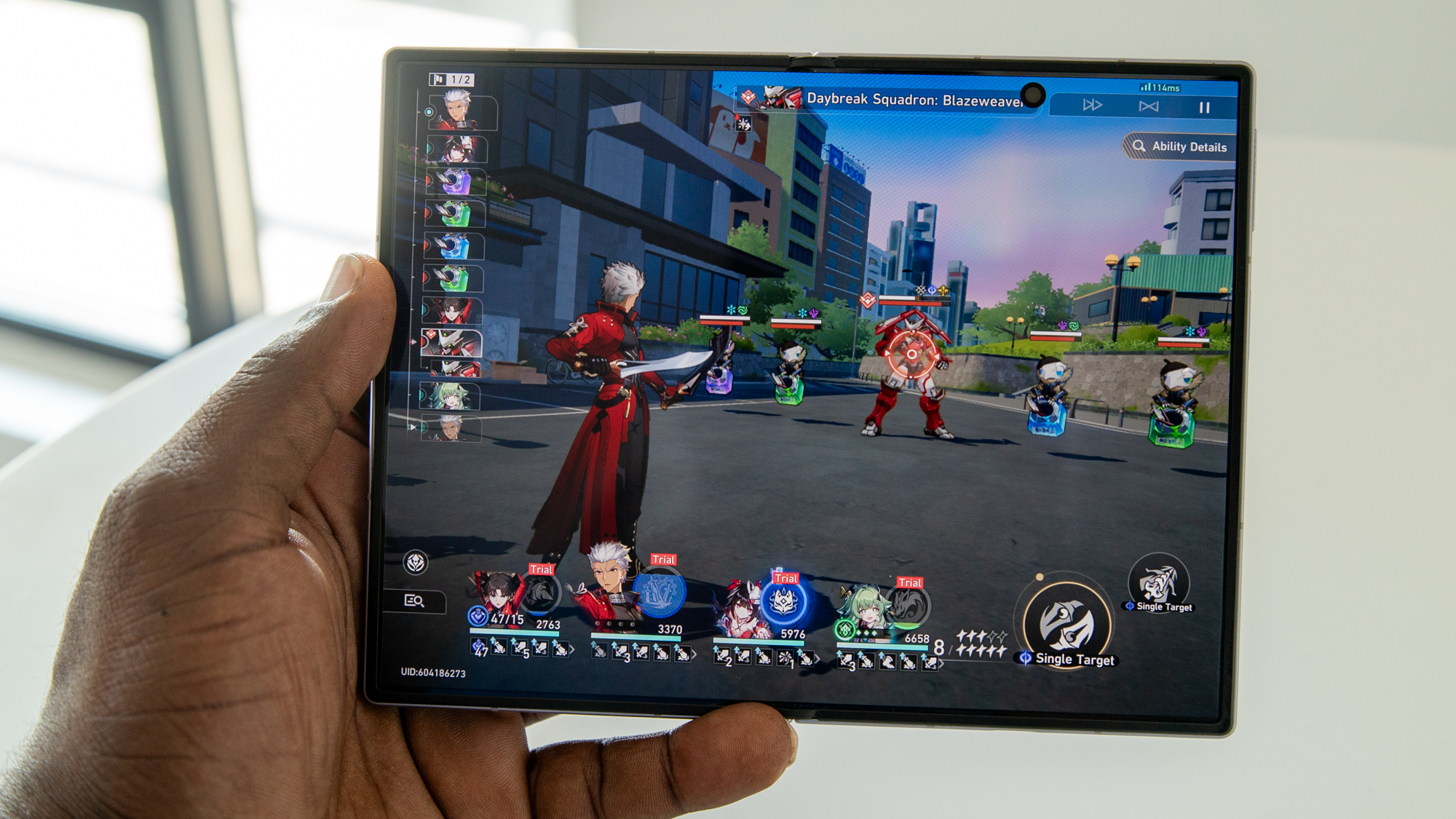
These compounding pressures have inevitably altered consumer behavior. As high-end smartphones cross new pricing thresholds, buyers are increasingly adopting a pragmatic mindset. The prevailing consumer sentiment has shifted toward longevity, with many asking a fundamental question: why purchase an expensive new device when those funds are urgently needed for more pressing economic priorities? In an economic climate characterized by inflation and constrained household budgets, discretionary spending on luxury technology has faced an inevitable slowdown.
Paradoxically, even as the overall market contracted, certain major manufacturers managed to navigate the storm more effectively than others. Samsung, buoyed by the strong commercial performance of the Galaxy Z Fold 8 and the specialized Fold 8 Ultra, managed to capture a larger slice of the shrinking pie. Reports indicate that Samsung increased its market share to roughly 23%, representing the largest gain among original equipment manufacturers during a particularly punishing quarter.
Apple, meanwhile, held onto second place in market share rankings, though its quarterly trajectory was influenced by shifting product line strategies. Industry analysts noted that the absence of a traditional base or entry-level model within the iPhone 18 lineup—with Apple focusing heavily on the higher-end Pro and Pro Max variants—played a role in shaping its shipment volumes during the period.
This juxtaposition between a booming display component sector and a struggling retail device market highlights the complex dynamics currently at play in the technology sector. While component suppliers and display manufacturers look forward to a 44% surge in foldable shipments fueled by the wide-fold trend, the ultimate test will be whether consumers are willing to embrace these premium form factors at scale when retail availability expands. As the industry looks toward the remainder of the year and into 2026, the success of devices like the Galaxy Z Fold 8 and the iPhone Duo will serve as a crucial barometer for whether hardware innovation can successfully override broader economic hesitation.


Leave a Reply