
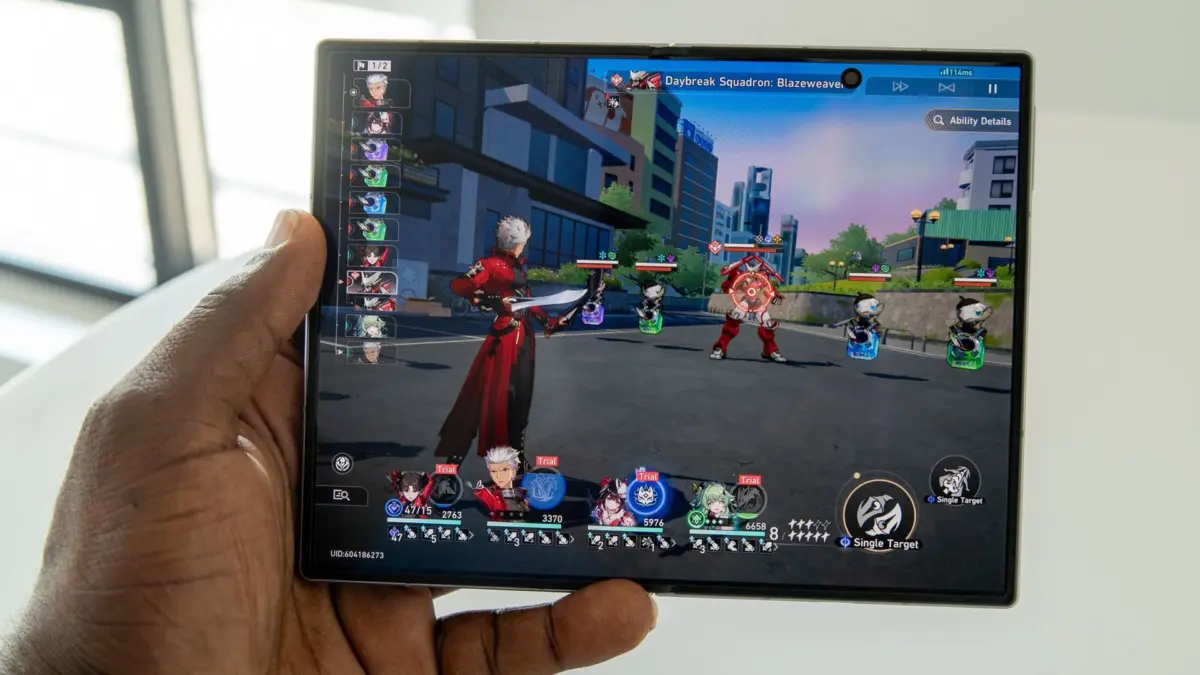
Foldable smartphones have officially moved past their experimental phase, establishing themselves as a permanent fixture in the modern mobile landscape. However, as the form factor matures, consumer preferences and engineering priorities are shifting. The latest trend to take over the industry is the "wide fold"—a design philosophy that prioritizes a more traditional, expansive cover screen over the narrow, taller dimensions of earlier foldable generations.
According to fresh market research published on October 21 by Omdia, this evolution is driving a major resurgence in component demand. The industry intelligence firm projects that LTPO AMOLED foldable display shipments will surge by an impressive 44% throughout 2026. This anticipated jump signals a much-needed market rebound, fueled heavily by strong hardware execution from major industry heavyweights like Samsung and Apple.
Wide Screens Capture the Market Momentum
When discussing the pivot toward wider aspect ratios in the foldable sector, industry attention inevitably centers on market pioneers and high-profile product rollouts. Omdia’s latest tracking highlights devices like the Samsung Galaxy Z Fold 8 and Apple’s anticipated iPhone Duo as prime catalysts for this display growth.
Brain Huh, principal analyst at Omdia, emphasized the scale of this shift in the firm’s recent forecast. "Display shipments for wide-screen foldable smartphones are expected to account for 44% of total foldable panel shipments in 2026," Huh noted.
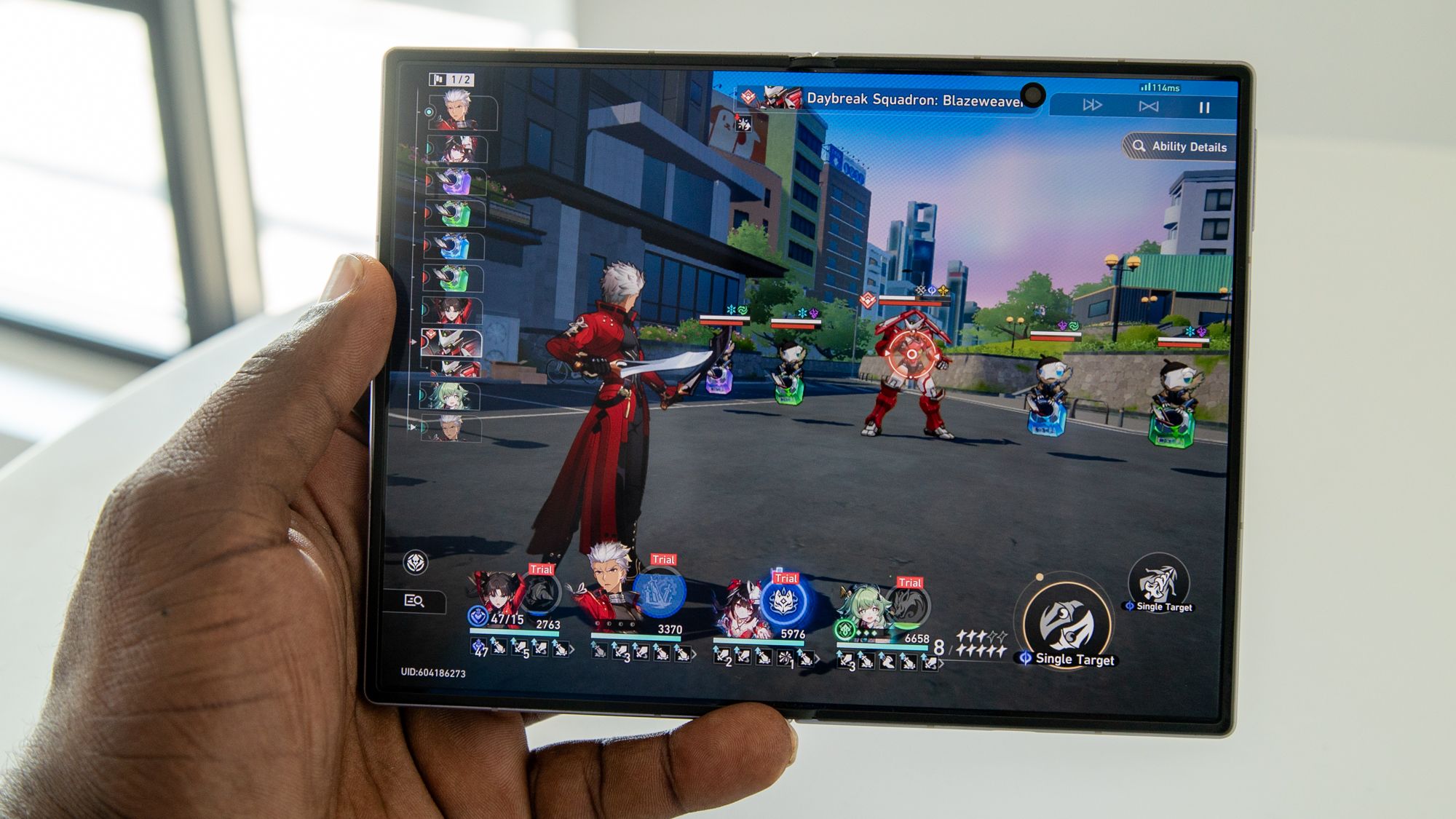
This dramatic increase underscores a broader design consensus: consumers and manufacturers alike have realized that a wider cover screen drastically improves daily usability, making the device feel less like a specialized gadget and more like a primary daily driver when closed. Samsung, which supplies display panels exclusively for several of these high-profile devices, is expected to heavily capitalize on this trend. By securing exclusive panel supply agreements for key flagships like the Galaxy Z Fold 8 and the iPhone Duo, Samsung is positioned to maintain a dominant foothold in the foldable display market, fending off fierce competition from rival display manufacturers such as BOE, China Star, Tianma, and Visionox.
A Bright Spot Amid a Challenging Broader Market
While a 44% projected increase in foldable display shipments sounds like a cause for unreserved celebration, industry analysts advise a balanced perspective. The wider mobile ecosystem is experiencing one of its most turbulent periods in recent memory, meaning that component growth does not necessarily translate to a booming market across the board.
The broader global smartphone market has faced severe headwinds throughout the year. Data from previous quarters indicates that global phone shipments have been on a steep downward trajectory, culminating in what researchers have described as a staggering plunge during the third quarter. According to recent market reports, overall smartphone shipments dropped by a dramatic 20% year-over-year in Q3, dragging the broader industry down to shipment lows not seen in over 14 years.
A primary driver behind this prolonged slump is a severe, industry-wide memory shortage, which has driven up component costs and forced manufacturers to raise retail prices. As smartphones become increasingly expensive, consumer psychology has shifted noticeably. Many potential buyers are adopting a more pragmatic approach to upgrades, often questioning the value proposition of a new device when that money could be better allocated toward essential living expenses in an unpredictable economy.
Despite these macroeconomic hurdles, specific manufacturers have managed to navigate the storm more effectively than others. Samsung, for instance, managed to expand its market share to roughly 23%, capturing the largest slice among original equipment manufacturers (OEMs) during the market downturn. This resilience was heavily supported by the strong commercial reception of the Galaxy Z Fold 8 and the specialized Fold 8 Ultra, proving that high-end consumers willing to spend money are gravitating toward premium, innovative form factors rather than standard slab phones.
Meanwhile, competitors like Apple have experienced shifting dynamics of their own. Apple lagged slightly behind in recent shipment metrics, a trend market observers attribute in part to product lineup adjustments, such as the strategic omission of a traditional, lower-priced entry model in the iPhone 18 series in favor of a heavier focus on the high-end Pro and Pro Max tiers.
As the mobile industry looks toward the final months of the year and prepares for 2026, the trajectory of foldable displays offers a fascinating case study in adaptation. While everyday consumers grapple with rising device costs and tightening budgets, the rapid adoption of wide-screen foldables suggests that innovation—particularly hardware that directly addresses usability pain points like narrow cover screens—remains a powerful tool for driving consumer interest. Whether this component boom can eventually pull the wider smartphone market out of its prolonged slump remains to be seen, but for now, the display supply chain is poised for a significant and lucrative upswing.



Leave a Reply