
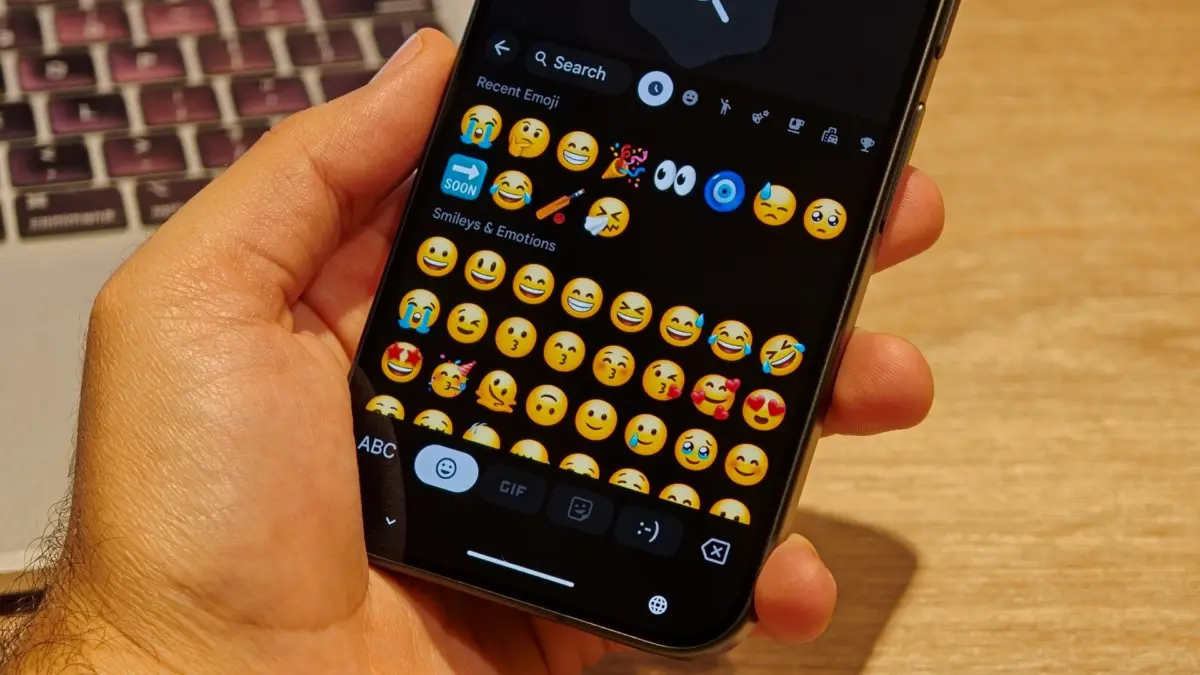
Google has seemingly begun the process of rolling out its vibrant new Noto 3D emoji design language to older Android smartphones, expanding a visual overhaul that previously debuted as an exclusive feature for the high-end Pixel 11 series alongside the rollout of Android 17.
For years, a persistent point of critique among the Android user base has been the relatively plain, flat, and bland appearance of the platform’s native emojis, especially when compared directly against the more expressive and stylized iconographies offered by competing operating systems. To address these longstanding aesthetic concerns, Google introduced the Noto 3D emoji design language with the arrival of Android 17 and the subsequent launch of the flagship Pixel 11 lineup.
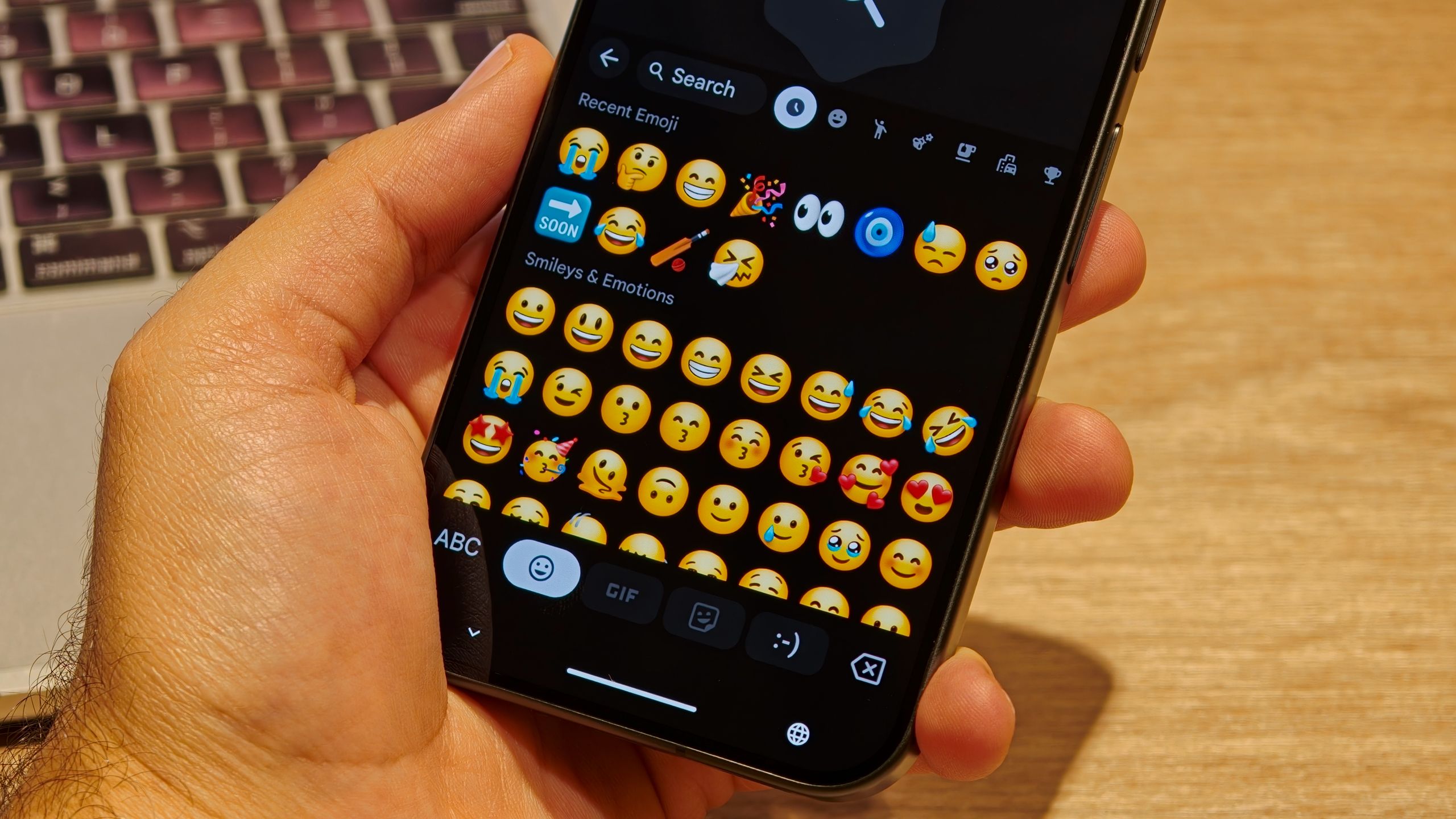
According to Google, these newly redesigned emojis feature significantly more depth, dimension, and physical presence. The refreshed artistic direction is engineered to make the icons far more effective at conveying nuanced human emotions while providing the entire Android ecosystem with a much more distinctive, polished, and modern visual identity. Until recently, however, these dynamic three-dimensional graphics remained entirely restricted to the company’s newest generation of hardware.
That exclusivity appears to be shifting. Recent reports originating from the online community indicate that the visual upgrade is finally making its way onto legacy hardware. As highlighted by a vigilant user on Reddit and subsequently reported by 9to5Google, the new Noto 3D emojis have unexpectedly started appearing on a Pixel 6a. The user noted that their standard emoji picker and keyboard selection interface had automatically updated to display the fresh, dimensional designs. Crucially, the user observed that this visual transformation seemed to arrive courtesy of a foundational system-level update rather than a routine application update for Gboard or individual messaging clients.
While this initial sighting points to an exciting shift in Google’s deployment strategy, the distribution of the Noto 3D emojis does not appear to be widely available across all legacy devices just yet. Subsequent checks conducted on other supported hardware running the very latest Android 17 software—including devices like the Pixel 9a and the Pixel 9 Pro—revealed that the interface changes had not yet propagated, even after verifying that the phones were running the most recent Google Play system updates.
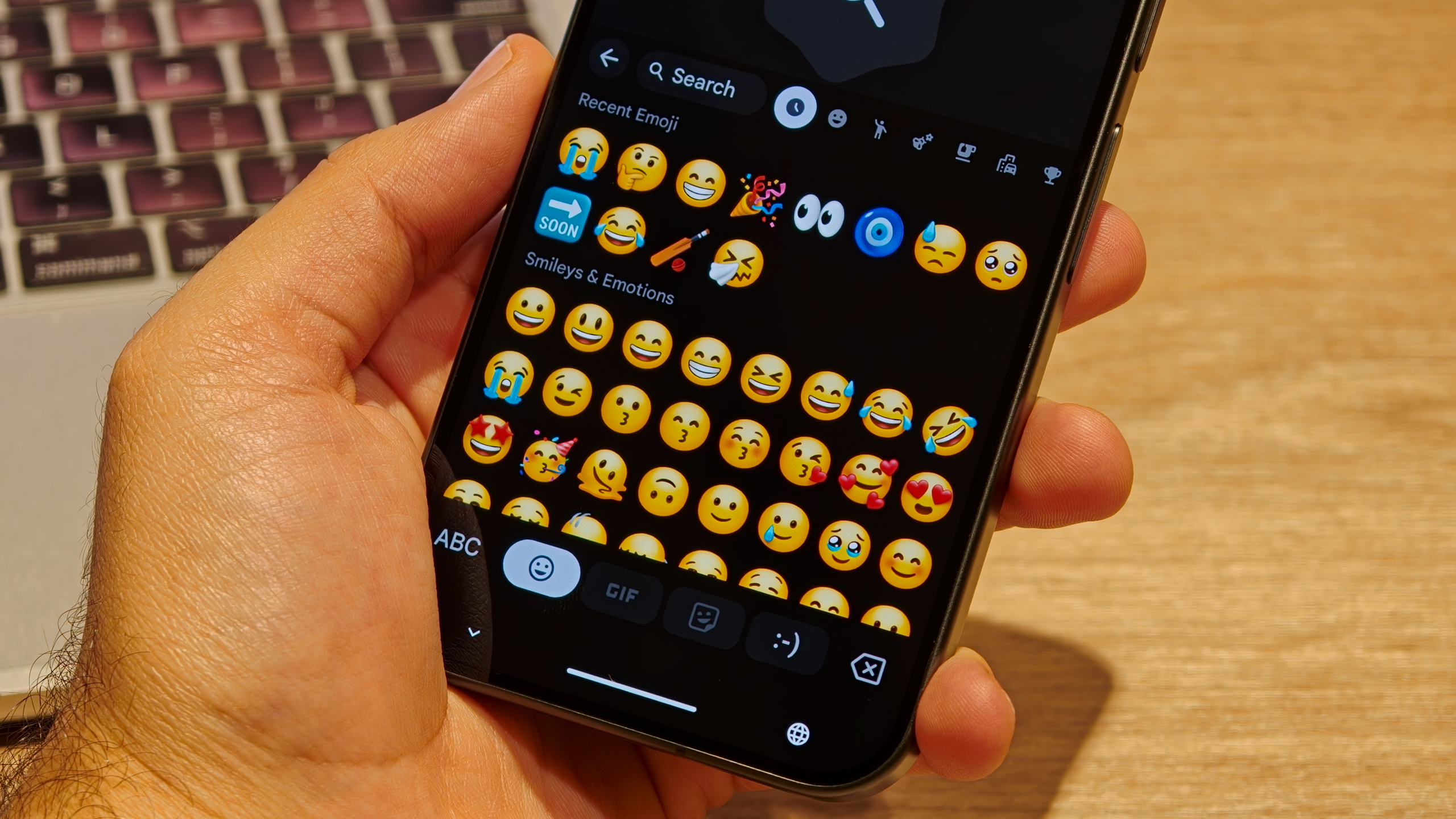
Nevertheless, the confirmation that at least one older device has successfully received the Noto 3D emoji refresh suggests that Google may have quietly initiated a phased, gradual rollout. If this pattern follows typical deployment schedules for major Android UI components, availability is expected to expand progressively to a broader range of older Pixel smartphones and eligible devices over the coming days and weeks.
The arrival of the Noto 3D emojis on older Google hardware aligns with the broader ecosystem strategy that Google outlined earlier. The company has previously confirmed its intention to make these redesigned emoji assets widely accessible across its own proprietary suite of applications. Furthermore, Google has laid out plans to license and distribute the design language to third-party Android manufacturers, ensuring that users outside of the Pixel ecosystem can eventually experience the upgraded visuals.
When the rollout eventually reaches completion, the Noto 3D emojis are slated to appear on smartphones from a wide array of prominent hardware partners. This expansive list of participating manufacturers includes Nothing, Lenovo, Xiaomi, Oppo, OnePlus, Vivo, Honor, and Motorola, signaling a comprehensive, ecosystem-wide refresh for Android communication tools.
Leave a Reply