
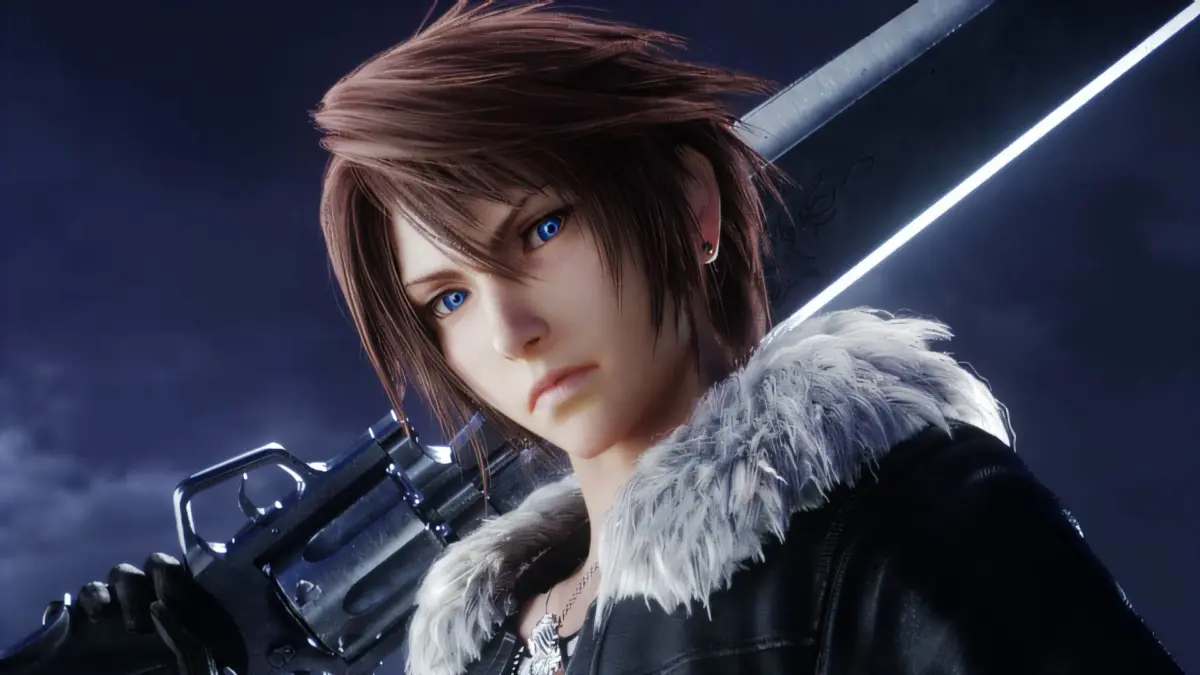
Square Enix’s signature HD-2D art style has captivated the hearts and eyeballs of role-playing game fans ever since the release of Octopath Traveler back in 2018. Now, the company is bringing that beloved aesthetic to its premier flagship franchise for the very first time with Final Fantasy Resonance. The newly released title pulls considerable inspiration from the mobile game Final Fantasy Brave Exvius, which ran a decade-long service from 2015 to 2025. However, Resonance completely eliminates all the gacha mechanics and microtransaction elements that heavily defined its free-to-play predecessor. In their place, Square Enix has introduced a charming 16-bit-inspired overworld map and traditional turn-based combat that serves as a direct throwback to the early, foundational entries in the historic Final Fantasy series.
This launch follows hot on the heels of June’s The Adventures of Elliot: The Millennium Tales, which marked Square Enix’s most recent major foray into retro-styled RPGs by blending fast-paced hack-and-slash action with Zelda-like exploration. While Elliot landed to a solid 78 on Metacritic, Final Fantasy Resonance appears to be meeting an even warmer commercial and critical reception as reviews continue to trickle in from major outlets across the industry.
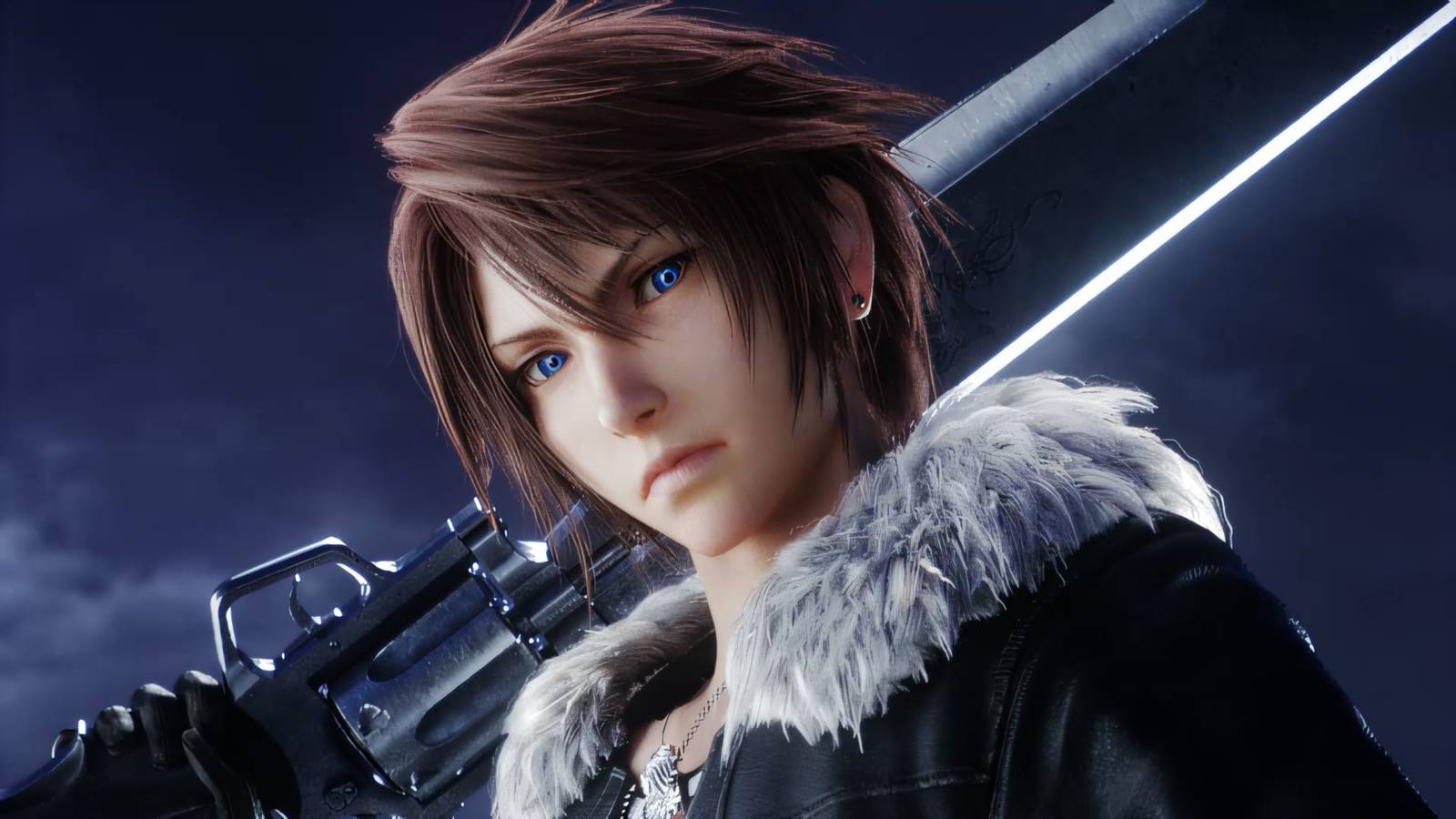
As it stands, the PlayStation 5 version of Final Fantasy Resonance is enjoying a strong critical consensus, sitting comfortably at an impressive score of 85 based on 30 reviews. Meanwhile, the newly minted Nintendo Switch 2 version is trailing just slightly behind, pulling in a respectable average score of 82 across 24 critic reviews. With the dust settling on launch day, critics have begun weighing in on what works, what falls short, and how Square Enix’s latest grand experiment handles the weight of its legendary legacy.
A Gorgeous Art Style
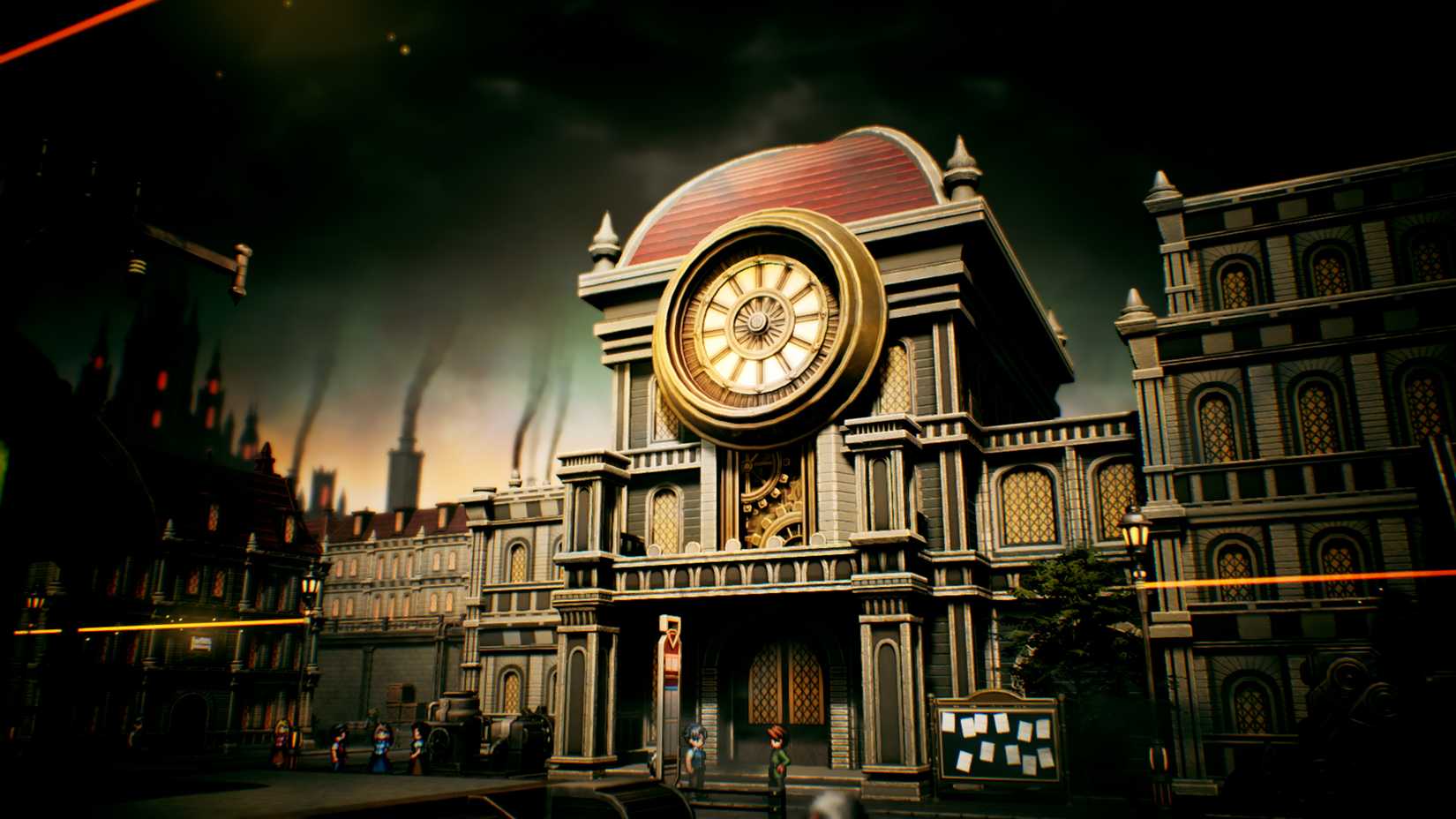
Pretty much across the board, critics and reviewers who spent time with Final Fantasy Resonance found themselves deeply enamored with the game’s striking visual presentation. Writing for Game Informer, Nadia Oxford offered high praise for the execution of the aesthetic, noting that the title wears its HD-2D look with total confidence. According to Oxford, Square Enix clearly took past criticisms of its graphical style to heart, and the effort has definitively paid off. She pointed out that while Resonance firmly belongs to the HD-2D family, its highly detailed character sprites and occasional jaw-dropping pixel-based "cinema" sequences help it stand distinctively apart from both the Octopath Traveler series and the recent Dragon Quest HD-2D remakes.

In his review for IGN, Michael Higham similarly highlighted the game’s seamless blend of 2D sprites and 3D environments as a definitive high point of the overall experience. Higham admitted that it usually takes a lot more than pure spectacle to win him over, but Final Fantasy Resonance proved to be a notable exception. He observed that during the game’s most critical junctures, the emotional beats are powerfully elevated by some of the finest cutscene direction seen in any HD-2D title to date. By employing dynamic camera movements within a three-dimensional plane, the game allows character sprites and pixelated special effects to coalesce through fluid animations that convey emotional depth far beyond what text dialogue could achieve alone. For Higham, the art style may have originally been born out of nostalgia, but Resonance successfully proves that the industry has moved past that phase, demonstrating that pixel art can pioneer evocative new ways to build immersive worlds and elevate storytelling.
However, the visual design is not entirely without its friction points. While the diorama-inspired aesthetic looks terrific at a glance, the implementation of a fixed camera occasionally works against the player during thorough exploration. In his review for Shacknews, Ozzie Mejia pointed out that wandering through towns locks the perspective into a static angle, making it difficult to gauge direction clearly at times. Mejia noted that environmental set pieces frequently obstruct the view, particularly when players are actively hunting for hidden treasure chests. While navigating towns should ideally be a relaxing and engaging part of an adventure like this, the rigid camera choice unfortunately stands out as a minor low point in an otherwise visually stunning journey.
A Lightweight Story
While praise for the visual presentation of Final Fantasy Resonance has been nearly universal, reviewers as a whole have expressed far more mixed feelings regarding the game’s overarching narrative and character writing. Writing for Eurogamer, Dom Peppiatt suggested that Resonance often feels more like a patchwork collage of previous series highlights rather than a truly distinctive, standalone entry in its own right. Peppiatt argued that the game tries hard to fit in alongside its esteemed siblings by adopting familiar tropes without fully understanding why those elements worked so effectively in the original titles, ultimately leaving players with a somewhat unfocused grab-bag of ideas.
Echoing these concerns, Dave Aubrey of VGC noted that the fresh cast of characters frequently takes a frustrating backseat to longtime franchise favorites, even within a narrative that is ostensibly supposed to belong to the newcomers. Aubrey pointed out that aside from one major exception, the vast majority of party members fade into the background past the specific chapter in which they are introduced. They function adequately as mechanical roster choices that expand tactical options during combat encounters, but rarely develop beyond that baseline utility.
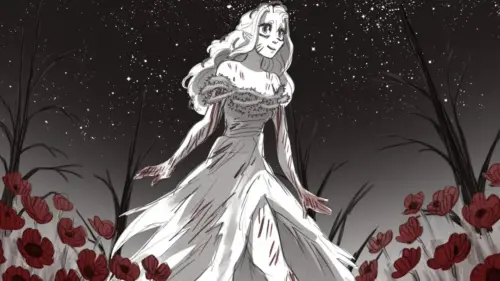
These exact narrative sentiments were further echoed by Willa Rowe in Polygon’s own review of the game. Rowe observed that when Resonance manages to find its narrative rhythm, it is fully capable of delivering moments of genuine emotional catharsis. One particular standout sequence highlighted by Rowe centers around a priestess reminiscent of iconic figures like Aerith or Yuna, who struggles to balance the heavy burden of her religious duty with a deeply human desire to live life for herself. Too often, however, the game’s heavy-handed tendency to invoke memories of other classic Final Fantasy titles only invites unfavorable comparisons that ultimately work against Resonance and dilute its own unique identity.
Leave a Reply