

Samsung’s latest wave of foldable devices has enjoyed an undeniably strong market reception. While the standard Galaxy Z Fold 8 took the industry by storm with its refined ergonomics and consumer-friendly form factor, the tech giant may already be looking far beyond its current generation. According to recent supply chain and industry leaks, Samsung is quietly preparing for what could become its most ambitious and diverse hardware rollout to date, setting the stage for an expansive foldable lineup by the year 2027.
A notable rumor shared on X by tipster TheGalox suggests that Samsung is gearing up for its biggest foldable lineup ever in 2027, a claim subsequently highlighted by industry publications like 9to5Google. Leading this alleged hardware stampede is the rumored Galaxy Z TriFold 2. This potential device would serve as the spiritual and direct successor to the original Galaxy Z TriFold—a pioneering experimental multi-fold device whose production was reportedly halted by Samsung after a brief three-month run. Despite the short-lived commercial availability of its predecessor, Samsung appears determined to refine the multi-fold concept into a more durable, commercially viable product.
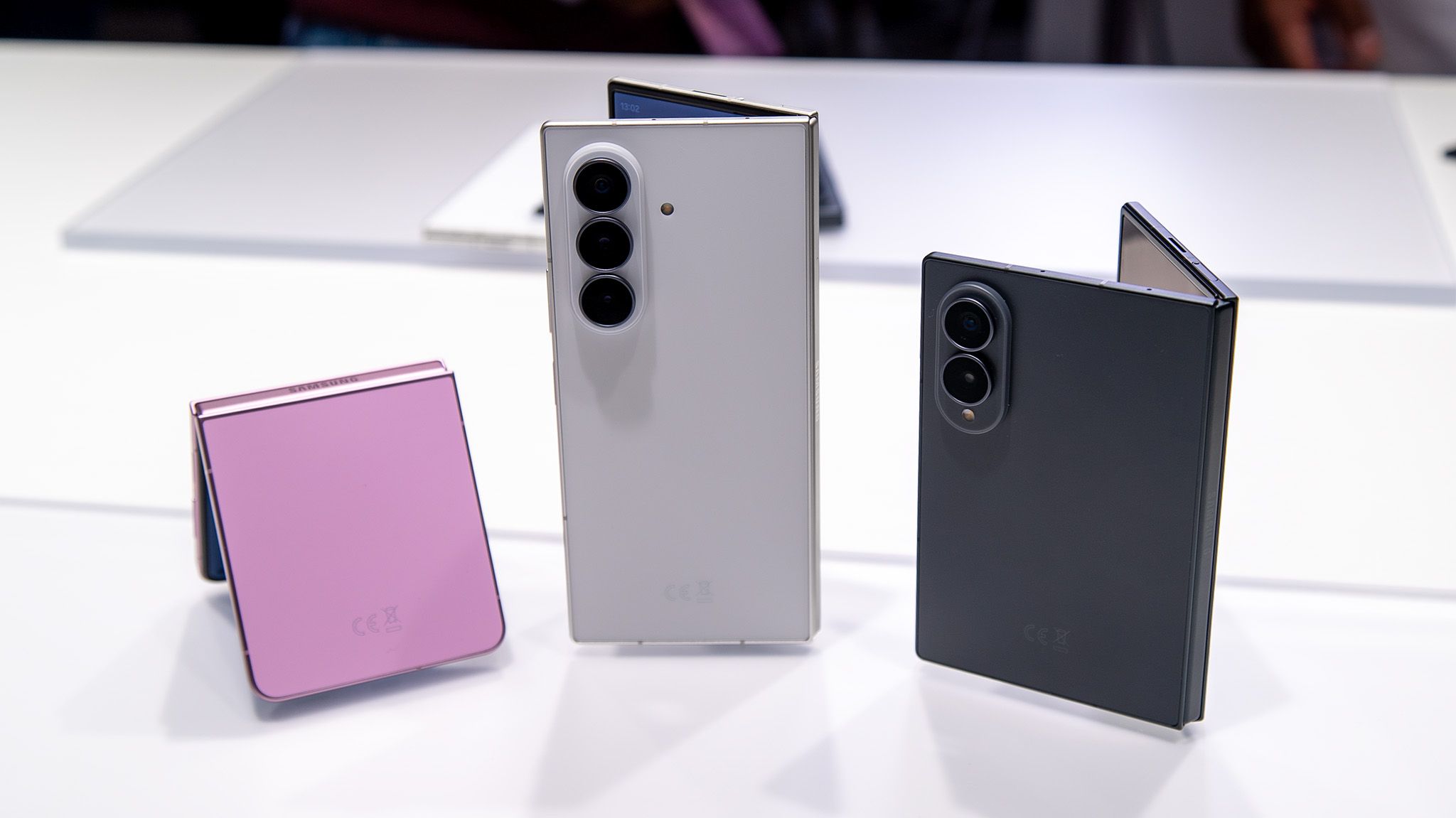
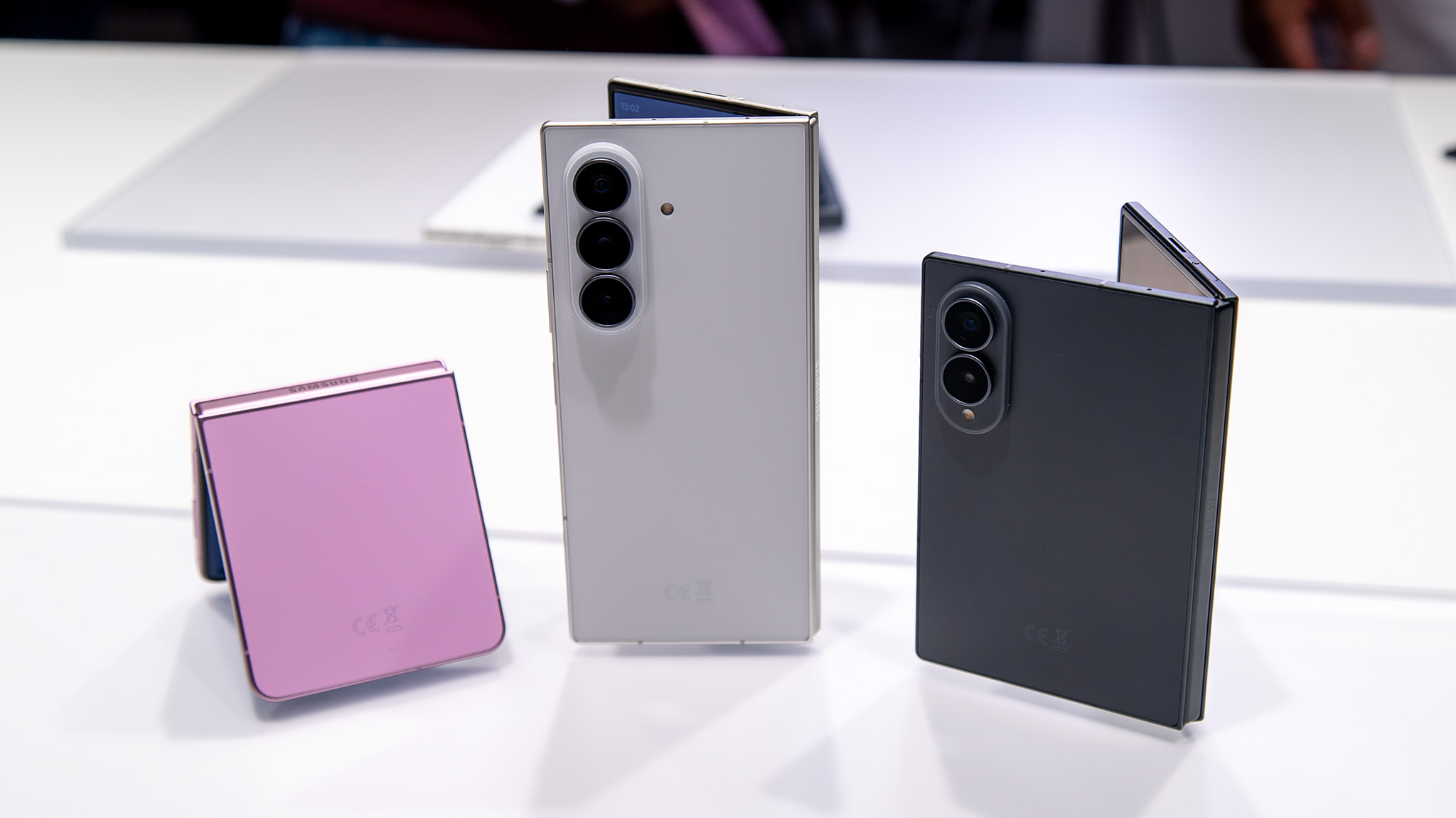
Beyond the multi-fold category, the tipster indicates that Samsung’s more traditional foldable offerings could also see significant diversification. Currently, the manufacturer’s commercial lineup is anchored by three primary models: the Galaxy Z Fold 8, the larger book-style Galaxy Z Fold 8 Ultra, and the clamshell-style Galaxy Z Flip 8. However, rumors point toward the potential introduction of an entirely new tier positioned somewhere in the middle: a hypothetical "Galaxy Z Fold 9 Pro."
Industry analysts and consumers alike are currently left guessing how Samsung intends to position a "Pro" variant within an already crowded hierarchy. Questions remain regarding how such a model would successfully differentiate itself from both the standard Galaxy Z Fold 9 and the top-tier Ultra variant without cannibalizing sales or confusing potential buyers. At the same time, a successor to the Flip line—presumably the Galaxy Z Flip 9—is widely expected to join the family, carrying forward the compact design philosophy that has made flip-style foldables popular among mainstream consumers.
Sliding into 2027?
Perhaps the most intriguing and speculative aspect of the 2027 roadmap is the rumored introduction of an entirely new form factor: the "Galaxy Z Slide." While the prospect of a rollable or slidable device captures the imagination of tech enthusiasts, it also brings a familiar shadow of uncertainty. Concepts that look striking on a convention floor do not always translate seamlessly into reliable, mass-market consumer electronics. Furthermore, as component costs climb across the entire smartphone industry, pricing and practical utility remain major question marks for any radical new display technology.
To understand where a rollable or slidable smartphone might originate, industry observers often look back at Samsung Display’s technological showcases, such as CES 2025. During the event, Samsung Display exhibited several futuristic display prototypes that hinted at the future of mobile form factors. Among them were the "Slidable Flex Duet" and the "Slidable Flex Solo" concepts.
The Slidable Flex Duet concept demonstrated a mechanism allowing users to expand the screen outward simultaneously from both the left and right sides. In its compact state, the device maintained a manageable 8-inch footprint, but pulling out the display expanded the viewing area to an impressive 12.4 inches, offering tablet-grade screen real estate in a pocketable device. Alternatively, the larger Solo concept showcased a display capable of extending from 13 inches to 17.3 inches, leaning more toward rollable laptop or portable monitor use cases.
Whether Samsung will commercialize a pocket-sized smartphone iteration of these sliding technologies remains to be seen. Industry trackers emphasize that prototype displays serve primarily as a baseline to explore engineering possibilities rather than a firm commitment to a specific retail product. Nevertheless, the presence of these concepts in Samsung’s research and development pipeline fuels continuous speculation about how the company plans to move beyond traditional folding hinges.
Building on Lessons Learned
The momentum behind multi-fold and advanced display technologies accelerated noticeably following broader market shifts, including competitor hardware launches like Apple’s rumored folding and multi-display initiatives. Whispers of a TriFold sequel began circulating rapidly as brands jockeyed for positioning in the ultra-premium mobile segment.
According to ongoing supply chain murmurs, the anticipated Galaxy Z TriFold 2 could make its commercial debut as early as 2027, boasting a significantly thinner, lighter, and more structurally durable chassis than its predecessor. Yet, overcoming engineering hurdles for multi-fold screens comes with steep financial implications. Industry analysts suggest that advanced triple-screen devices will likely command an exceptionally hefty price tag, potentially hovering around the $2,800 mark, which could restrict the form factor to early adopters, enterprise users, and enthusiasts willing to pay a premium for cutting-edge innovation.
As Samsung continues to balance experimental display research with the practical demands of everyday consumers, the path toward 2027 promises a fascinating evolution in mobile hardware design. Whether through refined book-style foldables, multi-fold tablets, or sliding screen technology, the South Korean electronics giant appears intent on exploring every possible avenue to maintain its leadership in the foldable market.



Leave a Reply