
The digital community surrounding Opensource.com has quietly entered a period of intense behind-the-scenes activity, signaling that something entirely new is on the horizon. Visitors to the long-standing publication may have noticed a distinct reduction in publishing frequency over recent weeks. That quiet period is the direct result of collaborative work currently underway to shape the next phase of the project. While specific operational details and final launch plans remain under wraps for the moment, the underlying themes driving this transition offer plenty of substance to discuss. And there is arguably no better lens through which to examine the future of open source collaboration than the very structure of the internet itself.
The Internet, and Top-Level Domains
To understand where the community is heading, it helps to revisit the foundational architecture of the global network. By definition, a network is a structured group of connections—a concept embedded directly into the portmanteau "internet," which merges "interconnected" and "network."
In its earliest iterations, the internet was a relatively modest construct, consisting primarily of two distinct segments: a military network and an academic network. As digital technology advanced and public interest surged beyond those initial institutional boundaries, the necessity for clear organizational designations became immediately apparent. Stakeholders needed a reliable way to differentiate between a commercial entity, a charitable organization, a university, and a governmental department.
These critical designations evolved into what the digital world now knows as top-level domains, or TLDs. While the modern domain name system offers a vast array of specialized extensions, the ecosystem spent a significant portion of its history operating on just a handful of primary choices. Those original top-level domains remain remarkably popular and culturally embedded in daily web usage. Most internet users recognize almost instinctively that navigating to a .com address typically leads to a commercial enterprise, whereas visiting a .org address signifies a connection with a non-profit organization or public-interest group. These suffixes do more than just route traffic; they tell a story about the identity and purpose behind the digital space.
Open Source Is a Network
That concept of identity and purpose brings the conversation directly to open source, a movement that defies simple categorization. Open source can manifest in many forms. It can drive commercial products and enterprise software, power non-profit initiatives, support academic research, or foster cultural exchange and creative expression.
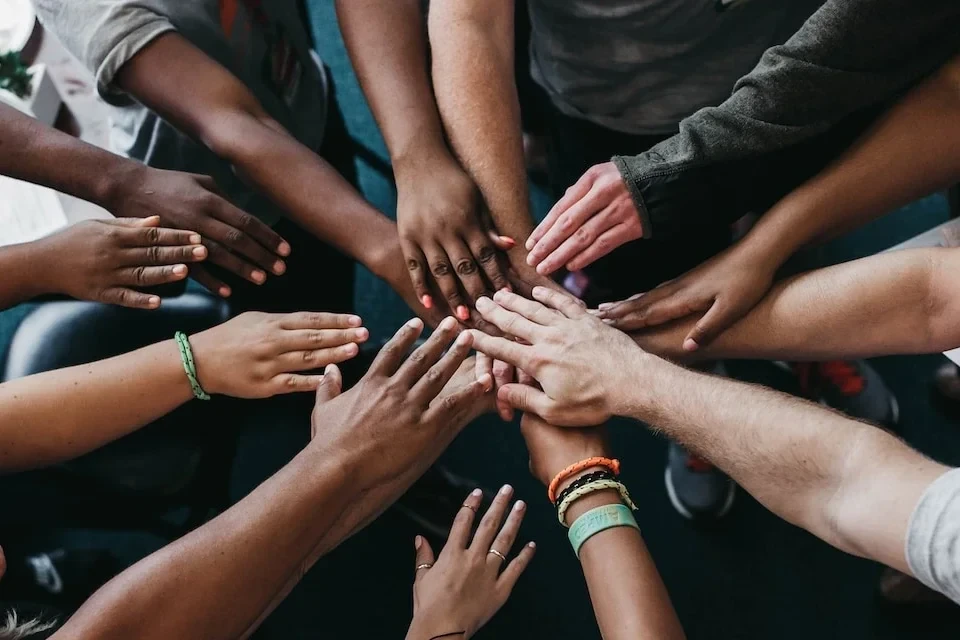
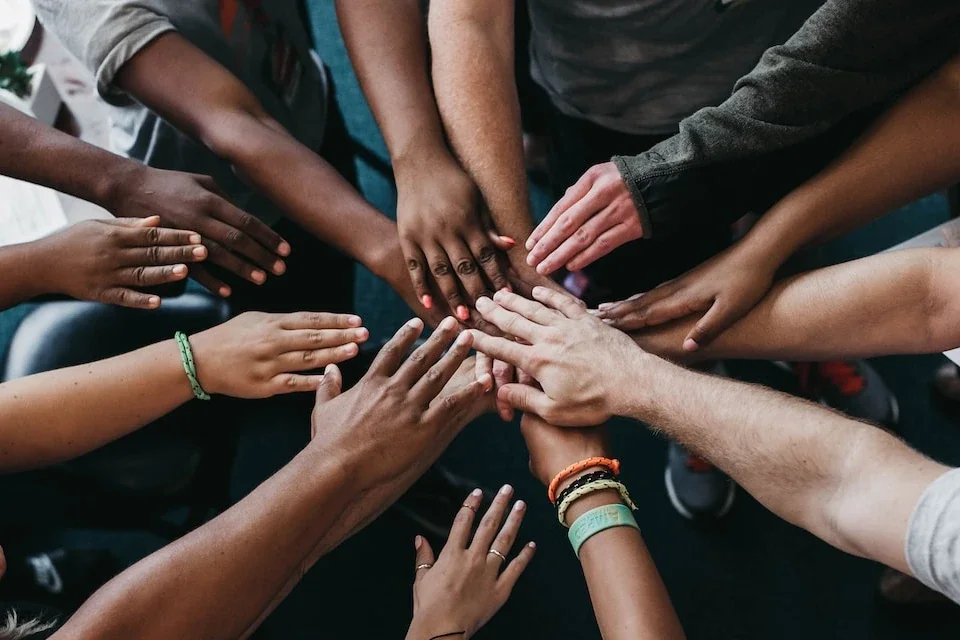
Regardless of the specific form it takes in any given instance, open source remains fundamentally a network. At times, that network relies on physical computers, servers, and distributed code repositories. More importantly, however, it is fundamentally a network of people.
Whether community members are gathering in person at an international conference, meeting informally at a local venue, or collaborating asynchronously in online chat rooms and discussion forums, the open source ecosystem is defined by human relationships and shared dedication. It is a vibrant community of individuals working toward common goals through transparency and cooperation.

For the past twelve years, the website Opensource.com has received backing and operational support from a commercial entity. Yet, the human element—the actual contributors, readers, and participants who breathe life into the platform—cannot be reduced to a corporate designation. The community is made up of people, not commercial entities.
Resolving that structural misalignment has been a priority for the people driving the project forward. In just one month, Opensource.com is set to roll out the solution to that long-standing puzzle, marking a significant milestone for everyone involved. As preparations continue behind the scenes, the community encourages participants and followers to stay tuned for upcoming announcements regarding the new chapter ahead.



Leave a Reply