
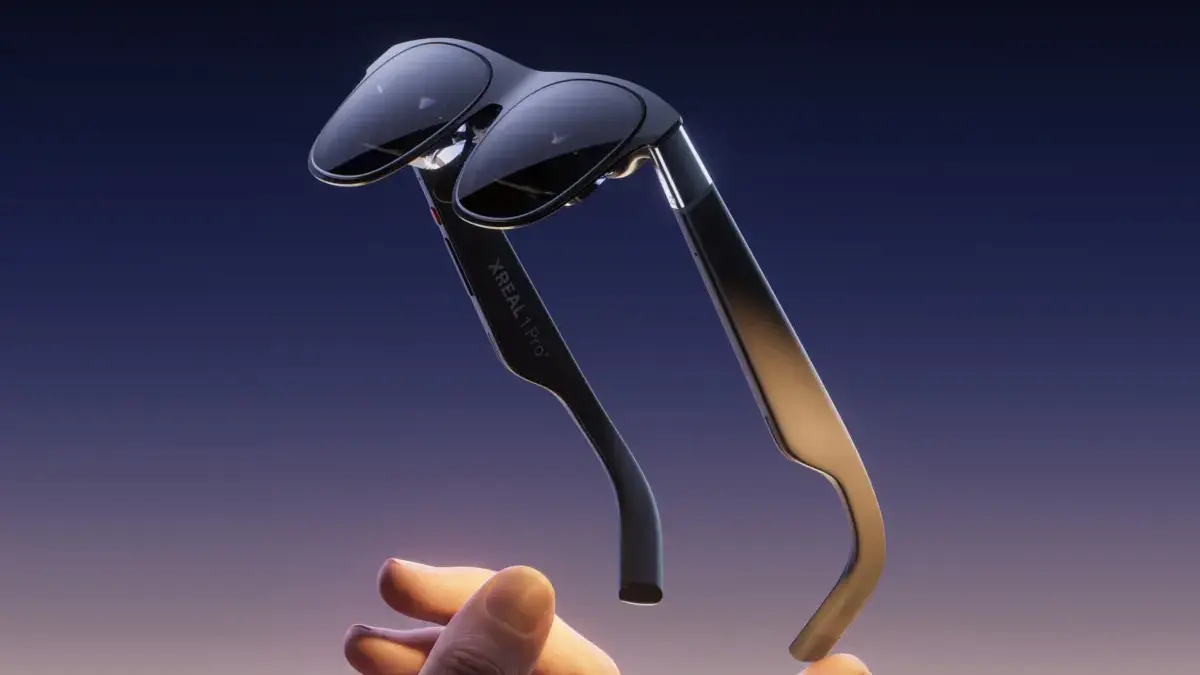
The landscape of wearable display technology and spatial computing continues to evolve at a rapid pace, and industry pioneer Xreal is once again pushing the boundaries of what consumers can expect from augmented reality hardware. The company has officially announced the launch of its latest flagship augmented reality glasses, the Xreal One Pro Plus.
While tech giants like Meta continue to experiment with various form factors and virtual reality mixed-reality ecosystems, Xreal has successfully carved out a distinct and highly practical niche. The company has long been at the forefront of the smart glasses category, championing a philosophy of lightweight, tethered display solutions that seamlessly integrate with users’ existing digital lives. Last year’s hands-on experience with the original Xreal One left industry reviewers deeply impressed by how effortlessly the hardware could project a crisp, private virtual monitor directly into the wearer’s field of view. By simply connecting through a standard USB-C cable, users could instantly transform almost any compatible smartphone, handheld gaming console, or laptop into an immersive spatial computing workstation or entertainment center.
Since that initial release, Xreal has continued to refine its hardware lineup, introducing iterations like the One Pro, which notably expanded the field of view and bumped up panel brightness to a respectable 700 nits. Now, the company is taking a significant leap forward with the Xreal One Pro Plus. This new iteration introduces a series of crucial upgrades aimed squarely at visual fidelity, display brightness, processing capabilities, and physical comfort during extended wear.
What You Need to Know
At the heart of the newly unveiled Xreal One Pro Plus are substantial upgrades to the internal display panels, addressing one of the most persistent challenges facing augmented reality hardware: outdoor visibility and contrast in brightly lit environments.
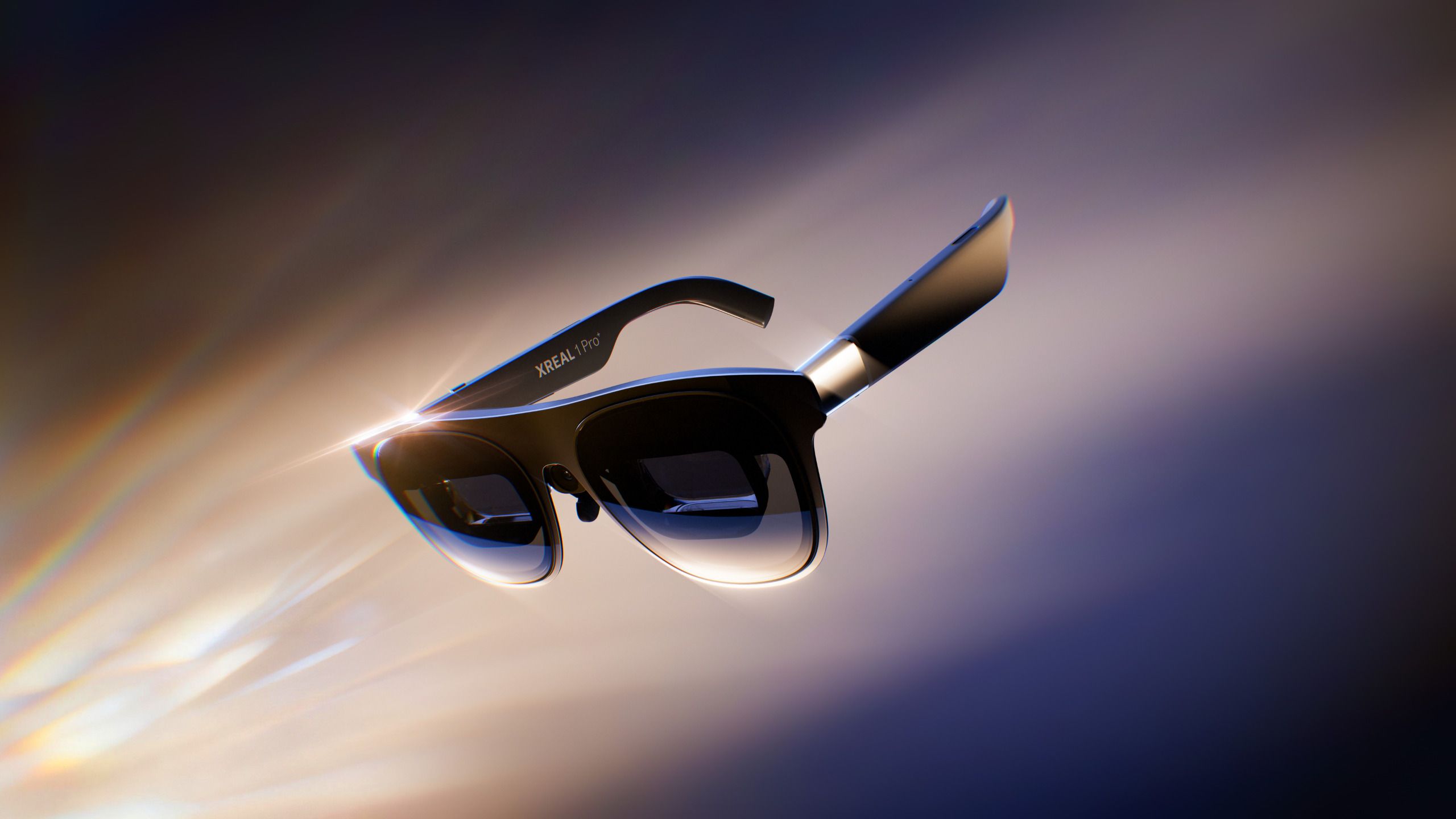
The most prominent engineering breakthrough in the One Pro Plus is the implementation of dual 0.55-inch Sony Micro-OLED panels. These advanced screens are capable of reaching a staggering peak brightness of up to 1,200 nits. This represents a massive seventy-one percent increase over the 700-nit ceiling of the previous generation model, ensuring that virtual screens remain vivid, clear, and easily viewable even when users are stepping outside or sitting in brightly illuminated rooms.
Complementing the hardware brightness upgrade is the introduction of AI-driven High Dynamic Range processing, commonly referred to as AI HDR. This intelligent software layer is designed to dynamically optimize contrast, shadow detail, and highlights across various types of media, ensuring that content viewed through the glasses looks punchier and more lifelike. Furthermore, Xreal has incorporated three distinct viewing modes into the device’s software suite: Standard, Movie, and Reading. These preset profiles give users granular control over the visual presentation, allowing them to optimize the display characteristics depending on whether they are engaged in productivity tasks, reading long-form text, or settling down to watch a cinematic feature.
The device also features an upgraded iteration of Xreal’s proprietary Real 3D engine. This hardware-accelerated processing feature is engineered to convert standard, flat 2D content into immersive spatial 3D on the fly. In the One Pro Plus, this engine has been enhanced to process content at up to 60 frames per second, doubling the 30fps limitation of the previous generation. This performance doubling is expected to deliver a dramatically smoother, more fluid visual experience, effectively eliminating motion jitter and making fast-moving video content and gaming significantly more comfortable to watch over long periods.
Beyond purely visual upgrades, Xreal has also directed considerable attention toward physical ergonomics and user comfort. Extended wear has historically been a hurdle for head-mounted displays and smart glasses, but the company has sought to mitigate fatigue with the One Pro Plus. The glasses feature a newly engineered nose pad geometry specifically designed to optimize weight distribution and improve how the frame rests against the user’s facial contours. This subtle yet critical design refinement aims to reduce pressure points, making the hardware considerably more comfortable during extended viewing, working, or gaming sessions.
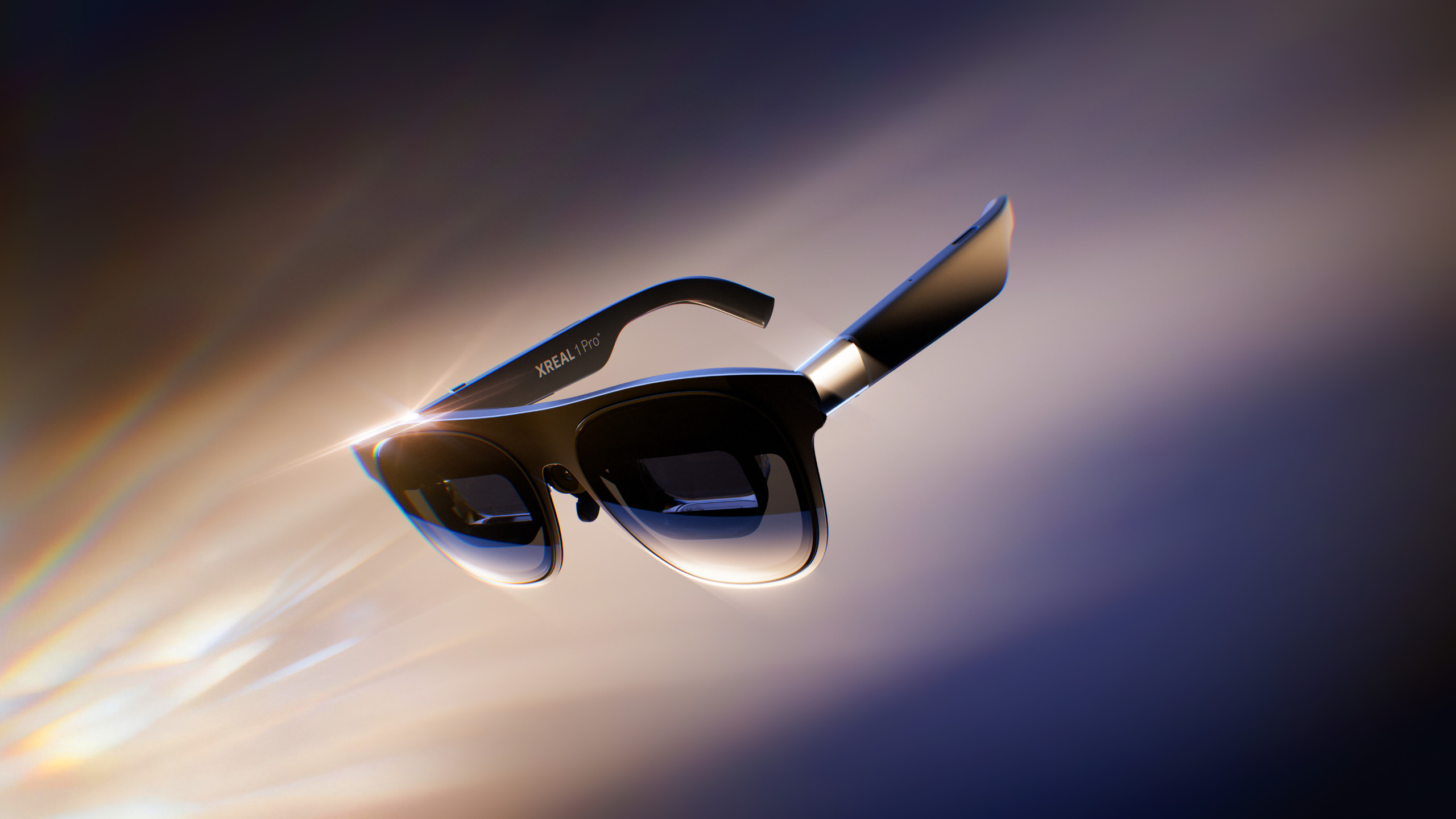
Despite these significant enhancements to the display panels, processing engines, and physical fit, the broader hardware architecture of the device remains largely consistent with its predecessor. The Xreal One Pro Plus continues to be powered by the company’s custom X1 spatial computing chip, which handles the complex tasks of spatial positioning and display management. Additionally, the glasses retain the wide 57-degree field of view established by the previous model, striking a balance between an expansive virtual screen size and a compact, wearable form factor that does not look overly bulky or unnatural when worn in public.
The Xreal One Pro Plus is available for purchase starting today, with an official retail price of $599. Consumers interested in acquiring the new augmented reality glasses can find them directly through Xreal’s official online storefront.



Leave a Reply