

YouTube Music is introducing new labels designed to inform listeners when generative artificial intelligence has played a significant role in the creation of a song. These indicators will appear directly on the music player interface, offering users a clearer and more immediate understanding of what they are listening to. With this update, audiences will no longer need to sift through detailed track descriptions or guess whether a particular piece of music was composed entirely by a human artist or generated by an advanced AI model.
The feature encompasses music created largely with artificial intelligence, including tracks where generative models contribute heavily to both the composition and the vocals. By simply tapping on one of the new labels, users can open a menu that provides more detailed information regarding the extent of AI participation in the track. According to YouTube, these transparency labels will eventually expand beyond YouTube Music and roll out to its main video platform as well, signaling a broader push for content disclosure across the entire ecosystem.
This move comes at a time when generative AI technology is advancing rapidly, making it easier than ever to produce music at scale. As millions of tracks flood digital platforms, the primary challenge for streaming services is helping listeners easily distinguish between AI-assisted work and fully AI-generated work, all without treating every application of AI in the creative process in the exact same manner.
To ensure accuracy, YouTube is employing a dual approach that relies on disclosures from its music partners alongside its own proprietary detection tools, rather than placing the entire burden on artists and music distributors to flag AI-created content. Through supported metadata workflows, industry partners can identify delivered tracks using three distinct categories: "Fully Gen AI," "Partly Gen AI," or "No Gen AI."
This important distinction recognizes that an artist using artificial intelligence to assist with a specific element of production—such as mastering, mixing, or generating a subtle backing texture—is fundamentally different from a song produced entirely by an algorithm. The labels are deliberately designed not to lump every AI-assisted track into a single blanket category, but rather to give listeners nuanced context about how technology was utilized in the creative workflow.
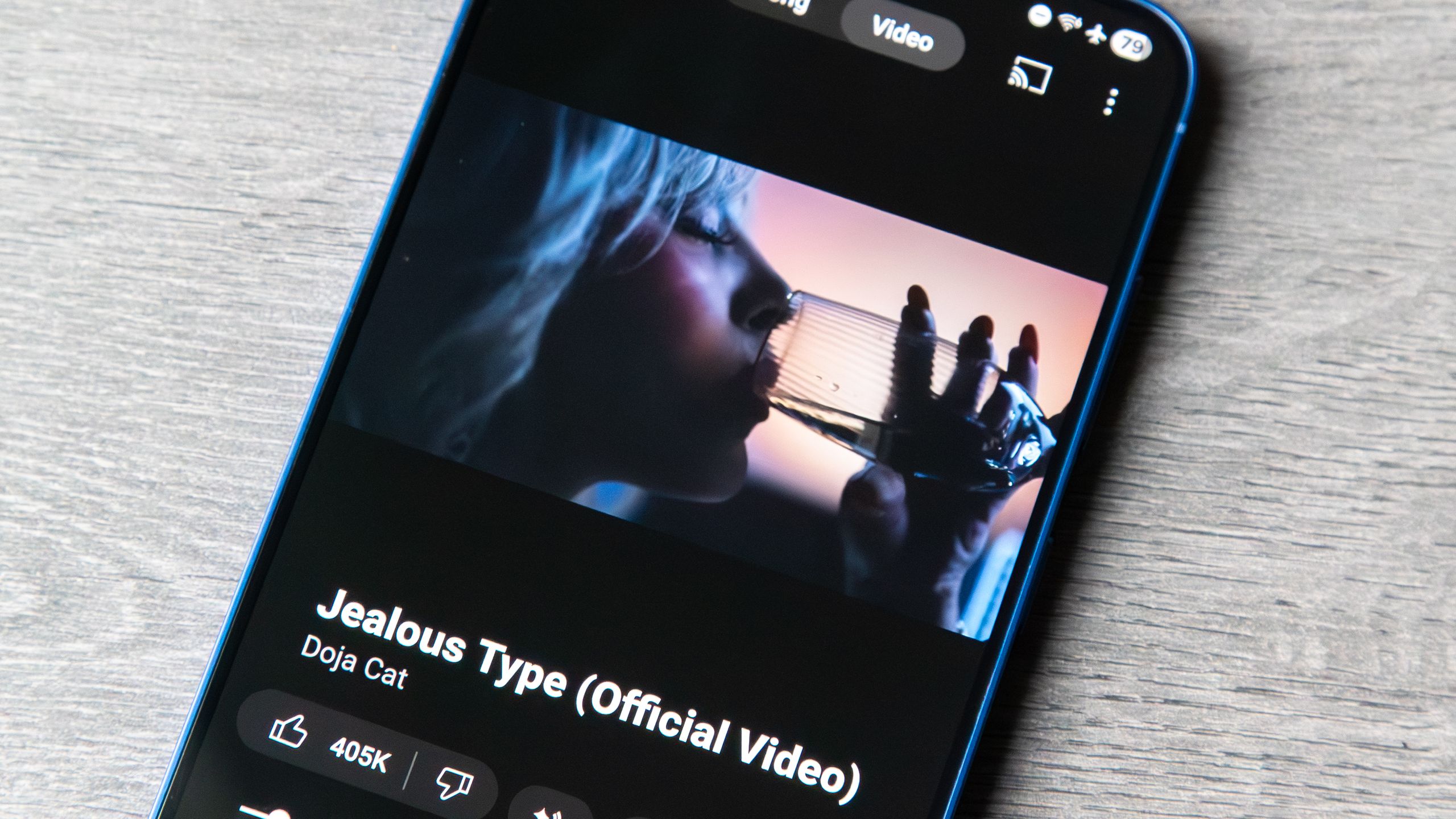
Furthermore, YouTube’s official support documentation indicates that the platform may deploy additional signals when partners fail to provide accurate AI information. If the system’s detection tools determine that a track contains content generated by artificial intelligence, the platform may automatically apply the fully or partially AI-generated tag. Consequently, leaving the disclosure field blank does not guarantee that a song will escape being labeled by the platform’s automated systems.
Not an AI-Free Listening Experience, But Transparency
Crucially, these new labels are not intended to serve as a prohibition on AI-generated music. YouTube is not banning algorithmic creations from its platform; instead, the company is choosing to empower listeners by providing more information on how individual tracks were made, allowing consumers to make their own informed decisions about what belongs in their personal playlists.
This approach places a vital spotlight on transparency as AI-generated music becomes increasingly prevalent across all major streaming platforms. As technology continues to blur the lines between human and machine creativity, giving audiences the tools to understand the origins of their media is becoming an essential part of the modern digital landscape.
The broader conversation around digital media consumption suggests a growing appetite for such clarity. Many listeners and consumers argue that having labels across all forms of online media—from music and videos to news articles and social media posts—would drastically improve the digital experience. While many people are not inherently opposed to content produced with the help of artificial intelligence, there is a strong desire to be informed beforehand so that individuals can form their own opinions rather than discovering the origin of the content afterward.
The introduction of these labels by YouTube Music represents a meaningful step forward in addressing the complexities of modern media consumption. As the feature rolls out to users worldwide, the success of the initiative will ultimately depend on the accuracy and reliability of the disclosures, ensuring that listeners can genuinely trust the information they see on their screens.



Leave a Reply