
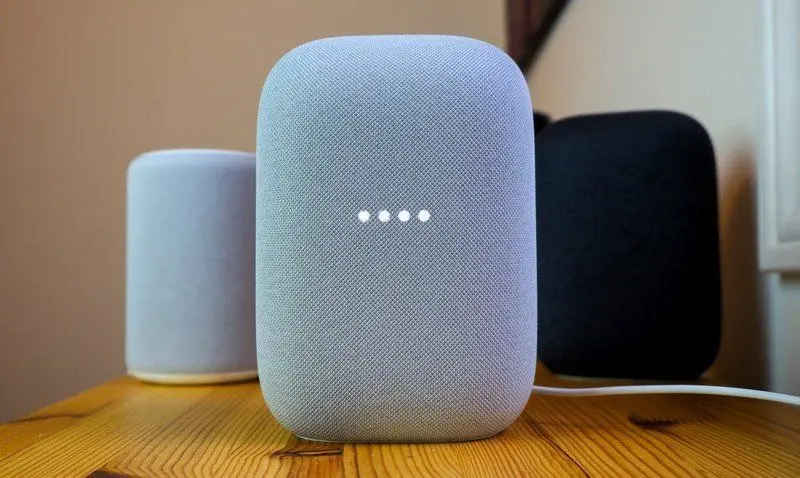
Google is extending a measure of support to some of its older smart speakers, rolling out a fresh software update designed to enhance their day-to-day utility around the house. While the move will be welcomed by households that have invested in the tech ecosystem over the years, users should temper expectations regarding any dramatic hardware transformations. The update is intended to refine the user experience rather than reinvent aging devices that have been fixtures in living rooms and kitchens for nearly a decade.
The new firmware, designated as version 3.79.550760, has entered its testing phase and is currently being deployed to participants in Google’s Home Preview Program. This initial rollout covers a notable swath of legacy hardware, including the original Google Home speaker released back in 2016, the compact Home Mini, the subsequent Nest Mini, and the larger Nest Audio. However, the premium Google Home Max is notably absent from this particular round of testing, leaving its status uncertain for now.
This software release arrives as Google continues to refine its broader smart home experience. The company has faced ongoing consumer demand for voice commands and connected household devices that operate seamlessly together, minimizing the friction often associated with smart home configurations. Achieving this integration is particularly challenging when dealing with older smart speakers, which must remain functional even as Google’s newer hardware ecosystems and backend software architectures continue to evolve at a rapid pace.
The longevity of these devices is a testament to their initial build quality, but it also presents a unique challenge for software developers. The original Home Mini debuted in 2017, followed by the Nest Mini in 2019 and the Nest Audio in 2020. These speakers are still remarkably capable when it comes to handling everyday requests, such as setting kitchen timers, checking basic weather reports, or playing background music. Yet, because of their age, they naturally do not receive the same focal attention from product developers as Google’s latest flagship releases. Nevertheless, targeted software updates can significantly extend their practical usefulness, saving consumers from prematurely discarding hardware that still performs its core functions adequately.
For current owners, the central question revolves around whether these incremental changes will merely keep existing speakers ticking over or genuinely make them more reliable and convenient in daily use. Smart speakers are fundamentally only as robust as the virtual assistants powering them from the cloud. Consequently, Google’s ongoing software maintenance and backend updates could prove vital in helping older Nest speakers remain relevant, even as newer hardware options and advanced features flood the market.
At the same time, practical limitations remain. Software updates can only bridge the technological gap by so much when dealing with aging internal components. While older speakers are more than capable of managing basic smart home routines and streaming audio across rooms, anyone anticipating a major, generational upgrade in performance or capability should adjust their expectations accordingly.
Google’s latest moves demonstrate that the tech giant has not entirely abandoned its legacy Nest hardware lineup. This reassurance comes as welcome news for consumers who prefer a sustainable approach to consumer electronics—keeping a perfectly functional speaker in service rather than replacing it simply to stay current with the latest product generation. It highlights a growing consumer preference for longevity and software support over constant hardware upgrades in the smart home category.
Owners Can Join the Preview
For users who are eager to test the latest firmware firsthand, the process involves navigating through the official Google Home app. Owners can tap on their specific speaker within the device list, navigate to the settings menu, check the device information section, and locate the preview program option to sign up if their hardware is eligible. Once enrolled, the firmware is designed to install automatically overnight without requiring manual intervention. Google anticipates rolling out the update to a wider audience over the coming weeks, though the company has not yet provided a specific calendar date for the general public release.
This speaker-focused update also coincides with a separate, broader October Google Home software update. That parallel update focuses on refining the integration of Gemini for home conversations, enhancing the accuracy of voice commands, improving weather response delivery, and streamlining device controls directly within the mobile application. Together, these updates reflect Google’s ongoing efforts to maintain a cohesive smart home ecosystem that bridges the gap between cutting-edge artificial intelligence developments and the legacy hardware already installed in millions of homes worldwide.

Leave a Reply