
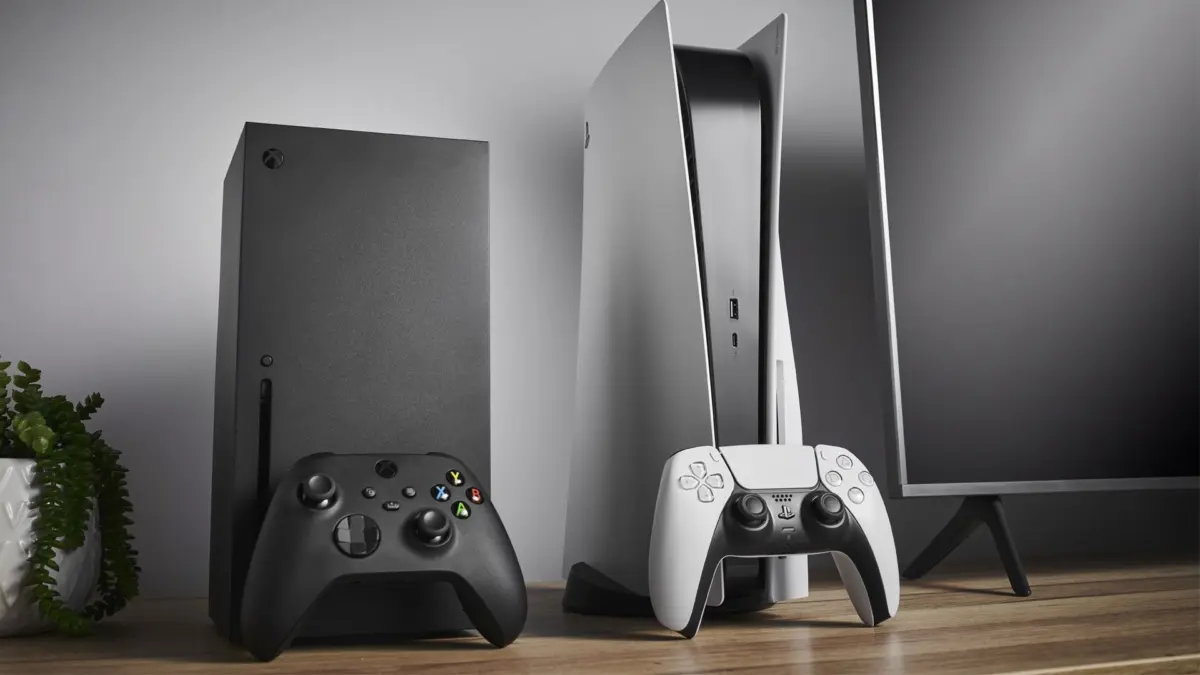
Video game console sales in the United States have suffered a dramatic downturn, with both the PlayStation 5 and Microsoft’s Xbox experiencing massive year-to-date sales drops through the end of August compared to the same period last year. The sobering figures point to a deepening slump in the dedicated hardware market, raising fresh questions about consumer demand, generational fatigue, and the shifting economics of modern gaming.
The sobering market reality was brought to light by Mat Piscatella, the prominent video game industry advisor at market research firm Circana. In a post shared on his official Bluesky account, Piscatella detailed the stark reality facing the industry’s two dominant traditional console manufacturers based on data from Circana’s U.S. Retail Tracking Service. According to the numbers, PlayStation 5 unit sales have plummeted by 25 percent year-to-date through August 2026, dragging the platform’s hardware performance down to its lowest point in over a decade. The last time the PlayStation brand saw figures this low at this point in a year was back in 2013, a unique historical window when consumers deliberately held off on purchasing current-generation hardware in anticipation of the imminent arrival of the PlayStation 4.
Meanwhile, the situation for Microsoft’s Xbox hardware ecosystem has proven even more severe. Retail figures for Xbox consoles have cratered by an astonishing 33 percent year-to-date through August, pushing sales numbers down to an absolute all-time low since the brand’s original market debut almost 25 years ago. The steep decline underscores the mounting challenges Microsoft faces in moving physical hardware units in the U.S. retail space, a trend that has steadily unfolded over the course of the current console generation.
The latest retail tracking data arrives as the current generation of hardware matures, entering a phase of its lifecycle where sales trajectories typically begin to flatten or rely heavily on price cuts, hardware revisions, and major software releases to stimulate consumer interest. However, the sheer magnitude of the double-digit percentage drops reported by Circana suggests that broader macroeconomic pressures, shifting consumer habits, and changing industry dynamics are playing a significant role in dampening enthusiasm for traditional console upgrades.
For Sony, a 25 percent year-to-date decline marks a notable cool-down for the PlayStation 5, which had enjoyed robust demand and supply-constrained momentum through much of its early years following its late 2020 launch. While the platform remains a powerhouse in terms of overall lifetime adoption and software engagement, dipping to levels not seen since the twilight months of the PS3 era highlights how difficult it is to sustain peak hardware momentum deep into a console cycle without fresh catalysts. Analysts have often pointed out that mid-generation hardware refreshes and high-profile exclusive software releases are critical for maintaining hardware velocity during these middle-to-late chapters, making the current sales slump a noteworthy hurdle for the platform holder.
The predicament facing Xbox is even more pronounced, reflecting a multi-year trend that has seen Microsoft increasingly pivot its overarching business strategy away from traditional hardware reliance toward a broader ecosystem-first approach. With the heavy promotion of services like Xbox Game Pass, cloud gaming initiatives, and the availability of first-party titles across multiple platforms, Microsoft has actively sought to decouple its financial success from the number of physical console boxes sold in retail stores. Nevertheless, a 33 percent year-to-date drop bringing sales to an all-time low for the brand nearly a quarter-century after the launch of the original Xbox demonstrates the profound difficulty of sustaining retail hardware relevance in an evolving marketplace where many players are opting to stick with existing hardware or transition to alternative gaming mediums.
The numbers shared by Circana provide an unvarnished look at the health of the physical retail hardware market in the United States, offering a clear statistical benchmark for how the industry is performing as it moves deeper into the second half of the decade. As publishers and platform holders alike navigate an increasingly complex economic landscape, the ongoing trajectory of hardware sales through the crucial upcoming holiday shopping season will likely determine how both Sony and Microsoft recalibrate their hardware strategies for the months and years ahead.


Leave a Reply