
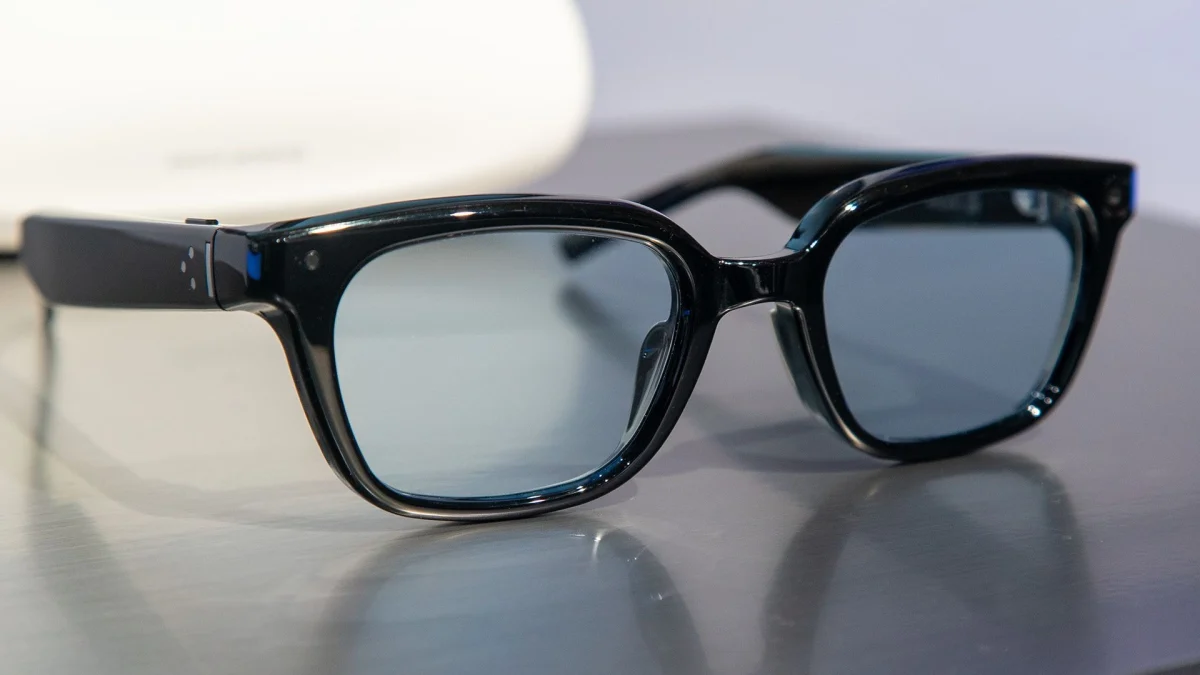
Samsung is finally pulling back the curtain on its highly anticipated entry into the smart eyewear market. Following initial teasers and a strategic showcase at a high-profile launch event in London, the tech giant has given the industry a clearer picture of when consumers can expect its upcoming Android XR-powered Galaxy Glasses to hit the market.
While the initial London presentation offered a relatively high-level overview without drowning attendees in granular technical specifications, it firmly established the product’s foundation. Samsung confirmed that the wearable will run on Android XR, Google’s dedicated extended reality platform, and will function primarily as a seamless companion extension to a user’s Galaxy smartphone rather than operating as a completely standalone computing device.
The strategy positions the hardware to leverage existing mobile ecosystems, ensuring deep integration with Samsung’s broader device portfolio. Industry watchers have noted that Samsung is expected to pack the glasses with exclusive Galaxy-centric capabilities, such as advanced watch gesture controls and instantaneous syncing capabilities with compatible smartphones.
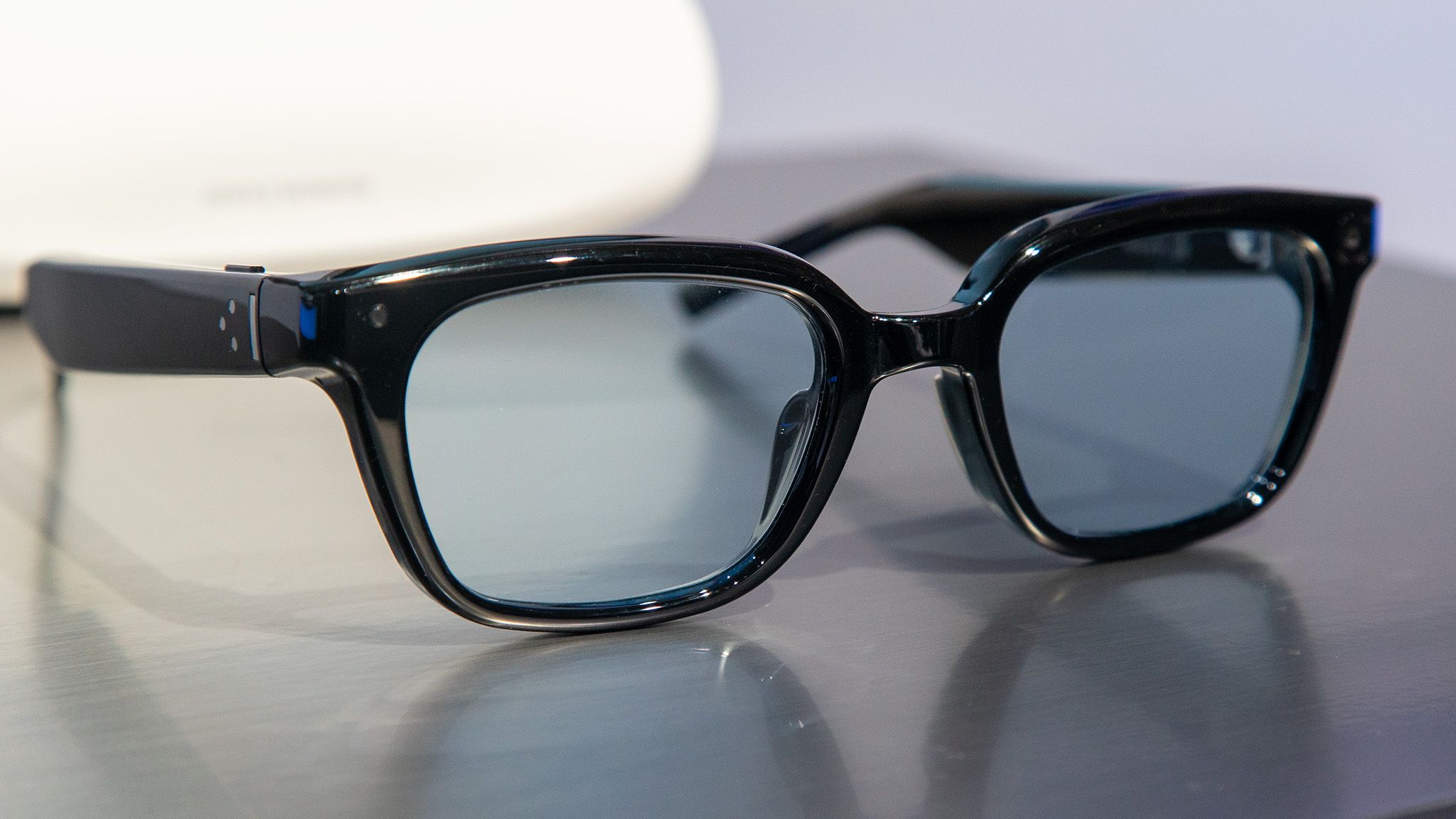
Now, fresh reports indicate that the wait is nearly over. According to details emerging from industry reports originating with The Korea Herald, Samsung has signaled that the Galaxy Glasses are slated for an official commercial launch in November of this year. With this targeted timeline, consumers and tech enthusiasts are only about a month away from witnessing the market debut of Samsung’s very first Android XR smart glasses.
The upcoming wearable is widely seen by market analysts as a direct and aggressive challenge to Meta’s current dominance in the lightweight smart eyewear sector, particularly the popular Ray-Ban Meta smart glasses. Although Samsung has kept many of the finer technical details close to the vest, the device’s feature set is expected to closely rival the competition.
According to available industry details, the Galaxy Glasses will incorporate a discrete built-in camera for capturing photos and videos from a first-person perspective, high-quality audio speakers for media playback and phone calls, and sensitive microphones designed for clear voice input. Furthermore, users will be able to leverage Google’s Gemini artificial intelligence assistant directly through the glasses, enabling hands-free access to conversational AI, contextual information searches, and voice-activated device commands while on the move.
Beyond the core hardware functionality, Samsung has previously announced strategic design partnerships with prominent eyewear brands Gentle Monster and Warby Parker. These collaborations suggest that the Galaxy Glasses will launch in multiple distinct frame styles and fashion-forward designs, ensuring that consumers will not be forced to compromise their personal style for the sake of wearing technology. By partnering with established names in the fashion and optical industries, Samsung aims to bypass the awkward, bulky aesthetic that has historically hampered the adoption of augmented reality and smart vision hardware.
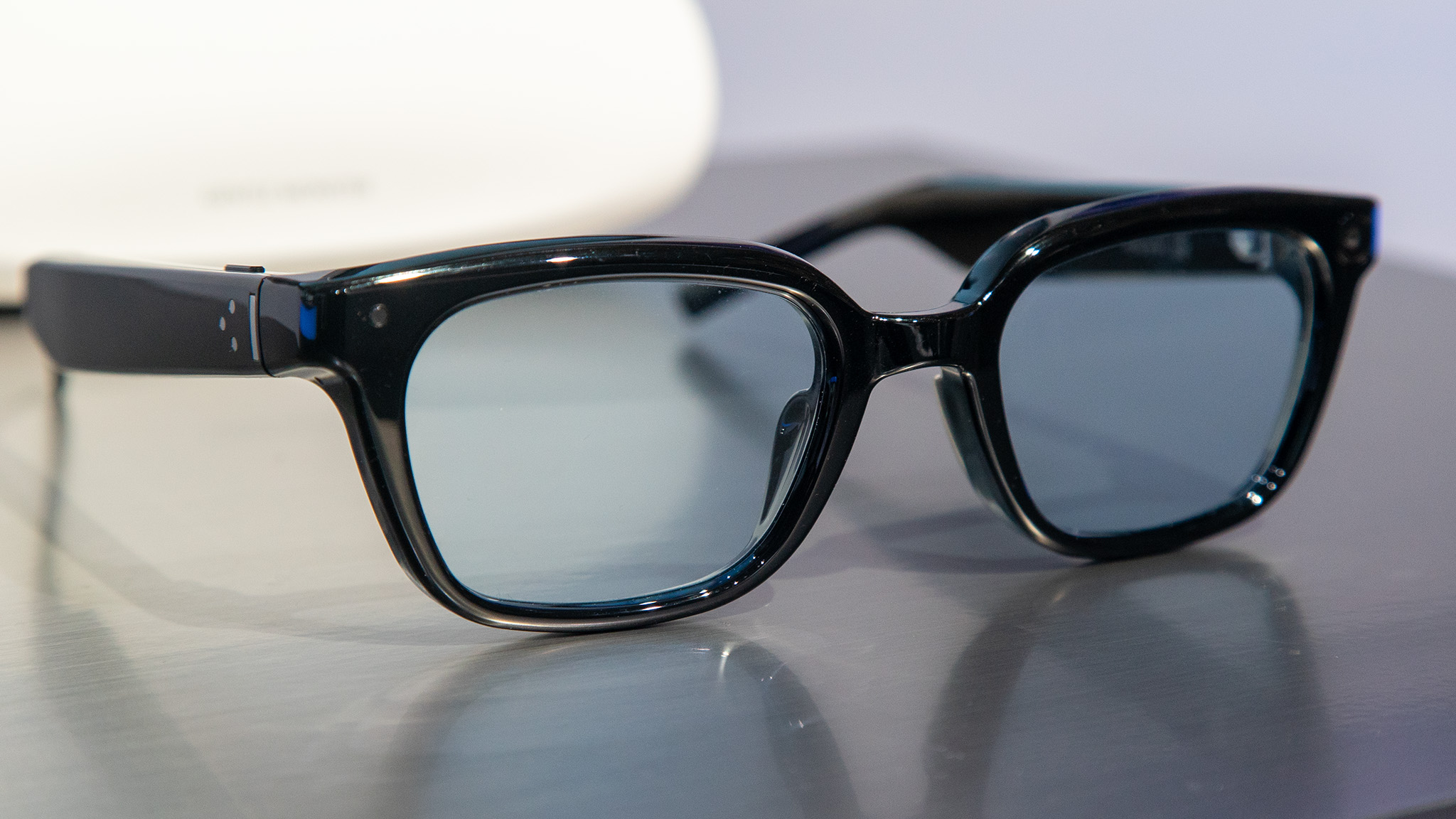
Pricing details remain one of the final major pieces of the puzzle. While Samsung has yet to officially announce retail pricing for the various models, previous industry reports suggest the company is targeting a "reasonable premium" price positioning. This strategy implies that the Galaxy Glasses could carry a higher price tag than the baseline $300 starting cost of Meta’s Ray-Ban smart glasses, reflecting the integration of advanced Android XR software, specialized display technology, and designer collaborations. Exact pricing and regional availability are expected to be confirmed by Samsung closer to the official November rollout.
As the rumored November launch window approaches, many questions remain regarding the full suite of software features, battery performance, and global market availability. However, with the release date looming just weeks away, consumers eager to see how Samsung’s vision for smart eyewear stacks up against the current market leaders will not have to wait much longer for definitive answers.

Leave a Reply