
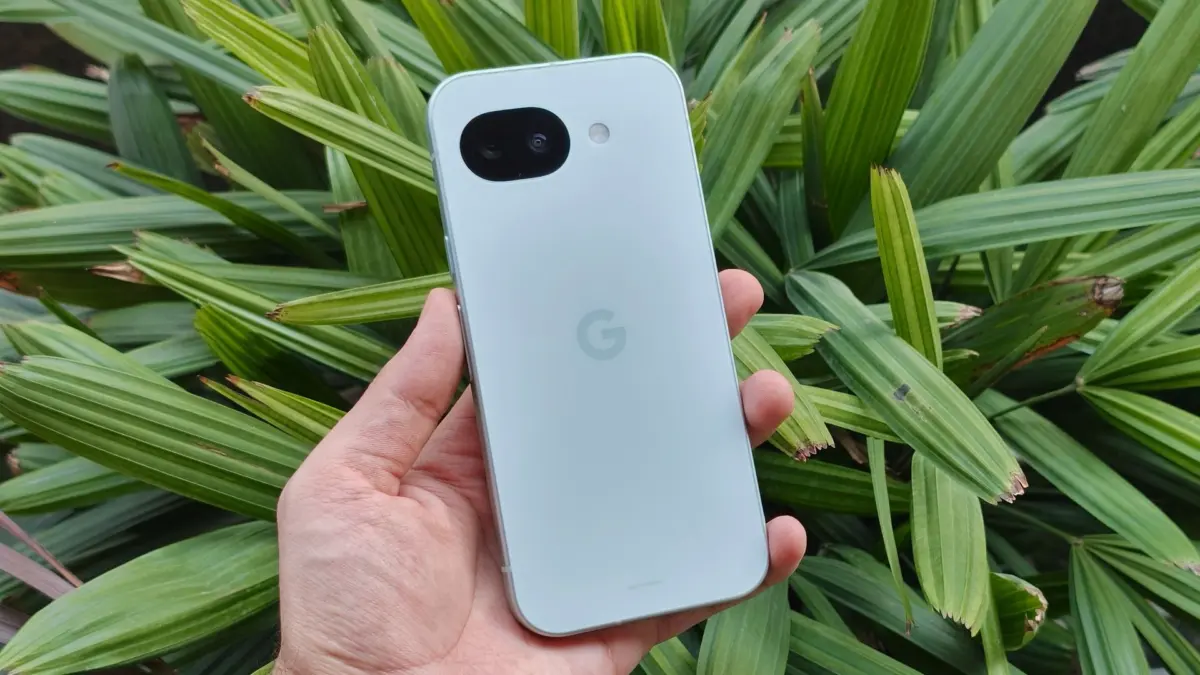
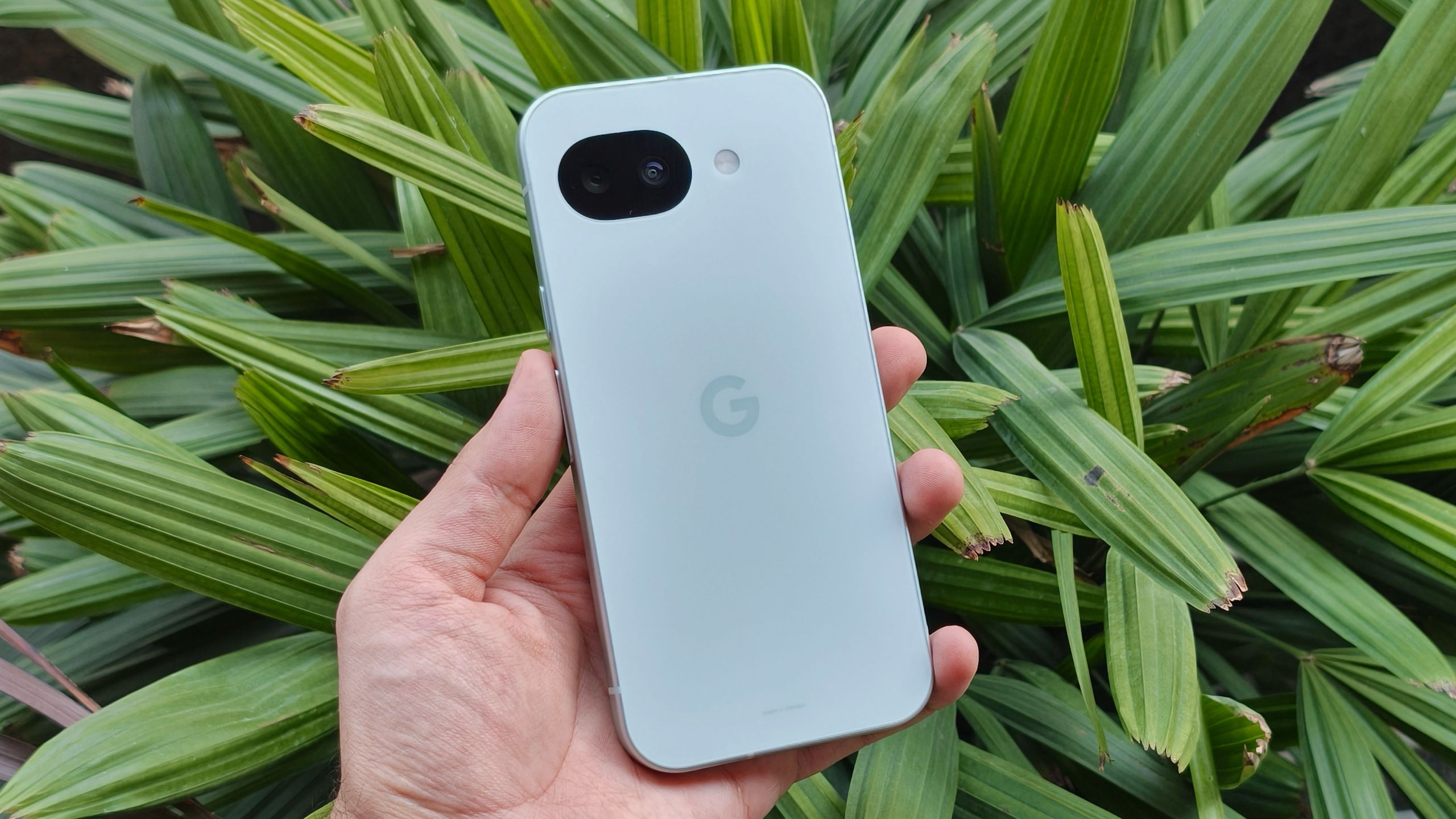
Google has officially increased the price of the Pixel 10a by $100, pushing the starting price of its popular mid-range smartphone to $599 in the United States.
The adjustment comes during a broader wave of industry-wide price adjustments. Just a day after Samsung rolled out price increases for several variants of its Galaxy S26 lineup, Google followed suit by adjusting the cost of the Pixel 10a. Originally launched at a competitive $499, the device is now officially available for $599 for the base configuration.
Google has not provided an official explanation or statement regarding the specific reasons behind the price increase. However, industry analysts and market observers point to steadily rising component costs—particularly for memory and RAM—as the primary driving factor behind the adjustment. These pressures have increasingly squeezed profit margins across the mobile industry, forcing manufacturers to pass costs along to consumers.
When Google introduced the flagship Pixel 11 series earlier this year, the company implemented a $100 price hike compared to the previous generation of flagship devices. At that time, the budget-friendly Pixel A-series remained untouched, offering a more affordable alternative for consumers looking for Google’s software and camera ecosystem without paying flagship prices. With the new price hike now affecting the Pixel 10a, that protective barrier for the mid-range segment has seemingly fallen away.
The pricing shift means the base 128GB model of the Pixel 10a now starts at $599 in the U.S., while the upgraded 256GB storage variant has climbed to $699. The updated prices have already taken effect across official sales channels, including the Google Store, as well as major retail partners such as Amazon and Best Buy.
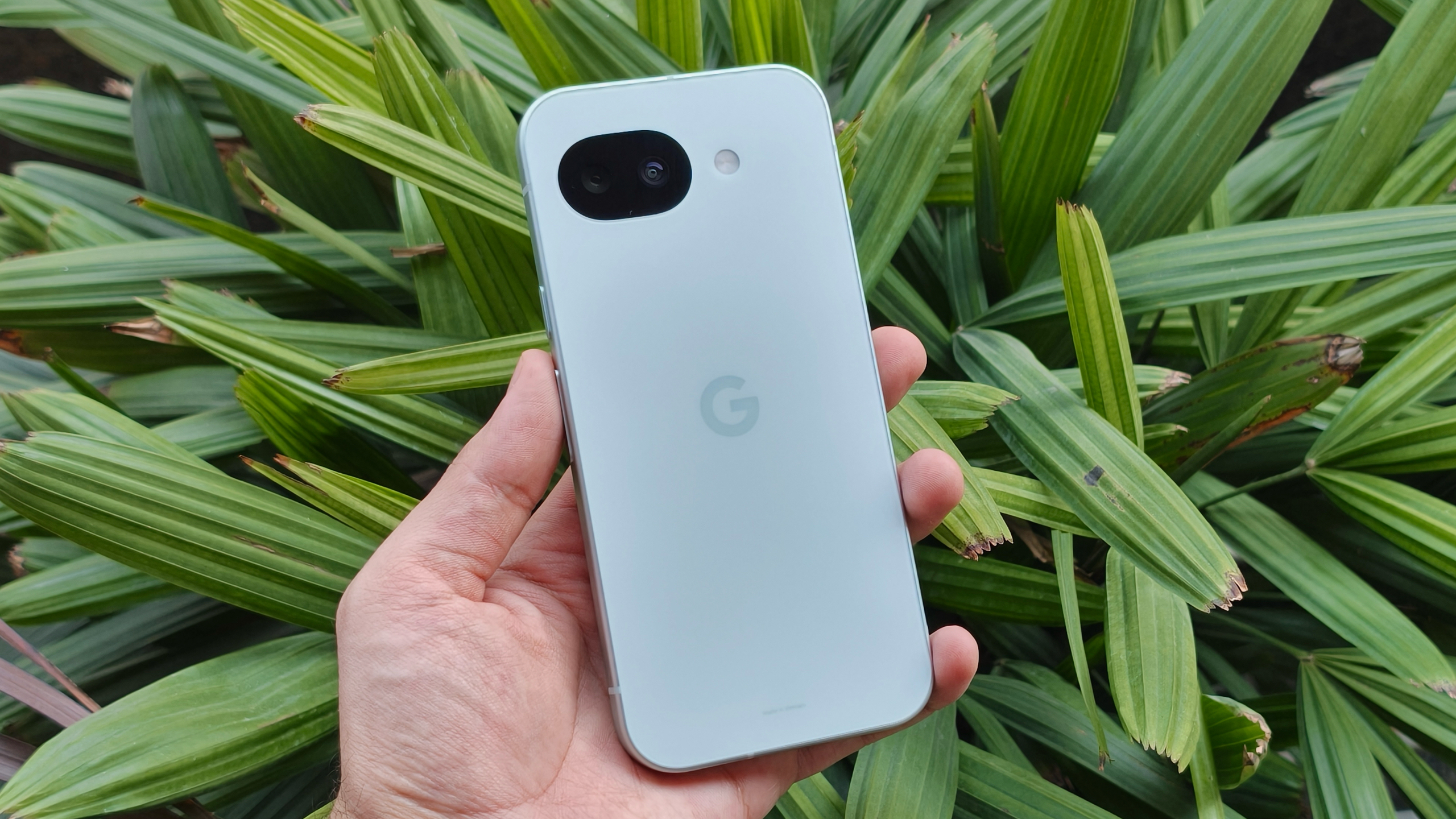
For consumers, the price increase is particularly difficult to swallow given that the Pixel 10a features modest generational updates compared to its predecessor, the Pixel 9a. Notably, the device relies on the Tensor G4 processor, the same silicon that first debuted inside the Pixel 9 series back in 2024. Rather than featuring a complete hardware overhaul, Google focused the Pixel 10a on targeted refinements, such as upgraded wireless charging capabilities and the inclusion of advanced satellite connectivity features.
While these enhancements add utility to the device, paying an extra $100 for a smartphone that shares much of its core architecture with a model that recently cost $499 represents a significant shift in value proposition for budget-conscious buyers.
Unfortunately, this price adjustment reflects the broader economic reality of the current smartphone market. Industry experts have long anticipated that mid-range and budget devices would eventually bear the brunt of rising global component and manufacturing costs. With the Pixel 10a crossing the $500 threshold and settling firmly at $599, that trend is now unmistakably playing out in real time, signaling that the era of sub-$500 entry points for premium-adjacent mid-range phones may be coming to a close.

Leave a Reply