
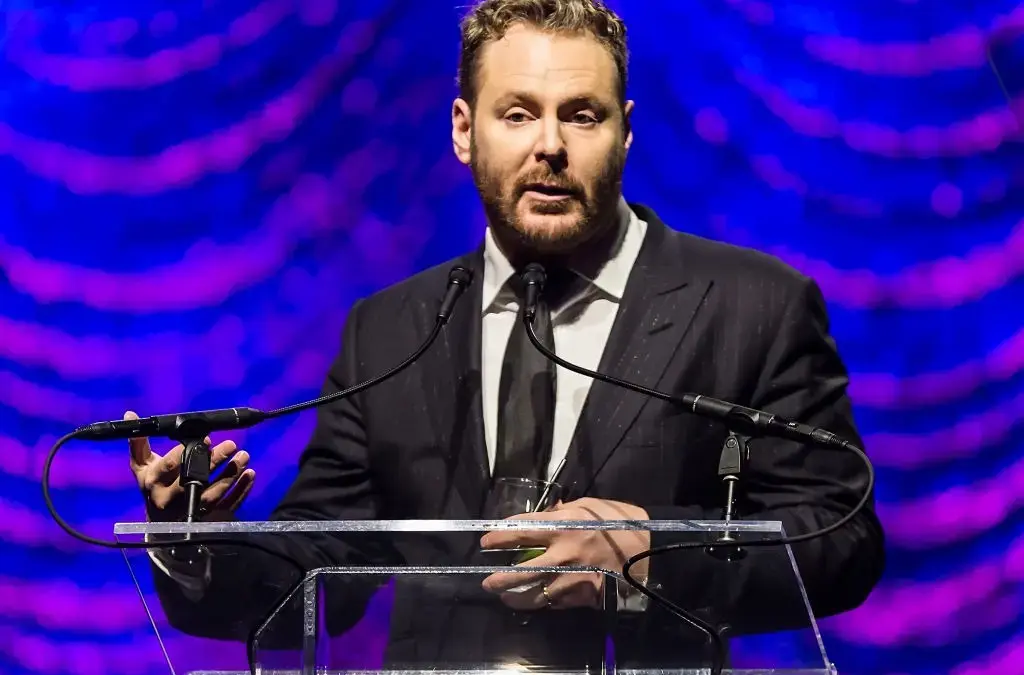
Tech billionaire and entrepreneur Sean Parker is staging a high-profile return to the music industry more than two decades after he upended the traditional landscape with file-sharing pioneer Napster. This time, however, the co-founder is taking a drastically different approach, emphasizing collaboration rather than disruption as he seeks to reshape the future of audio creation using artificial intelligence.
In a recent interview, Parker candidly acknowledged that his previous philosophy of asking for forgiveness rather than permission—which famously sparked an existential crisis for the recording industry during the early days of peer-to-peer file sharing—did not work out so well the first time around. Today, as he spearheads a new strategic direction for Stability AI, he is firmly committed to playing by the rules, forging formal partnerships with major record labels, and ensuring that creators and copyright holders are compensated and involved from the ground up.
The strategic pivot represents a fascinating evolution for both Parker and Stability AI, the prominent image-generator startup that nearly collapsed two years ago amid severe financial strain and internal executive turbulence. The company faced near-insolvency following excessive overspending and a wave of internal chaos that ultimately led to the ouster of its original founder, Emad Mostaque. In response to the crisis, Parker stepped in, joining an $80 million rescue effort to stabilize the struggling enterprise and put it on a sustainable trajectory.

Following that financial rescue, Parker enlisted his longtime friend Prem Akkaraju to take the helm as chief executive officer. Together, Parker and Akkaraju have spent the subsequent months quietly restructuring the organization, shedding unprofitable distractions, and charting a clear course for the future. The result of that behind-the-scenes work is now coming to light, with the leadership team unveiling a definitive strategy to transform Stability AI into the premier, go-to artificial intelligence toolmaker specifically tailored for music professionals, producers, and artists.
The realization of this ambition became evident in late August, when Stability AI announced a massive $76 million funding round designed to accelerate its audio and visual generative technology. Crucially, the funding was not sourced solely from traditional venture capital firms; it included strategic investments from industry titans Sony, Warner Music Group, and Universal Music Group. As part of this landmark commercial agreement, the major record labels also licensed portions of their extensive music catalogs to serve as training data for Stability AI’s advanced machine learning models, ensuring that the technology is built upon legal, authorized foundations rather than scraped content.
Building upon these partnerships, Stability AI has rapidly rolled out a suite of powerful new audio generation models alongside specialized AI music-editing software. The newly developed technology is capable of generating fully realized instrumental tracks, complex arrangements, or short musical snippets derived entirely from descriptive text prompts provided by the user. Furthermore, company leadership has teased an upcoming software update that will significantly expand the ways creators can interact with the platform. According to Parker, future iterations of the software will allow users to hum a melody directly into a microphone or beatbox a specific drum pattern, using those organic human inputs to steer and shape the AI generation process in real time.
By aligning themselves so closely with the traditional gatekeepers of the music business, Parker and Akkaraju are attempting to bridge the historically volatile gap between Silicon Valley technology companies and the creative industries. While the rise of generative AI has sparked intense anxiety, skepticism, and legal pushback from many corners of the creative world regarding copyright infringement and job displacement, Stability AI’s cooperative model aims to chart an alternative path forward. By securing the direct backing and catalog access of the world’s largest music conglomerates, the company hopes to establish an industry standard where cutting-edge artificial intelligence coexists with, and financially benefits, traditional rights holders and working artists alike.



Leave a Reply