
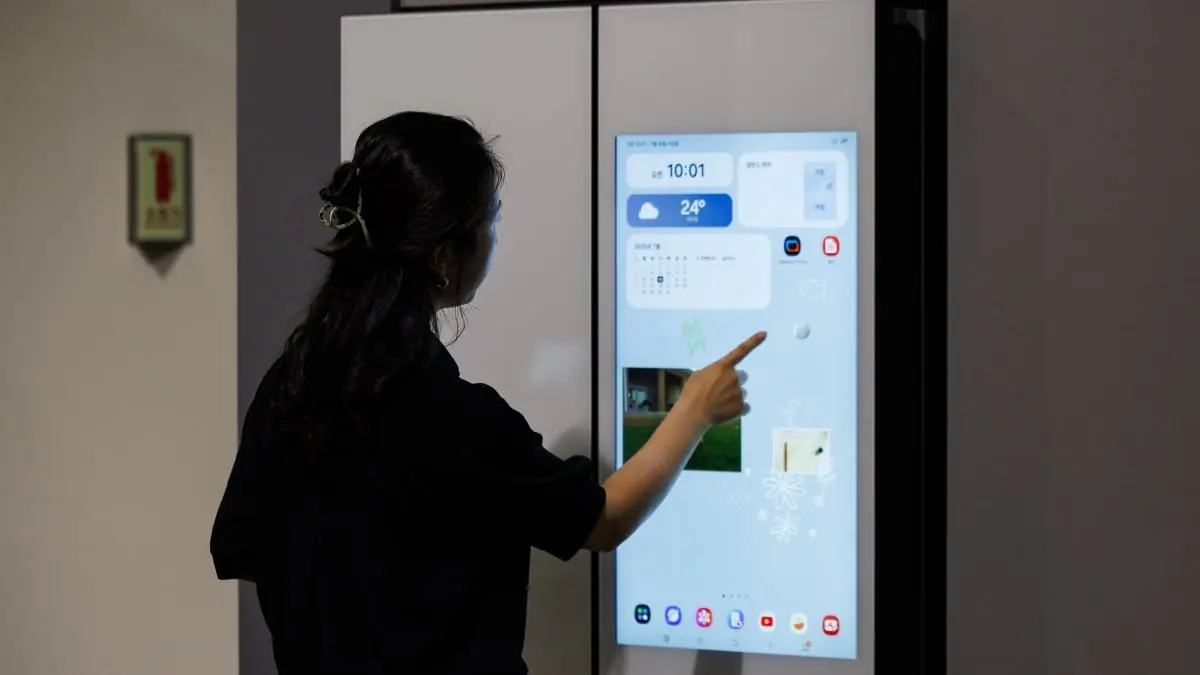
A refrigerator has one core job that consumers truly do not want interrupted by a background software update. For a number of Samsung owners in South Korea, however, a routine digital update left their high-tech kitchen appliances entirely unable to keep food cold, turning a basic household necessity into an expensive and frustrating liability.
The widespread technological trouble began on September 22, when unsuspecting customers installed a routine refrigerator software update through Samsung’s proprietary SmartThings mobile application. Almost immediately following the installation, owners began reporting a series of alarming malfunctions. Smart refrigerator interiors plunged into darkness, built-in display screens became completely unresponsive while stuck permanently on an "updating" message, and, most critically, the cooling systems stopped functioning altogether. Reports from affected consumers and local media outlets indicated that the models hit hardest by the faulty software were primarily the Bespoke AI four-door refrigerators that Samsung has released to the consumer market since 2024.
The timing of the software glitch could hardly have been worse, making an already frustrating situation into a major household crisis for families across South Korea. The incident unfolded just as Chuseok—one of the country’s most significant and widely celebrated traditional holidays, heavily centered around family gatherings, elaborate meals, and the preparation of large quantities of food—was about to begin. Households traditionally stock their refrigerators to maximum capacity ahead of the multi-day holiday to host visiting relatives and prepare traditional feasts.
The sudden failure of their cooling systems meant that these preparations were thrown into immediate jeopardy. One distressed owner told the South Korean newspaper Seoul Shinmun that they had been forced to throw away approximately 20 kilograms of fresh food that had spoiled as temperatures inside the unpowered refrigerator steadily rose. Other affected consumers voiced deep anxiety regarding expensive cuts of meat, fresh produce, and other specialized groceries they had carefully purchased and stored specifically for the holiday celebrations, watching helplessly as their investments decomposed in warm compartments.
Samsung officially acknowledged the problem shortly after the complaints began mounting, publishing a statement on its local community forum explaining that an error during internal software testing had inadvertently caused the power failures and display glitches for a portion of its customer base. According to subsequent reporting from South Korean news outlets, software that was strictly intended for internal corporate testing and quality assurance was mistakenly pushed out to consumer devices via the public update channel.
Upon realizing the severity of the mistake, Samsung moved quickly to halt the distribution of the faulty update. The company initiated efforts to provide free repairs to affected consumers, setting a public target to restore all impacted refrigerators to full working order by September 24. Alongside the physical and technical repairs, Samsung indicated that it was actively reviewing policies and procedures regarding compensation for the food that had spoiled as a direct result of the update error. Despite these measures, the tech giant has not yet publicly confirmed the precise number of refrigerators that were affected by the erroneous software deployment, nor has it verified whether every single damaged appliance was successfully repaired by its self-imposed target deadline.
The incident has inevitably ignited a broader conversation that extends far beyond the borders of South Korea and well beyond Samsung as an individual manufacturer. It highlights a growing and increasingly complex reality of modern consumer electronics: the relentless push to connect every home appliance to the internet and infuse everyday hardware with sophisticated software, artificial intelligence, and automated features.
Today’s appliance market is saturated with devices boasting advanced digital capabilities. Modern refrigerators can visually recognize specific food items stored on their shelves and offer customized recipe suggestions based on what is available. Major home appliance manufacturers like LG now market washing machines equipped with advanced intelligence that can automatically detect fabric types and adjust wash cycles accordingly. Even personal care products are receiving the smart treatment; recent hardware developments include high-tech electric toothbrushes utilizing tiny onboard cameras and artificial intelligence algorithms to map and locate gaps between a user’s teeth. While some of these connected features and smart capabilities can offer genuine utility and convenience to consumers who opt into the ecosystem, the fundamental nature of these devices remains rooted in physical utility.
The sudden and unexpected failure of Samsung’s smart refrigerators demonstrates vividly what is genuinely at stake when the software layer inside an everyday household appliance goes wrong. When a smartphone or a laptop suffers a software crash or a bad update, the result is usually digital frustration, temporary downtime, or the loss of access to applications, which can be inconvenient and annoying. However, when an appliance whose primary biological and domestic function is to preserve perishable food suffers a digital failure due to corporate negligence or testing oversights, the consequences cross over from the digital realm into the physical world, resulting in wasted resources, financial loss, and the disruption of daily life during significant cultural and family milestones.



Leave a Reply