
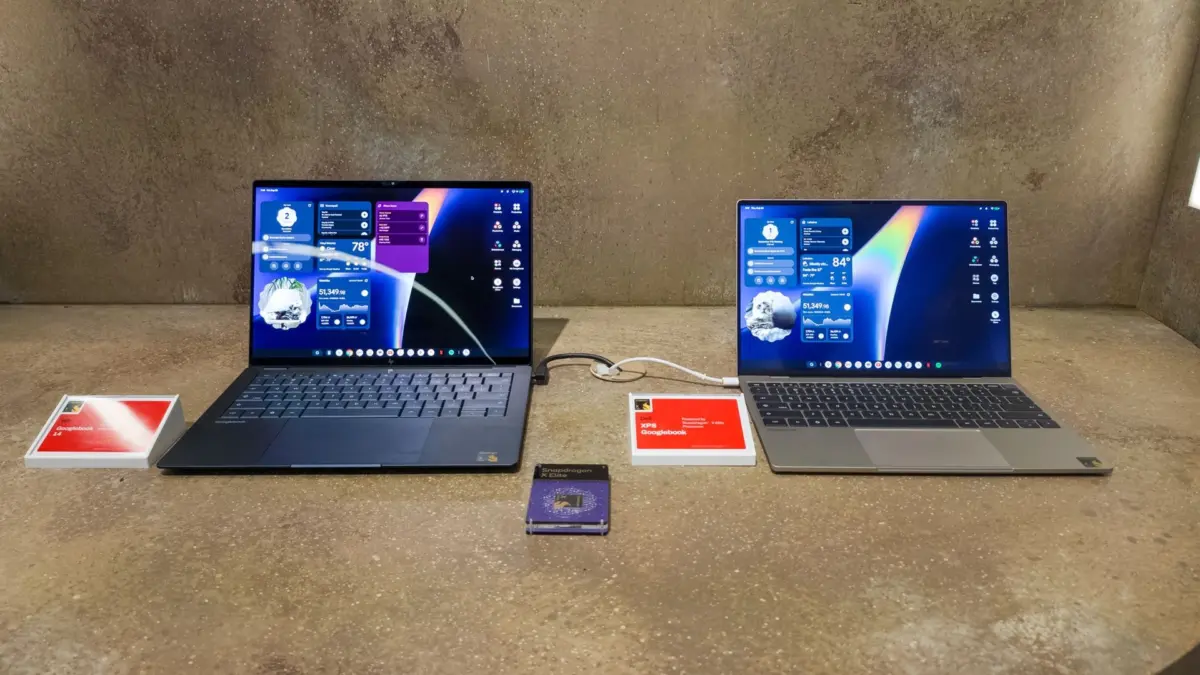
Google has officially introduced its long-awaited and heavily rumored shift toward bringing the Android operating system natively to laptops, marking a significant evolution from its traditional Chromebook lineup. Unveiled and demonstrated at Qualcomm’s Snapdragon Summit, the newly minted "Googlebooks" aim to merge the best elements of ChromeOS and Android into a highly capable, productivity-focused computing environment designed to leverage advanced artificial intelligence and seamless smartphone integration.
While traditional Chromebooks have long captured a massive share of the education and budget-conscious markets thanks to their accessible price points, Google’s new hardware strategy represents an immediate push toward the premium computing tier. Initial models introduced at the summit showcase this high-end ambition, led by devices such as the HP Googlebook 14, priced at $1,299, and the Dell XPS Googlebook, retailing at $999. Industry observers note that while these figures position the new machines well below the cost of many high-end laptops on the market, the baseline entry point remains significantly higher than what consumers have historically expected from ChromeOS-powered hardware. According to Google representatives, starting at the high end allows the platform to establish a premium identity before eventually expanding into lower price tiers that will eventually replace traditional Chromebooks altogether.
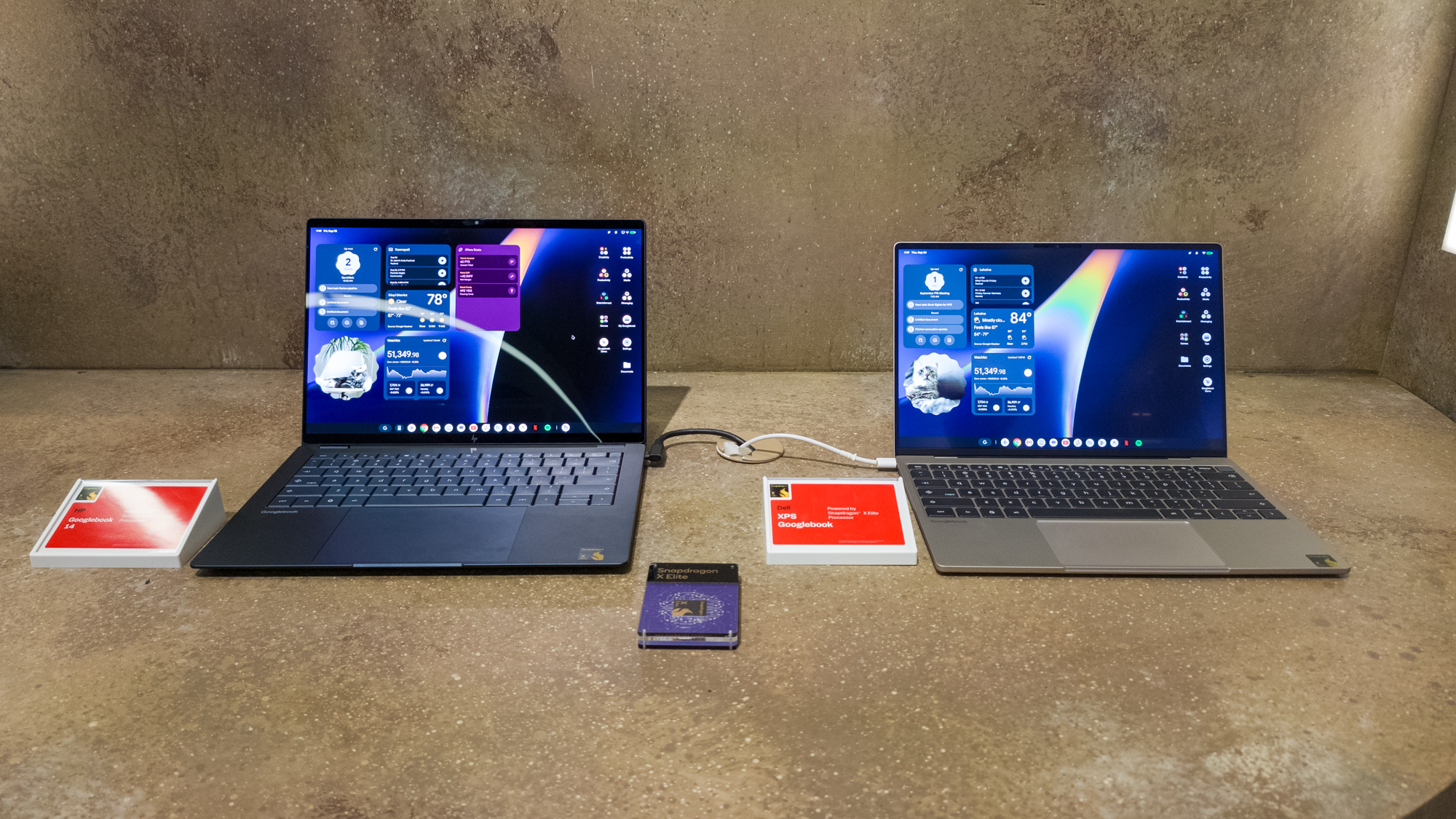
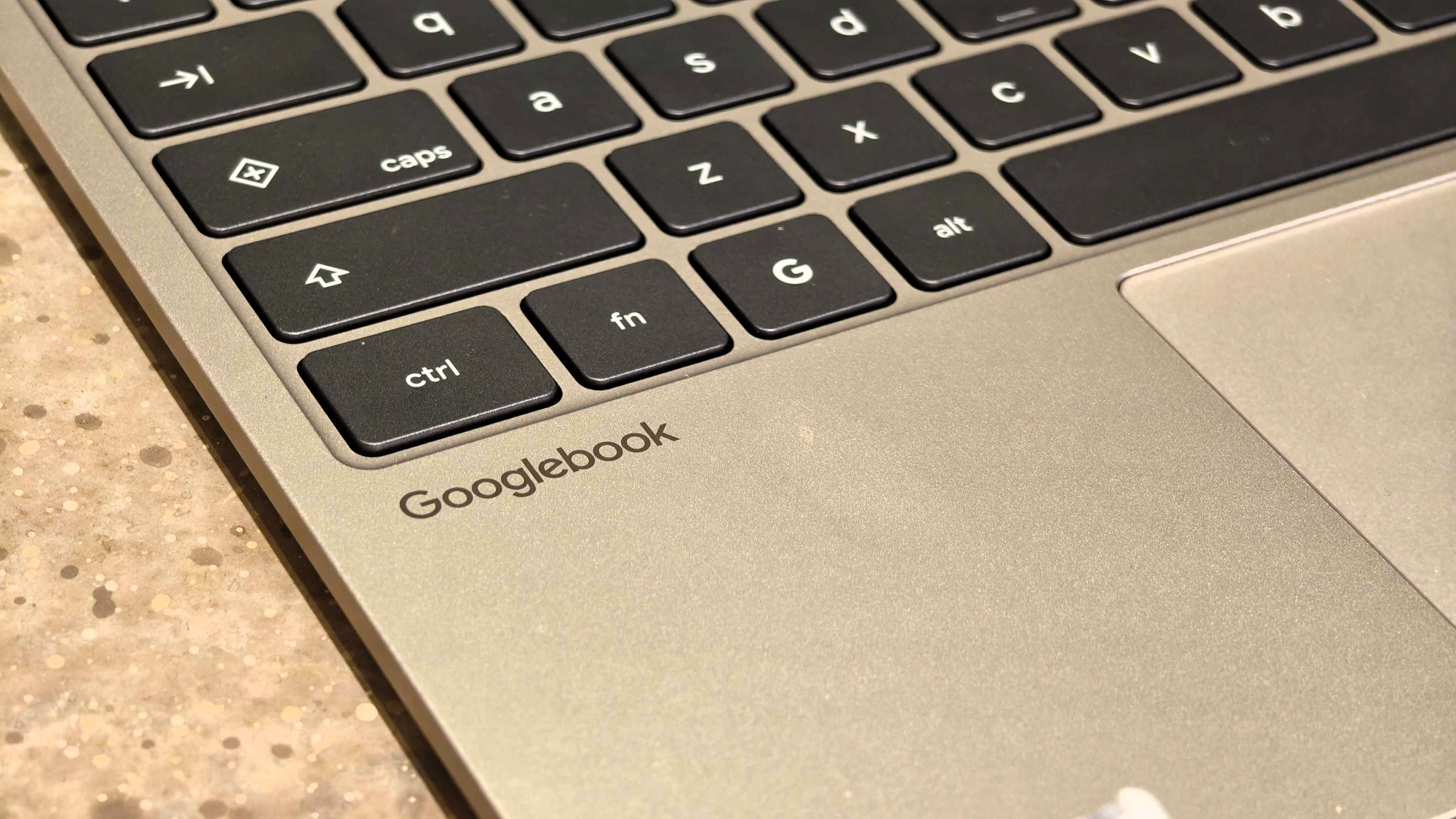
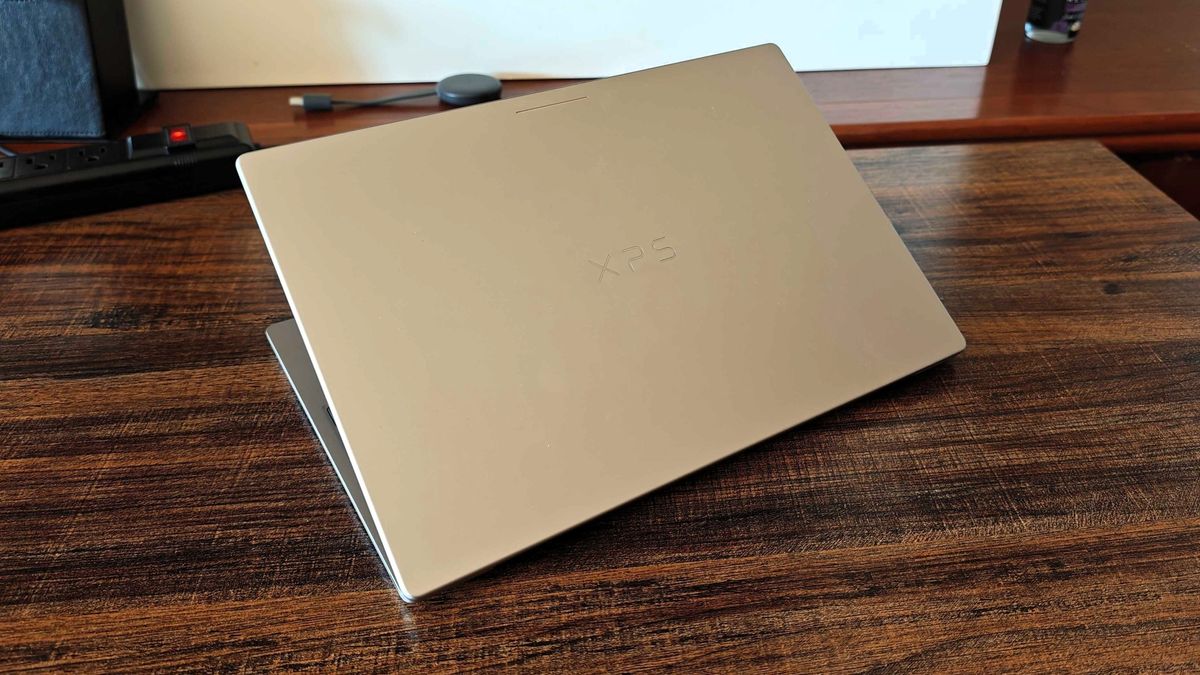
The initial hardware lineup reflects this focus on luxury and performance. The HP Googlebook 14 features a vibrant 14-inch OLED display delivering sharp resolutions and deep blacks, paired with spacious, comfortable keys and an oversized trackpad. Meanwhile, the Dell XPS Googlebook offers a slightly smaller 13.4-inch LCD panel framed by ultra-slim bezels with a matte finish designed to minimize glare. Encased in a lightweight aluminum chassis, the Dell model draws direct design comparisons to premium ultra-portables like Apple’s MacBook line. Under the hood, both launch models share robust core specifications, including 16GB of RAM, 512GB of internal storage, and integrated fingerprint sensors for secure authentication.
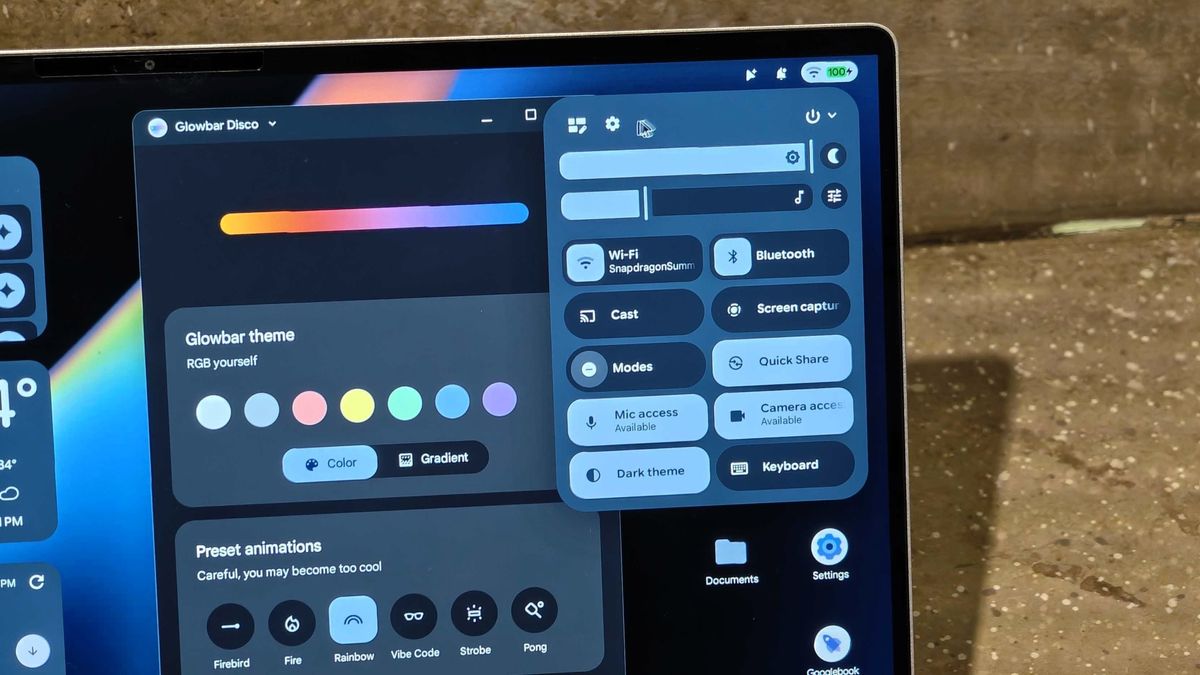
A striking hardware addition to these new laptops is the distinctive Glowbar, a hardware indicator capable of displaying battery status, facilitating Gemini interactions, and housing secondary controls. Although the current functionality of the Glowbar feels somewhat limited—comparable to similar notification features found on Google’s Pixel smartphone lineup—Google has confirmed plans to expand its capabilities through future software updates. The user interface itself borrows heavily from the refined aesthetic of modern Android devices, featuring a familiar quick-settings panel anchored in the top-right corner, a settings menu reminiscent of the Pixel Tablet, and support for interactive home screen widgets and customizable app folders.
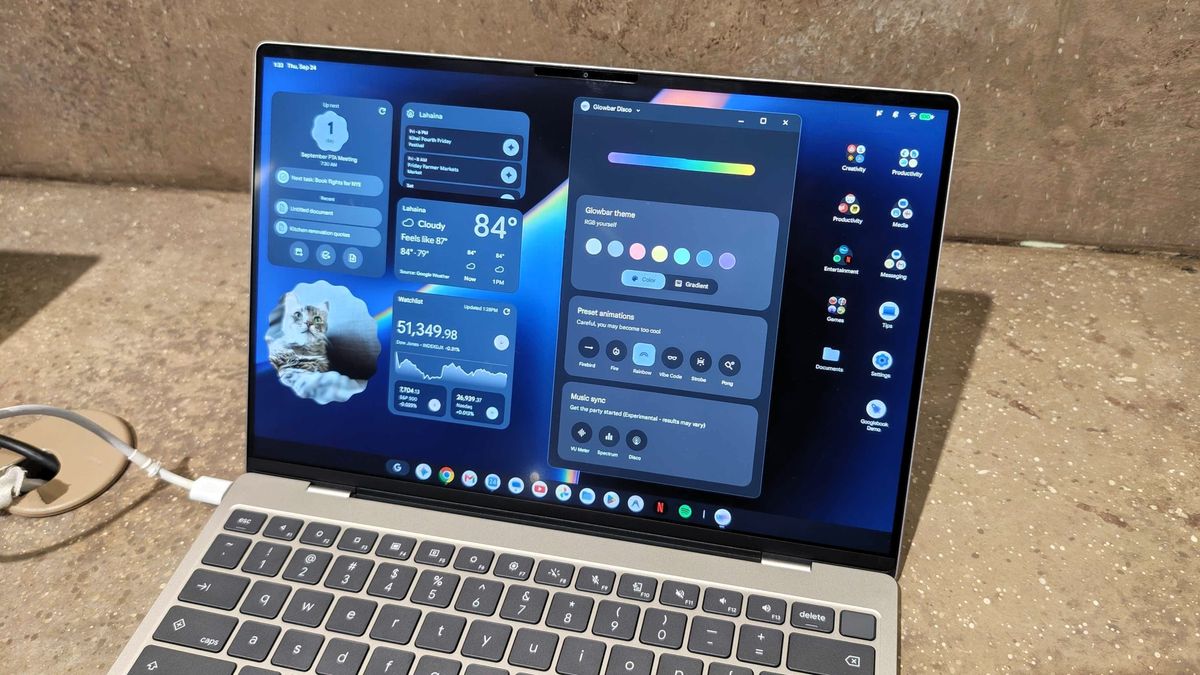
Beyond hardware, the primary differentiator for Googlebooks lies in their underlying architecture and advanced artificial intelligence capabilities. Powered by high-performance chipsets such as the Snapdragon X Elite, and built upon an Android foundation, these devices unlock performance tiers previously unseen in standard Chromebooks. A cornerstone of this experience is the integration of advanced conversational and assistive AI tools designed to streamline everyday workflows.
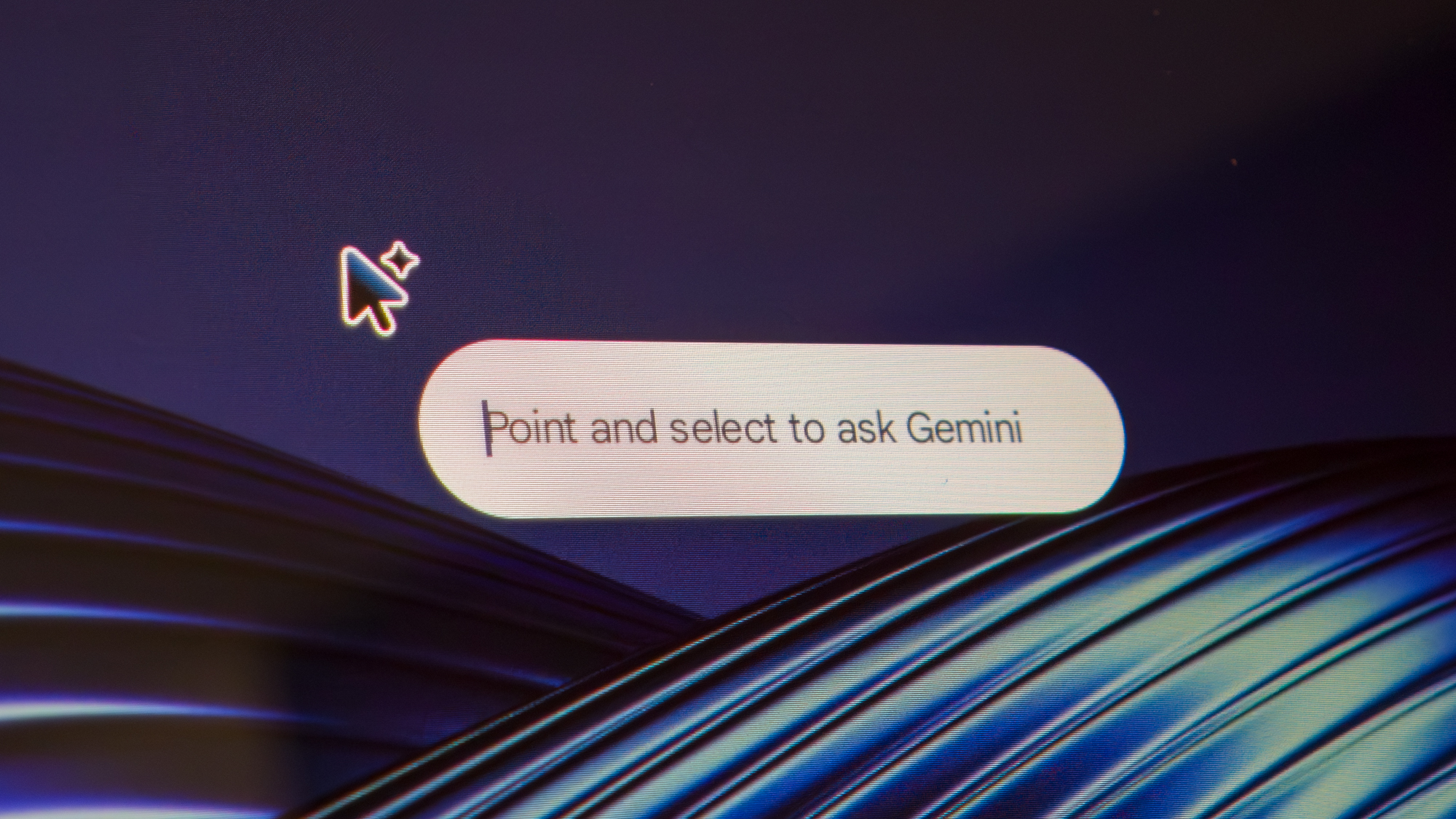
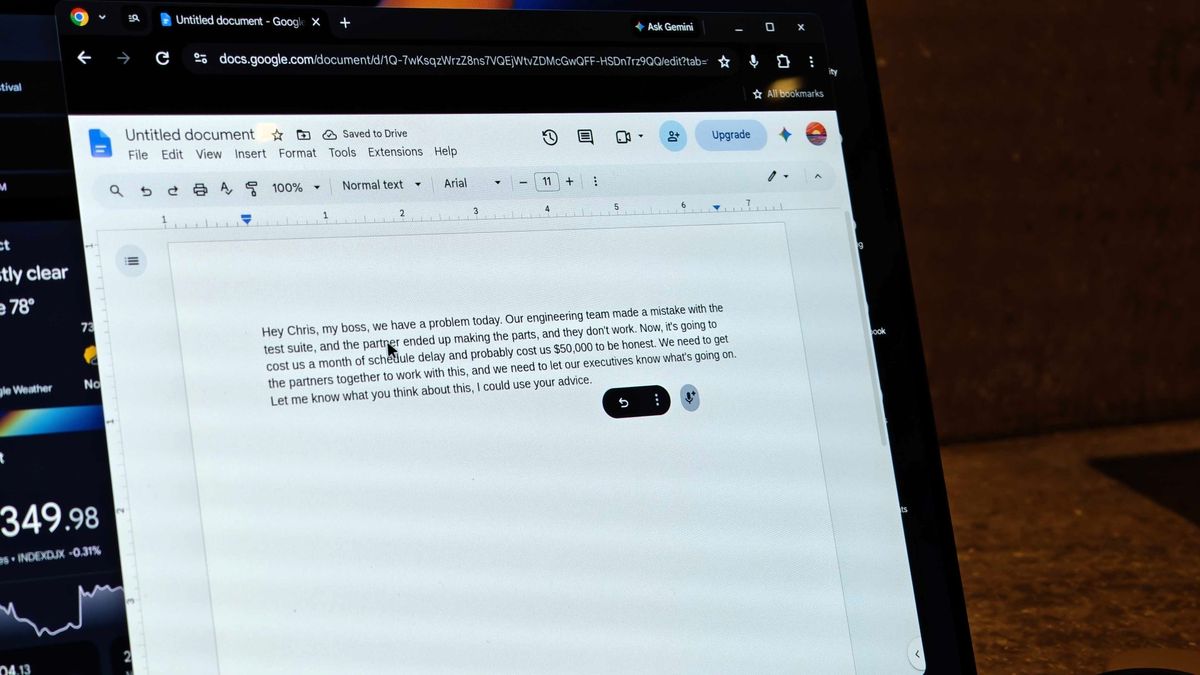
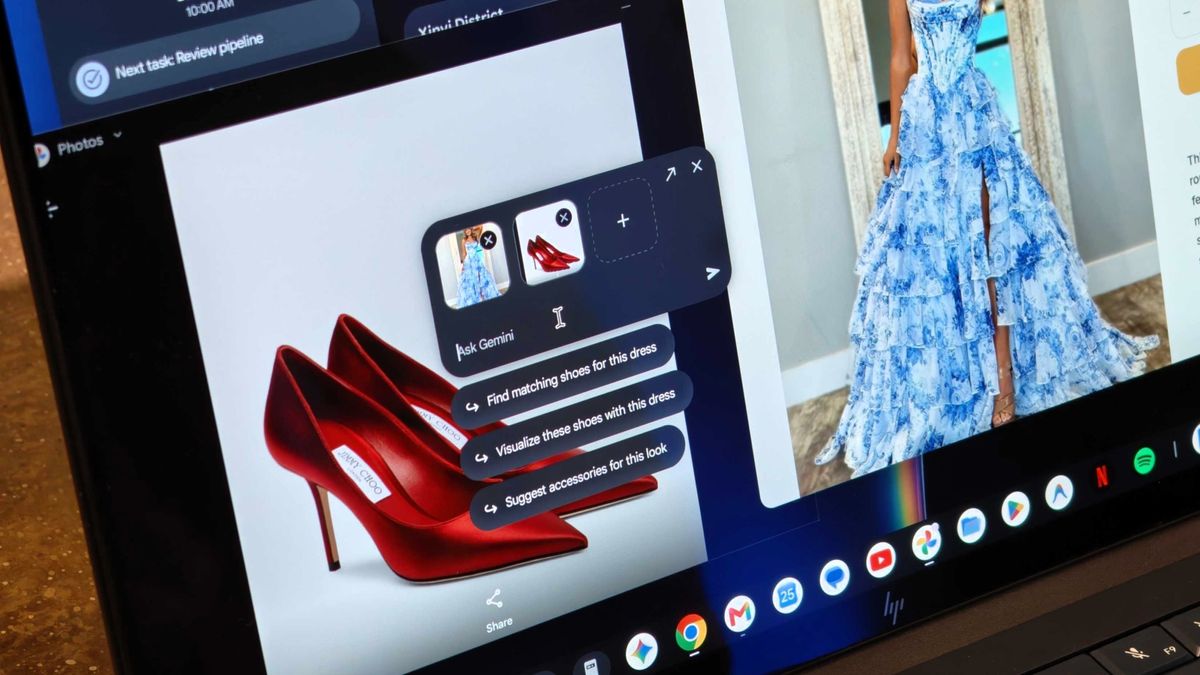
Among these capabilities is Rambler, a native dictation and transcription feature accessible via a dedicated physical key on the keyboard. Rambler allows users to dictate notes, emails, and documents using natural conversational language, automatically filtering out verbal filler words like "ums" and intelligently adjusting for moments when the speaker changes their mind mid-sentence. Another notable inclusion is the Magic Pointer, which reimagines the traditional desktop cursor by incorporating functionality akin to mobile search tools. By simply wiggling the pointer, users can trigger an interactive prompt that lets them highlight and query items directly on their screen, instantly launching a Gemini dialogue sidebar to provide deep context or answers.
Furthermore, Googlebooks incorporate Gemini Live, featuring a recognizable circular mobile-style interface alongside proactive intelligence and screen automation features that allow the computer to independently execute multi-step tasks. Users can also leverage AI to generate highly specific, custom desktop widgets on demand by providing detailed textual instructions—a capability that successfully creates dynamic, personalized information hubs in less than a minute.
Because the operating system is built upon an Android foundation, Googlebooks provide seamless access to the Google Play Store, allowing users to download and run a vast ecosystem of mobile applications and games. Deep smartphone integration serves as another key pillar of the user experience. Individuals can connect their phones to their Googlebook to search through mobile app drawers, cast apps directly to the desktop display, and utilize "Continue On," a handoff-like feature that lets users seamlessly transition an active task from their mobile device to their laptop. Additionally, direct file sharing between connected devices eliminates the need for physical cables or secondary file-transfer utilities.
While the initial rollout focuses on Snapdragon X Elite-powered configurations, Google plans to introduce alternative models featuring processors from Intel and MediaTek in the future. Traditional Chromebooks will remain available for the foreseeable future, and some existing devices may eventually receive updates to the Googlebook operating system. Although Google is collaborating with developers to optimize applications for larger screens, the company notes that native PC-grade AAA gaming is not a primary focus, though users can continue to utilize cloud gaming services like GeForce NOW. For mobile users, students, and professionals seeking a productive, AI-driven computing experience on the go, the arrival of Googlebooks signals a compelling and transformative new chapter for Google’s hardware ecosystem.



Leave a Reply