
Whether the goal is cranking out a 10-page report, filing taxes, or just getting your laundry done after a stressful day, the first step is often the hardest. When faced with a daunting task, people frequently find themselves trapped not by a lack of organization or capability, but by sheer mental paralysis. For those moments when motivation is entirely absent and the brain feels overloaded, a specific approach rooted in modern productivity strategies and tested across advanced AI models may offer a reliable nudge.
The phenomenon is familiar to many: a simple, straightforward goal sits on the horizon, yet initiating action feels impossible. Consider a routine errand like visiting the Department of Motor Vehicles to replace an old driver’s license with a Real ID. The process is straightforward, but various compounding factors—such as relocating to a new apartment, mounting work pressures, general fatigue, or the simple distraction of missing lunch—can create an invisible wall. For millions of people facing similar cognitive roadblocks, standard task management advice often falls short.
When a person experiences severe brain overload, breaking a project down into a comprehensive list of twenty manageable chunks can actually worsen the paralysis. A sprawling checklist introduces too many decisions, transforming a minor chore into an overwhelming mountain of responsibilities. Instead of a grand organizational strategy, what is frequently required is a tiny, concrete nudge—one minimal physical action that eliminates thinking entirely and bridges the gap between inaction and momentum.
This concept of taking a micro-step toward an intimidating goal is frequently discussed in productivity and neurodivergent communities, where it is known as "task initiation" or "step zero." While these terms often surface in discussions surrounding executive dysfunction and attention-deficit hyperactivity disorder, the underlying cognitive bottleneck is universal. Anyone can experience moments of feeling stuck in neutral, unable to transition from planning to execution.
Recognizing this widespread hurdle, researchers, productivity advocates, and software developers have increasingly turned to technology for assistance. A variety of specialized digital utilities—ranging from niche web applications like Goblin Tools to dedicated AI prompts circulating across online communities—have emerged to help individuals chip away at large undertakings.
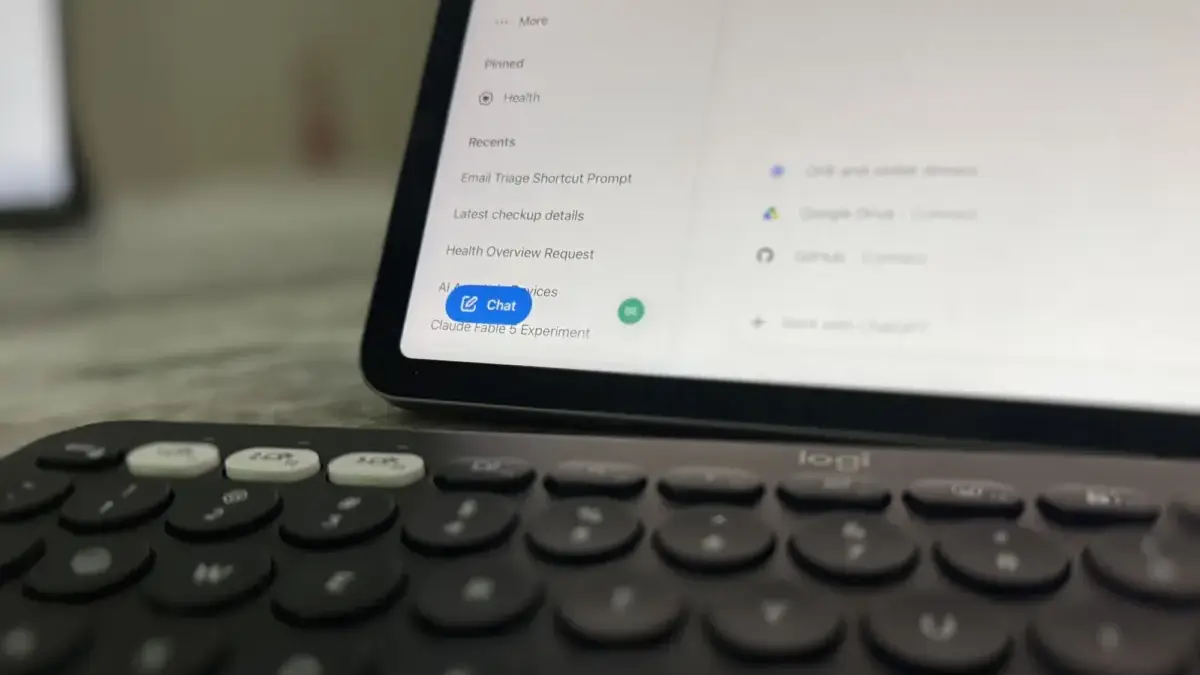
To address the specific issue of mental paralysis rather than general disorganization, prompt engineers and tech writers have begun experimenting with next-generation conversational artificial intelligence models. Working alongside recently introduced platforms like Claude Opus and OpenAI’s GPT models, users have crafted specialized iterations of a "step zero" prompt. This type of instruction is explicitly designed to bypass deep planning and deliver an immediate physical action, followed by a few closely managed, short-duration subsequent steps. If the user feels a surge of momentum after completing those initial actions, they can simply type a follow-up command to receive the next brief batch of instructions.

The core utility of this specific prompting strategy lies in its deliberate constraints. Unlike standard conversational prompts that might encourage brainstorming, open-ended strategizing, or overwhelming multi-step project plans, a strict "step zero" instruction forces the AI to remain hyper-focused on immediate, low-friction execution.
In practice, a well-tuned prompt of this nature instructs the artificial intelligence to bypass any analysis of why the user is feeling blocked. It explicitly forbids the generation of pep talks, lengthy explanations, or assumptions about the user’s physical surroundings and available objects. Instead, it demands a single, immediate physical action that requires zero thought, followed by three mechanical actions that each take under sixty seconds to complete. The prompt is intentionally structured to maintain a neutral tone, utilizing bold verbs and a simple numbered format while concluding with a brief invitation for further micro-steps if desired.
Testing this approach across multiple conversational AI systems—including ChatGPT Instant, Claude Sonnet, and Gemini—reveals distinct differences in how various models naturally handle requests for task initiation. In control tests without a specialized prompt, some systems tend to default to expansive, lengthy task lists that can inadvertently feed back into cognitive overload. Others demonstrate a closer approximation to spontaneous, zero-thought micro-steps right out of the box.
However, when the carefully structured "step zero" prompt is applied either at the beginning of a chat session or configured as a system instruction, the behavior of these language models changes noticeably. The resulting outputs become consistently concise, simple, and direct.
When fed a common stress-inducing task, such as applying for a Real ID, a properly constrained AI model delivers output that strips away all conversational fluff. Rather than offering encouraging asides or overwhelming administrative checklists, the response focuses entirely on immediate mechanical actions. While the exact wording generated by different AI systems may vary—ranging from grabbing an essential document to walking toward a specific location—the functional result remains the same: a simple, mechanical push that helps a user bypass mental gridlock without emotional pressure or cognitive friction.
For individuals who frequently find themselves staring at a blank document, an unwashed pile of clothes, or a stack of bureaucratic paperwork, integrating this style of prompting into a daily workflow offers a practical tool for overcoming inertia. By shrinking the scope of the very first action down to a sixty-second physical movement, technology can help users quietly sidestep the paralysis of overthinking and finally get moving.


Leave a Reply