
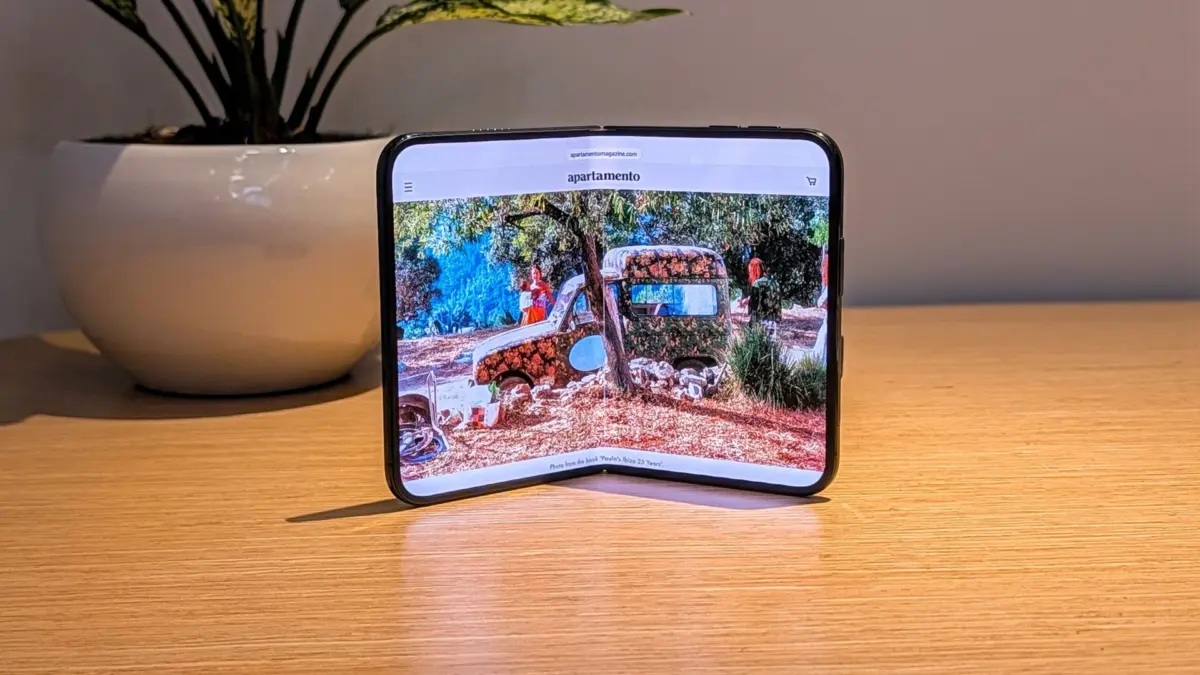
After spending a full month living with the Google Pixel 11 Pro XL as a daily driver, the broader picture of what Google has achieved with its latest flagship comes into clearer focus. Generally speaking, the device marks a noticeable step forward compared to its predecessors. While it features certain software and hardware frustrations—as is standard with almost any smartphone under rigorous, long-term testing—the Pixel 11 Pro XL manages to refine Google’s hardware vision while introducing a polished experience. Although Google’s increasingly aggressive push toward artificial intelligence remains a prominent feature of the ecosystem, these AI tools are fortunately easy enough to ignore for users who prefer a more traditional smartphone experience.
Instead of a conventional, exhaustive long-term review, focusing on five distinct areas that stood out during a month of intensive, real-world use paints an accurate portrait of how the Pixel 11 Pro XL performs in daily life.
The Pixel 11 Pro XL Can Take a Beating
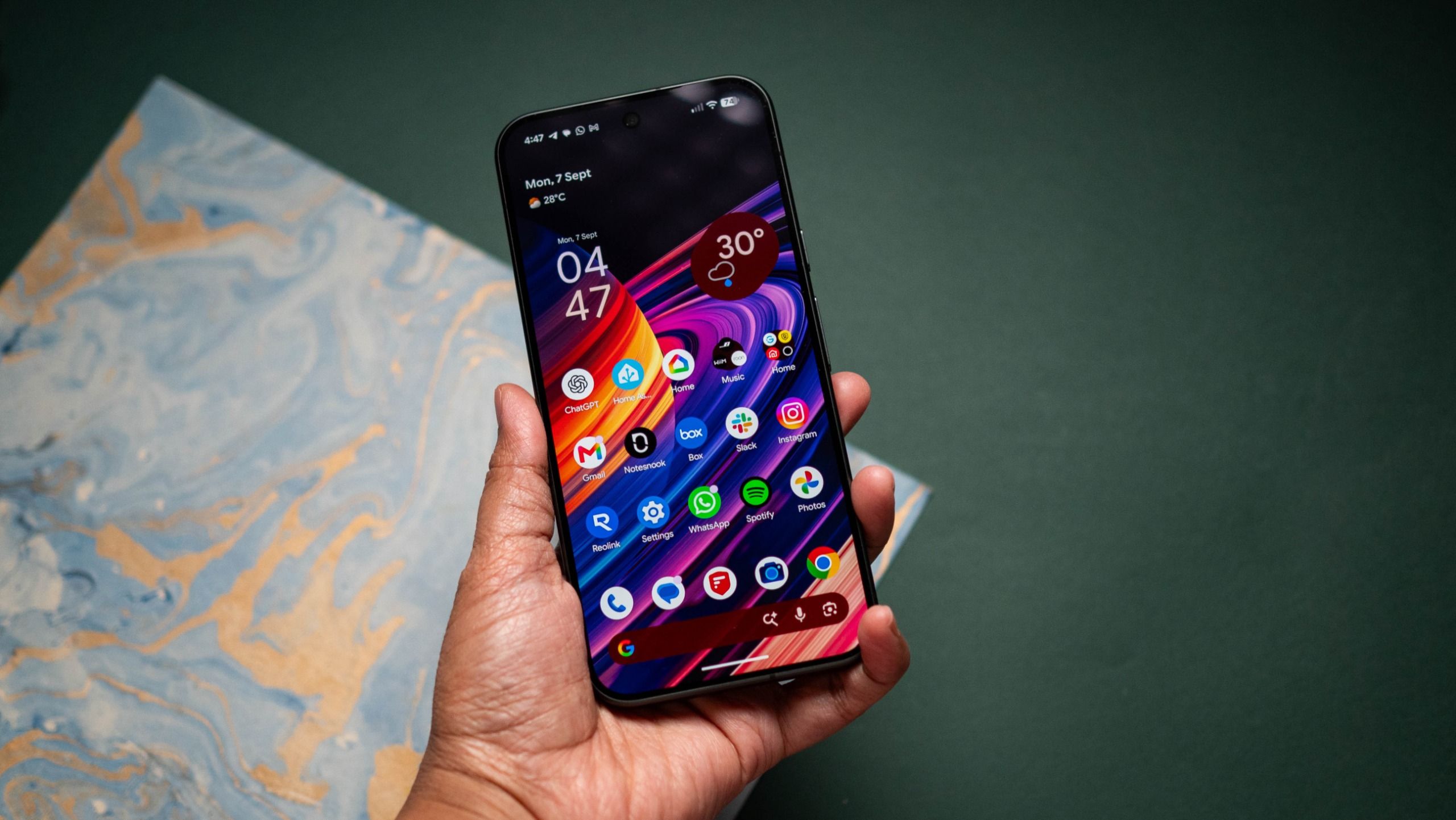
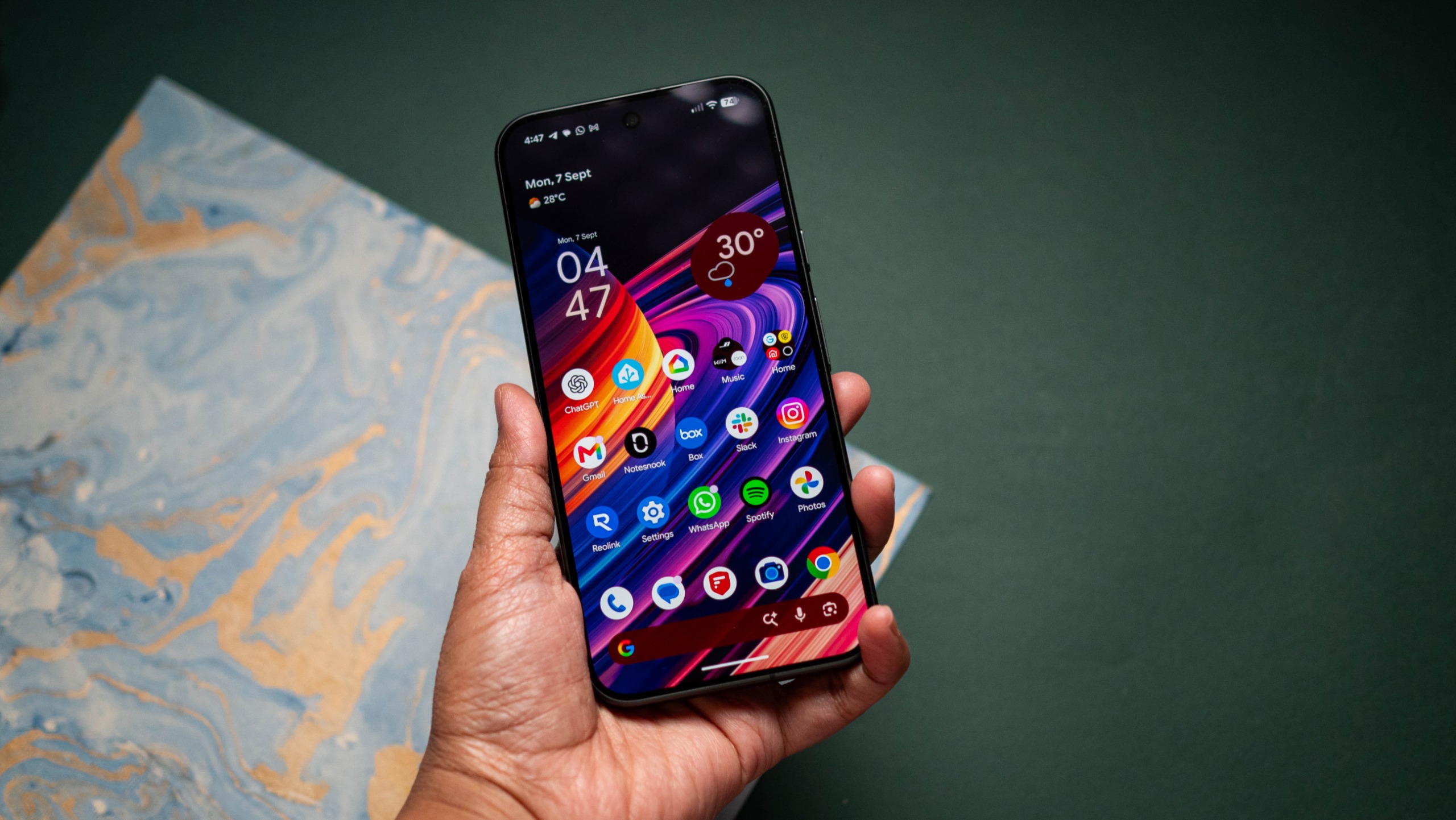
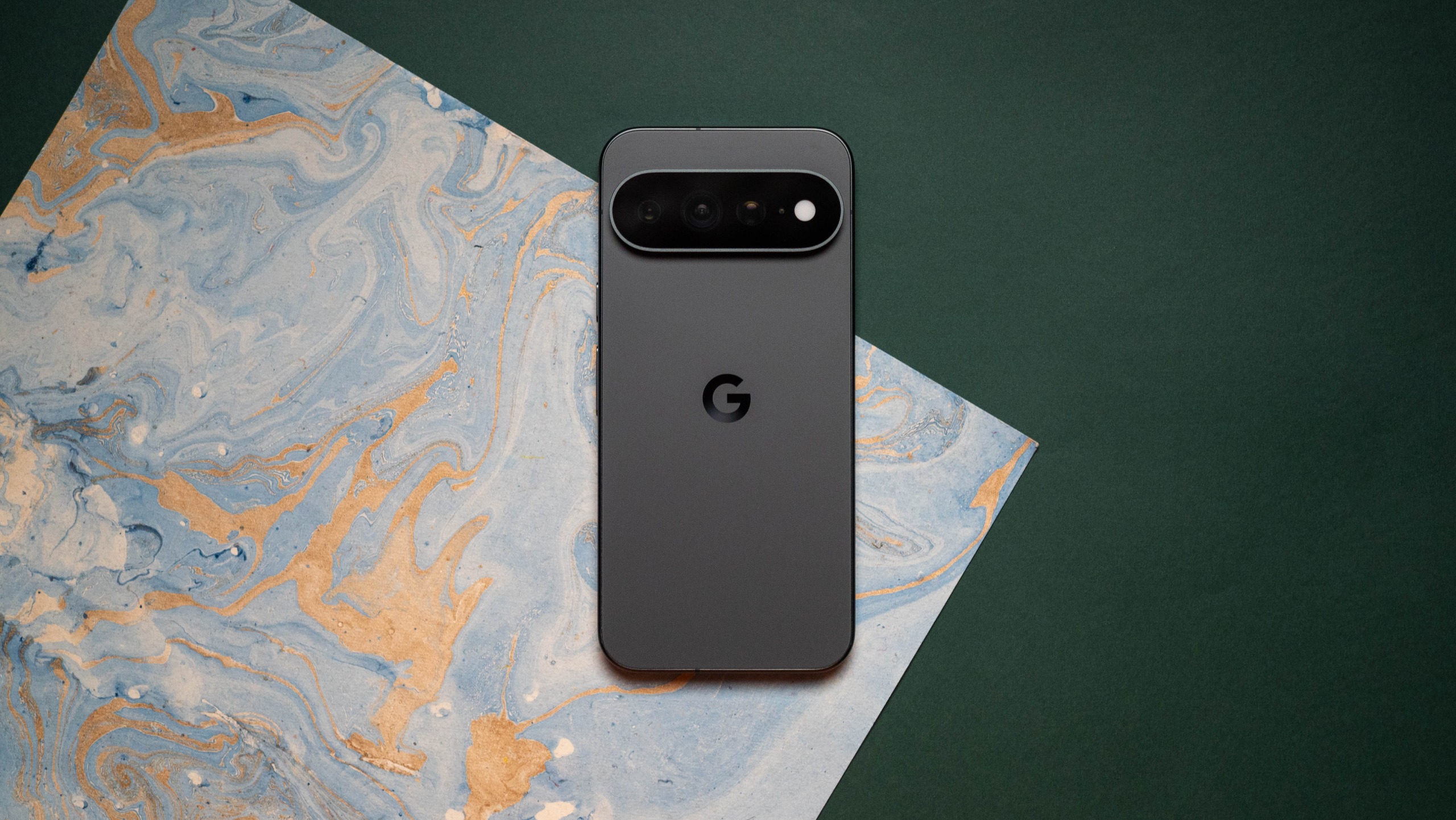
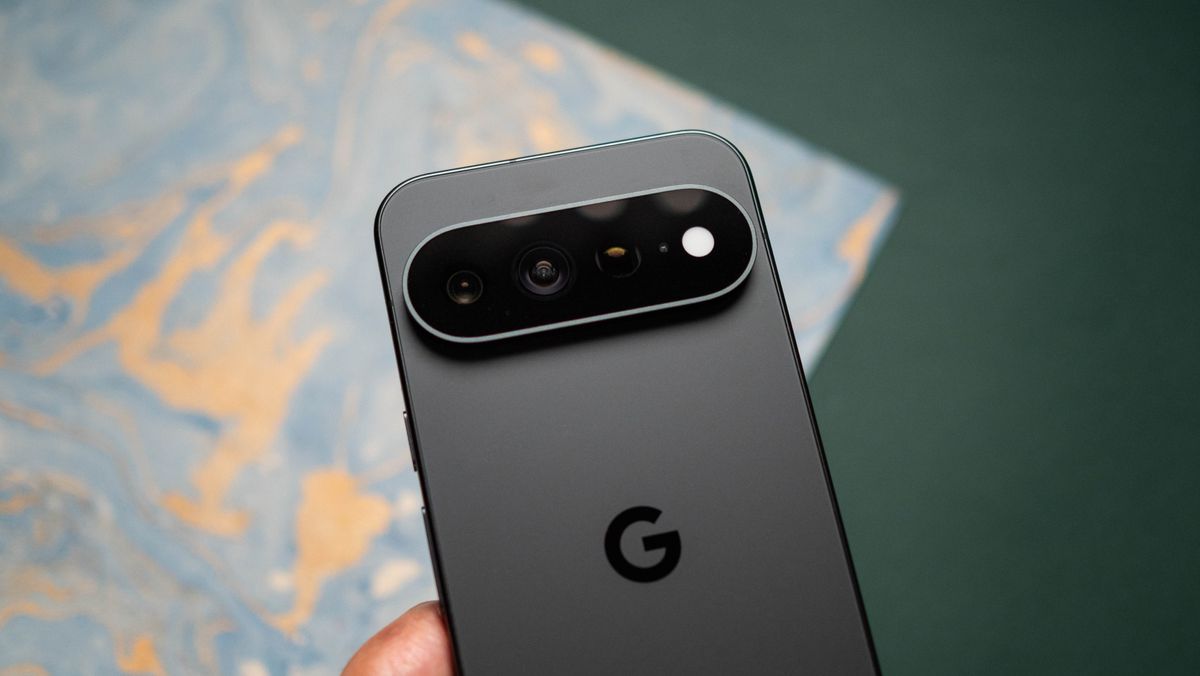
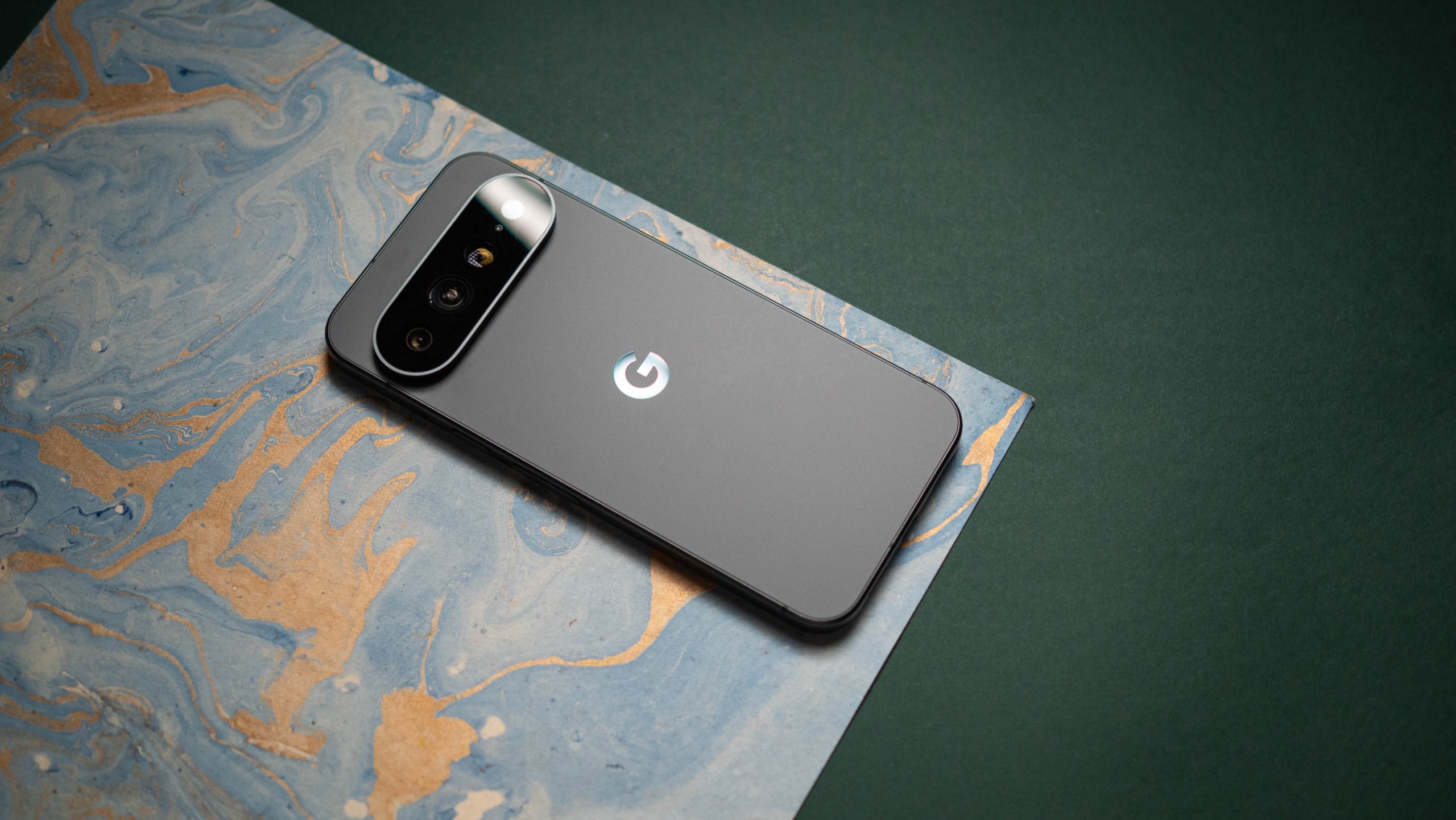
At first glance, the Pixel 11 Pro XL does not deviate drastically from the design language established by the Pixel 10 Pro XL, a choice that proves largely welcome. The aesthetic remains visually distinctive, highlighted by a clean and minimal camera visor on the rear panel. While the Obsidian colorway keeps things understated and lacks the flair found in options like the Canyon variant, the all-matte texture feels exceptionally comfortable to hold and manage during daily operations.
Practical design choices also extend to table stability. Because of the horizontal positioning of the camera bar, the phone remains completely flat and wobble-free when placed on a flat surface—a stark contrast to competitors like Samsung’s Galaxy S26 Ultra, which tends to rock or wobble under the lightest touch. Weighing in at 226 grams, the device certainly sits on the heavier side for a modern smartphone, but the weight distribution is managed well enough that the handset never feels clumsy or unwieldy during extended use.
More importantly, the phone has proven itself remarkably durable over weeks of active testing. During a month of use, the Pixel 11 Pro XL survived over a dozen accidental tumbles. While these drops resulted in visible cosmetic scuffs along the aluminum mid-frame, the glass panels protecting both the front and rear remained completely intact. One particularly dramatic incident involved the phone sliding face-down across a tiled floor after slipping from a user’s hand, culminating in an accidental kick across the room. Despite this rough treatment, aside from minor surface scratching along a single edge of the screen, the display panel held up admirably.
This level of resilience demonstrates that Google has paid closer attention to structural build quality and manufacturing standards. Devices like the Pixel 11 Pro XL are clearly engineered to endure years of daily wear, representing a welcome turnaround from historical fit-and-finish complaints that plagued older generations of Pixel hardware.
The Cameras Are Good—If Not the Best You’ll Find
Camera performance on Pixel devices has long been a defining selling point, and the Pixel 11 Pro XL continues to deliver reliable imagery, though it faces stiff competition from international rivals. During a hands-on media briefing for the Apple iPhone Duo, product photos were captured using the Pixel 11 Pro XL as the primary camera. However, shooting in challenging indoor lighting conditions quickly highlighted the device’s limitations.
Capturing clean product shots required noticeably more effort with the Pixel 11 Pro XL, and the final results fell short of expectations, leaving the reviewer wishing for an alternative device like Oppo’s Find X9 Ultra. This does not imply that the Pixel’s cameras are fundamentally flawed; the phone routinely captures great shots and performs more consistently than previous generations. Yet, it remains less than ideal for specialized tasks like detailed product photography under questionable or dim lighting.
By comparison, ultra-premium flagship devices originating from Chinese manufacturers—such as the Oppo Find X9 Ultra, Oppo Find X9 Pro, Vivo X300 Ultra, Vivo X300 Pro, and the Xiaomi 17 Ultra—excel in these specific scenarios, outperforming the Pixel’s sensor size and resolution limitations. While the Pixel 11 Pro XL yields perfectly usable everyday photos with decent detail, the experience underscores the reality that several competitors maintain a noticeable lead in raw camera hardware capability.
Connectivity Is a Mixed Bag (Yet Again)
Cellular and network connectivity has historically been a point of scrutiny for Pixel smartphones. With Google transitioning to a MediaTek modem for this generation, expectations were high that the Pixel 11 Pro XL would finally achieve parity with other high-end flagships on the market. While connectivity performance has improved compared to older models, it still lacks the absolute reliability found in competing devices.
Throughout the testing period, the phone frequently dropped down to an LTE connection in areas where reliable 5G coverage is normally accessible. Home Wi-Fi connectivity also proved occasionally spotty, with the device intermittently disconnecting from the local network and requiring manual intervention through the quick-settings tile to re-establish a stable connection. While these networking quirks might be categorized as minor inconveniences, they remain frustrating flaws on a device priced at $1,199, especially given that rival flagships rarely exhibit similar network instability.
Battery Life Is Better Than I Imagined
Despite packing a relatively modest 5,115mAh battery—especially when compared against ultra-flagships like the Find X9 Ultra, which houses a massive 7,000mAh cell—the Pixel 11 Pro XL punches above its weight class. Thanks to significant power-efficiency gains achieved this generation, the device consistently manages to last through a full day of heavy use with reserve power to spare.
Even during heavy travel days, the phone easily crosses the finish line into the evening. On exceptionally busy days involving hundreds of high-resolution photo captures and constant navigation, the device still held out until nighttime. Furthermore, charging the battery is straightforward, requiring roughly an hour to reach full capacity.
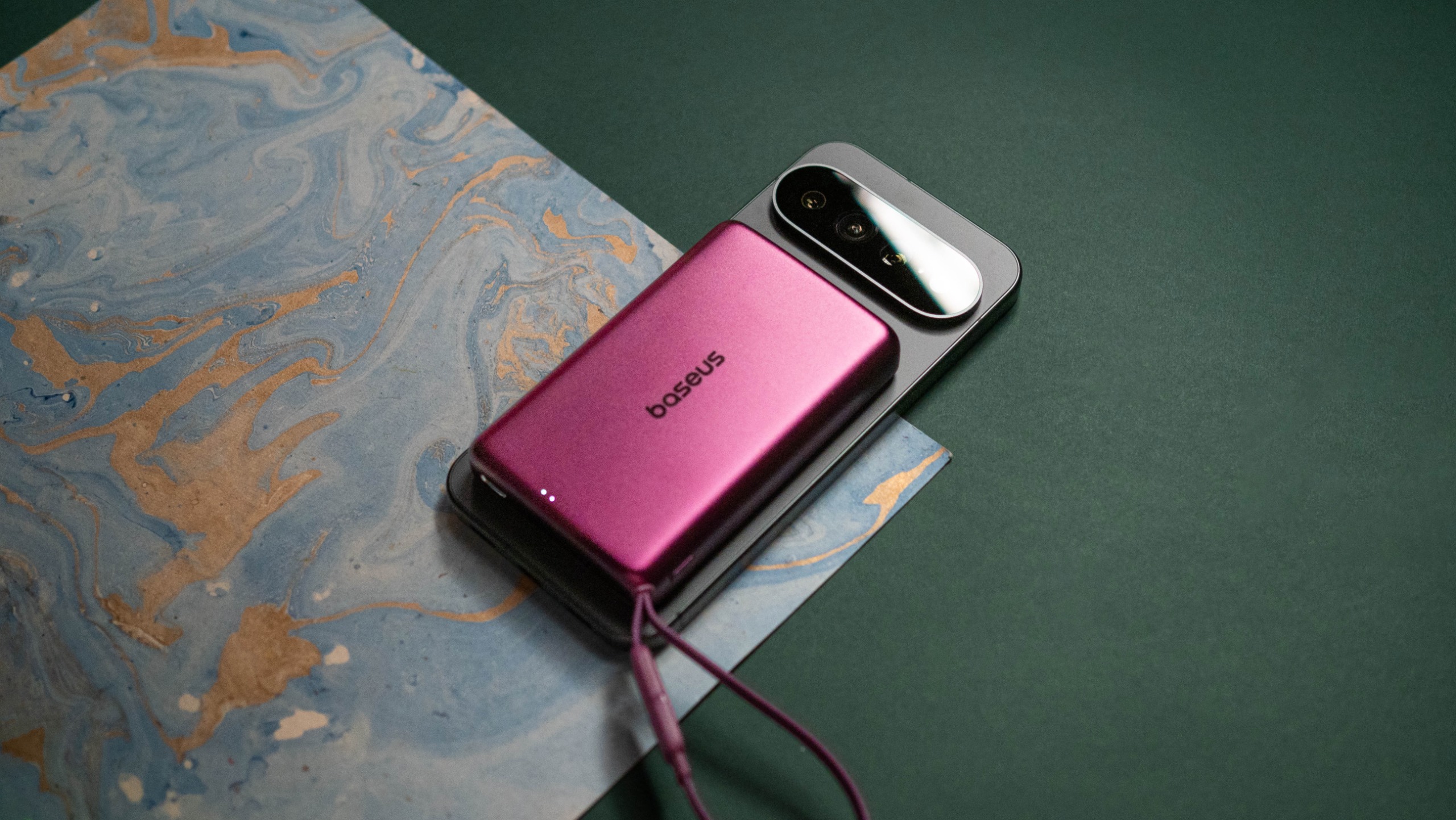
The integration of Qi 2.2 wireless charging standards also proves to be a major practical advantage. Native compatibility with Qi 2.2 power banks and charging pads means users who prefer running their phones naked without a protective case can take full advantage of magnetic alignment accessories without friction.
The Software Continues to Be the Real Highlight
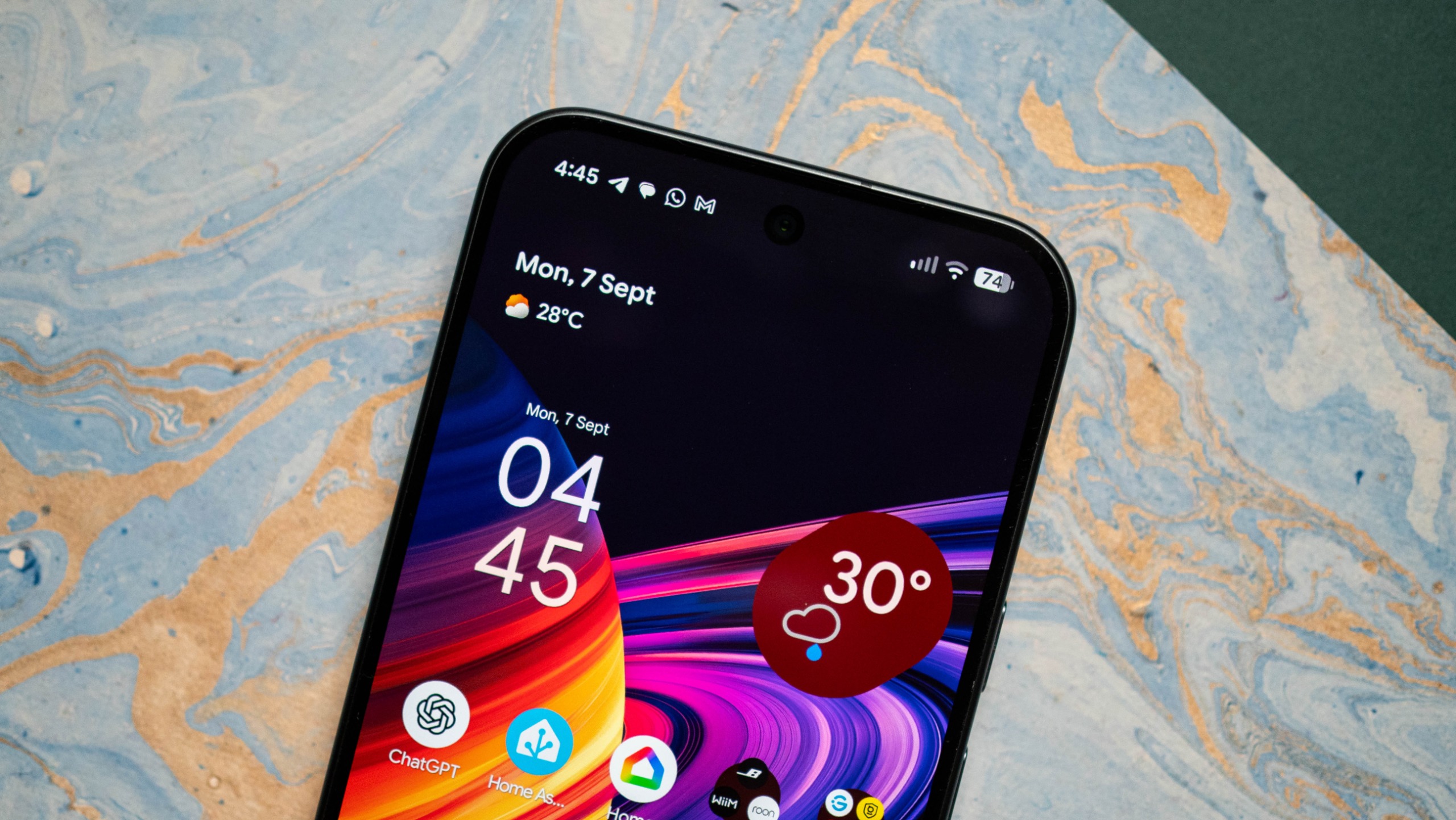
Software remains the primary anchor of the Pixel experience, and Android 17 brings a wealth of refined features to the table. While a significant portion of Google’s software marketing centers around advanced artificial intelligence features—many of which remain optional for users who do not require them—practical additions like Rambler integration within Gboard stand out as genuinely useful tools that deserve wider adoption across the broader Android ecosystem and iOS.
Google’s software philosophy continues to shine through a clean interface devoid of third-party bloatware. The user experience is characterized by vibrant color aesthetics, fluid animations, and a high degree of customization that makes daily interaction genuinely pleasant.
Ultimately, using the Pixel 11 Pro XL highlights an ongoing opportunity for Google to introduce a true "Ultra" tier device to directly compete with its Chinese counterparts. While the phone easily holds its own against mainstream options like the iPhone 18 Pro Max and the Galaxy S26 Ultra, it lacks a direct counter to specialized photography flagships like the Find X9 Ultra, Vivo X300 Ultra, and Xiaomi 17 Ultra. As the industry reaches a point of diminishing returns for purely computational photography, Google will eventually need to embrace larger, higher-resolution camera sensors and more advanced physical hardware to close the gap entirely.
For everyday consumers upgrading from older hardware, the Pixel 11 Pro XL remains a compelling, highly resilient choice that represents a massive leap forward over its predecessors, even if it leaves room for future hardware ambitions.
Leave a Reply