
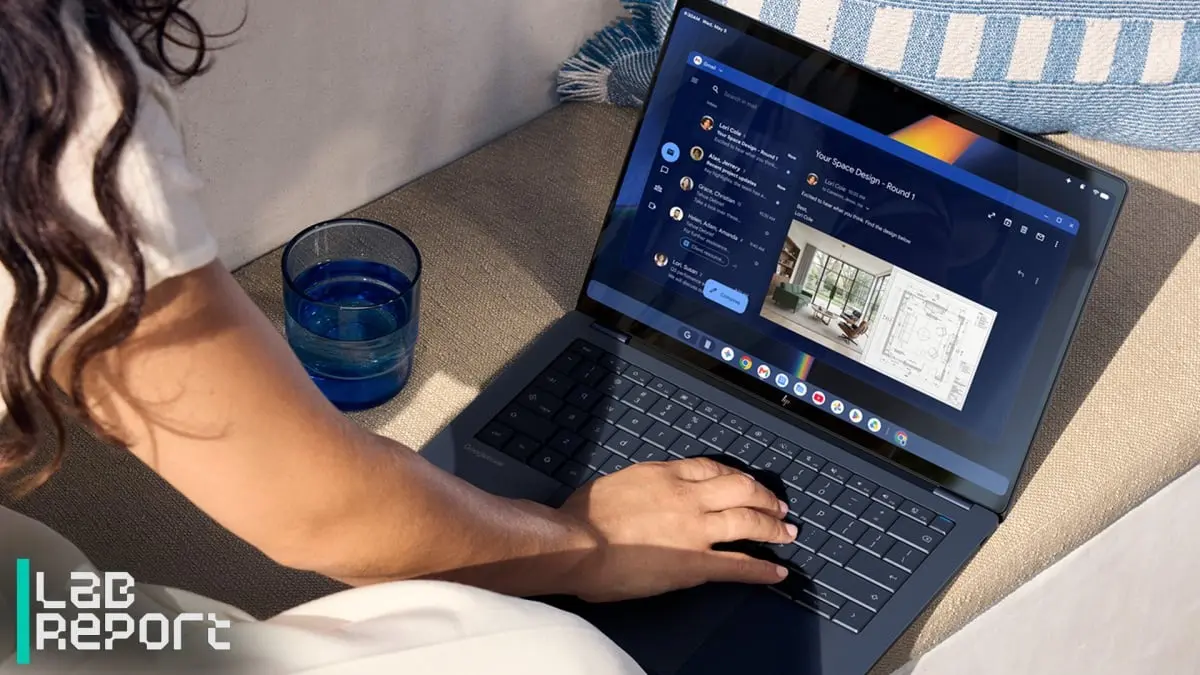
Google is making a major push into the personal computer market with the official launch of a brand-new lineup of flagship laptops. Designed around seamless Android integration and powered by the all-new Googlebook OS, these devices represent a significant evolution in how mobile and desktop environments interact. Built in collaboration with major hardware manufacturers including Acer, Asus, Dell, HP, and Lenovo, the initial wave of Googlebook models starts at $899, positioning them firmly in the premium laptop category alongside traditional Windows PCs and Apple MacBooks.
The introduction of Googlebook OS marks a strategic shift for the tech giant, merging the expansive app ecosystem and user-friendly nature of Android with advanced artificial intelligence capabilities driven by Gemini. For years, consumers have navigated a distinct separation between their mobile phones and their desktop or laptop computers. While Chromebooks successfully captured a substantial share of the education and budget-friendly market by relying heavily on cloud-based ChromeOS, Google is now setting its sights on the high-end productivity sector. The new Googlebook lineup aims to bridge that gap completely, offering the robust processing power, premium build quality, and comprehensive multitasking features expected from modern flagship laptops, while maintaining the fluid, connected experience of an Android device.
Industry observers and tech enthusiasts tracking the rollout have been given a comprehensive look at the new hardware through recent hands-on previews covering the inaugural devices from the hardware partners. The hardware ecosystem launching alongside the operating system includes dedicated models tailored to different user preferences and productivity needs. Acer has introduced the Acer Googlebook 14, focusing on a balance of portability and performance. Asus has followed suit with the Asus Googlebook 14, bringing its signature design aesthetic and engineering to the new platform. Dell has leveraged its acclaimed design language for the Dell XPS Googlebook, targeting professionals who demand top-tier build quality and performance. HP has contributed the HP Googlebook 14, blending sleek aesthetics with reliable enterprise-grade features. Meanwhile, Lenovo has expanded the footprint slightly with the Lenovo Googlebook 15, catering to users who prefer a more expansive display real estate for multitasking and content creation.
The core of the Googlebook experience lies within its operating system architecture. Googlebook OS is fundamentally engineered to blend Android and Gemini, creating an environment where artificial intelligence is not merely an add-on application, but an intrinsic layer of the user interface. Gemini operates quietly in the background and steps forward dynamically to assist with complex tasks, summarize documents, manage cross-device notifications, and streamline workflows. Because the operating system shares deep roots with Android, users can run their favorite mobile applications natively alongside traditional desktop-class web browsers and productivity software. This eliminates the traditional friction associated with moving files, messages, and application states between a smartphone and a laptop. Notifications sync effortlessly, clipboard data transfers instantaneously, and the user interface adapts smoothly whether the device is being navigated via trackpad, keyboard, or touch screen.
Pricing for the initial lineup begins at $899, establishing that these machines are intended to compete directly with mid-to-high-end laptops currently dominating the market. Preorders for the new Googlebook models from HP, Dell, Lenovo, Acer, and Asus have already opened across major retail channels and manufacturer websites, giving consumers their first opportunity to secure the devices ahead of their official retail shipping dates. As the market responds to this new computing category, the launch video coverage produced by industry analysts—featuring host Matthew Buzzi, producer and camera operator Paul Encinas, and thumbnail designer Cole Kan—has broken down the release into distinct segments, detailing the introduction of the OS, the core hardware specifications, individual manufacturer offerings, and final thoughts on the future of Google’s expanded hardware strategy.
The arrival of the Googlebook ecosystem signals a competitive new chapter in the personal computer landscape. By uniting the world’s most popular mobile operating system with advanced generative AI and premium hardware partnerships, Google is offering a compelling alternative for consumers who want their laptops to work as intuitively and fluidly as their smartphones.



Leave a Reply