
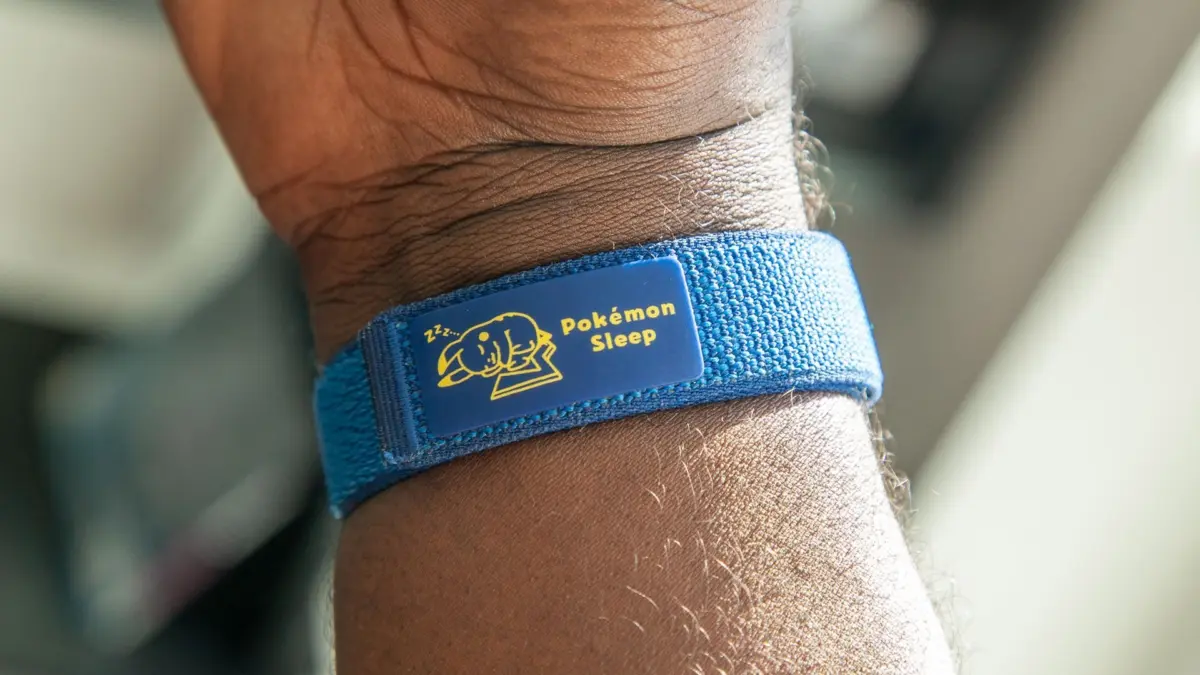
For millions of mobile device users and gaming enthusiasts around the world, the intersection of health tracking and gaming has offered plenty of unexpected crossovers over the years. Pokémon Sleep, an application that has steadily built a dedicated fanbase since its initial launch a few years ago, represents one of the most unique experiments in gamifying daily wellness routines. By coincidence, just as one dedicated user and reviewer logged a full year’s worth of sleep data into the application, Google introduced a brand-new, highly anticipated Pokémon Sleep edition of the Fitbit Air as part of the broader franchise celebrations marking Pokémon’s 30th anniversary.
Using this special edition wearable to log nightly rest directly into the Pokémon Sleep app offers a compelling glimpse into how hardware integration can elevate a casual mobile game into a seamless daily habit. The wearable itself is remarkably lightweight, beautifully crafted, and designed to track sleep patterns with impressive reliability. For dedicated fans of the franchise and individuals looking to upgrade their nightly routine, this limited release presents an intriguing option in the crowded wearables market.
Understanding the Basics of Pokémon Sleep
When Pokémon Sleep first debuted across mobile app stores, many casual observers and tech enthusiasts questioned its utility. For individuals already accustomed to tracking nocturnal habits through established platforms like Google Health or other dedicated wellness apps, adding another piece of software to a smartphone might initially seem redundant. However, spending time with the platform reveals a clever system designed to gamify the essential human requirement of rest.
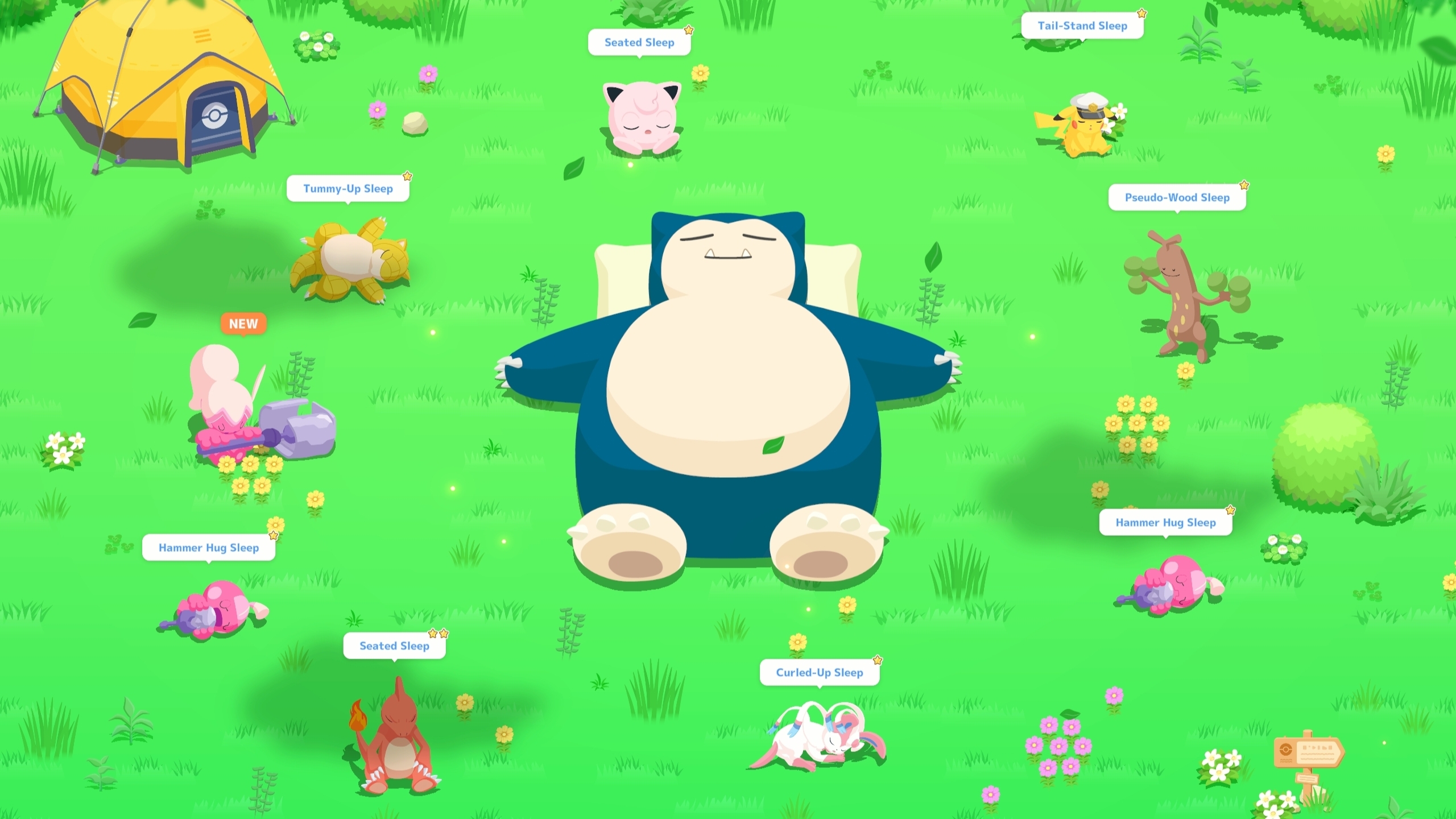
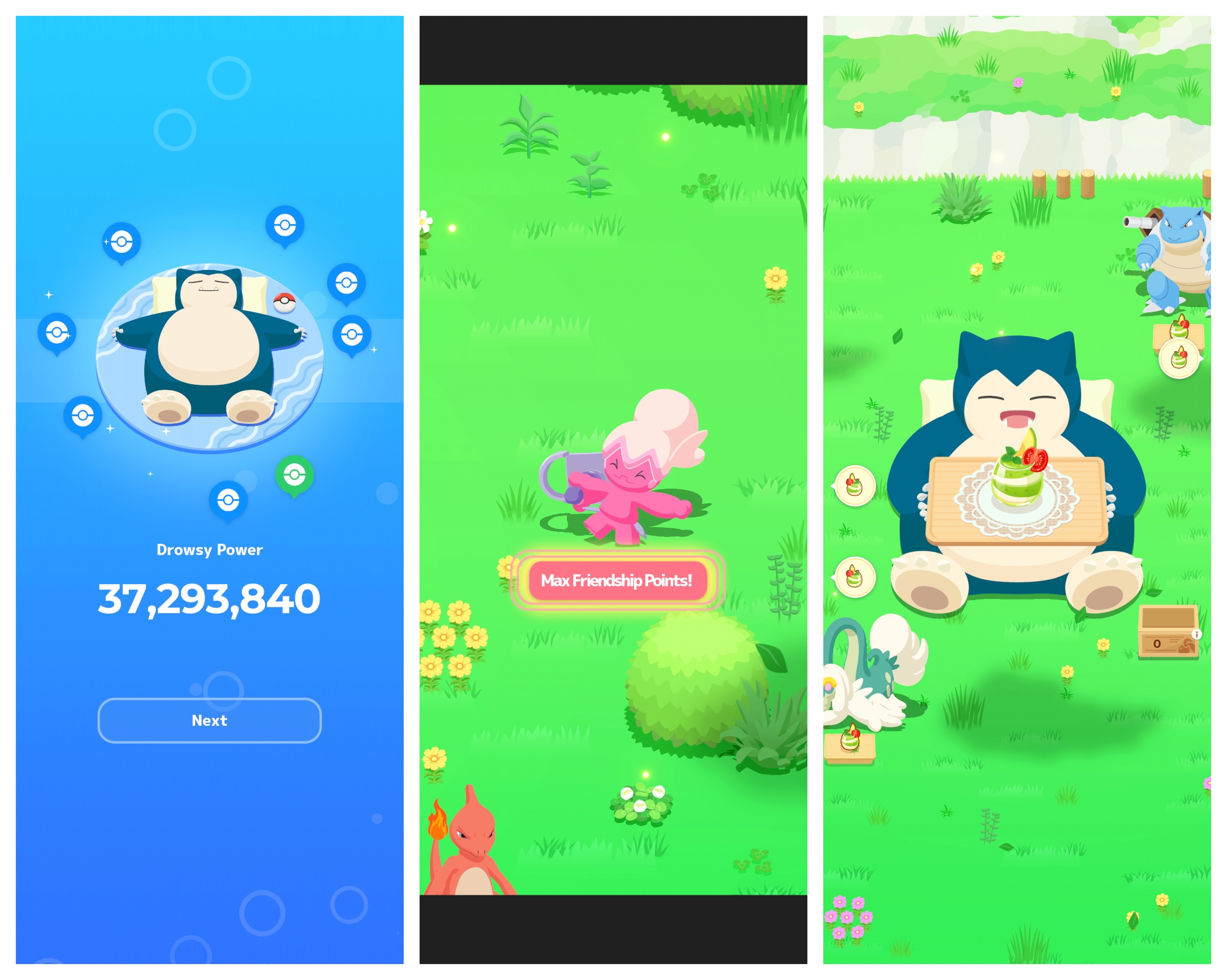
The core mechanics of the game center around a perpetually drowsy Snorlax whose primary activities consist of sleeping and eating. As the virtual creature slumbers, it naturally attracts a variety of wild Pokémon to gather around it. The user’s nightly rest translates directly into points that contribute to the Snorlax’s overall Drowsy Power. A higher Drowsy Power rating directly increases the number of Pokémon that appear the following morning. Furthermore, the specific classification of the user’s rest—determined by their nightly sleep cycles—influences which creatures materialize, opening up opportunities to encounter rarer species or elusive shiny variants.
Capturing these creatures involves feeding them specialized biscuits and steadily building friendship points before they reach their appetite limit. This mechanic introduces a balance of anticipation and light frustration as players attempt to befriend specific characters, each equipped with distinct attributes designed to assist progression throughout the virtual world.
Managing the Snorlax requires feeding it three times a day to cultivate its strength and encourage growth. Players accomplish this by curating a team of up to five helper Pokémon capable of gathering essential berries and ingredients. These items are then combined to prepare various dishes, with each meal contributing differing amounts of strength to the virtual companion. Additionally, individual creatures possess unique special skills that provide strategic advantages. Unlocking advanced skills and rarer ingredients demands careful planning, as players must evaluate a creature’s innate nature, ingredient pool, and other attributes to determine whether a specific companion is truly worth the investment of collected candies needed for leveling up and evolution.
Where the Fitbit Air Fits
Pokémon Sleep supports several distinct methods for monitoring nightly rest, including direct integration with the Google Health ecosystem. While users can theoretically rely on traditional, feature-rich smartwatches such as the Pixel Watch 5, many consumers find these devices relatively heavy, cumbersome, and uncomfortable to wear continuously throughout the night. This ergonomic challenge is precisely where the Fitbit Air steps in to fill a vital gap for sleep-focused consumers.
Weighing in at approximately 12 grams when attached to its band, the Fitbit Air is remarkably featherlight, creating a sensation that the user is barely wearing anything at all. This exceptional comfort makes it one of the most pleasant wearables available for overnight tracking, offering a compelling reason for adoption based purely on physical wearability.
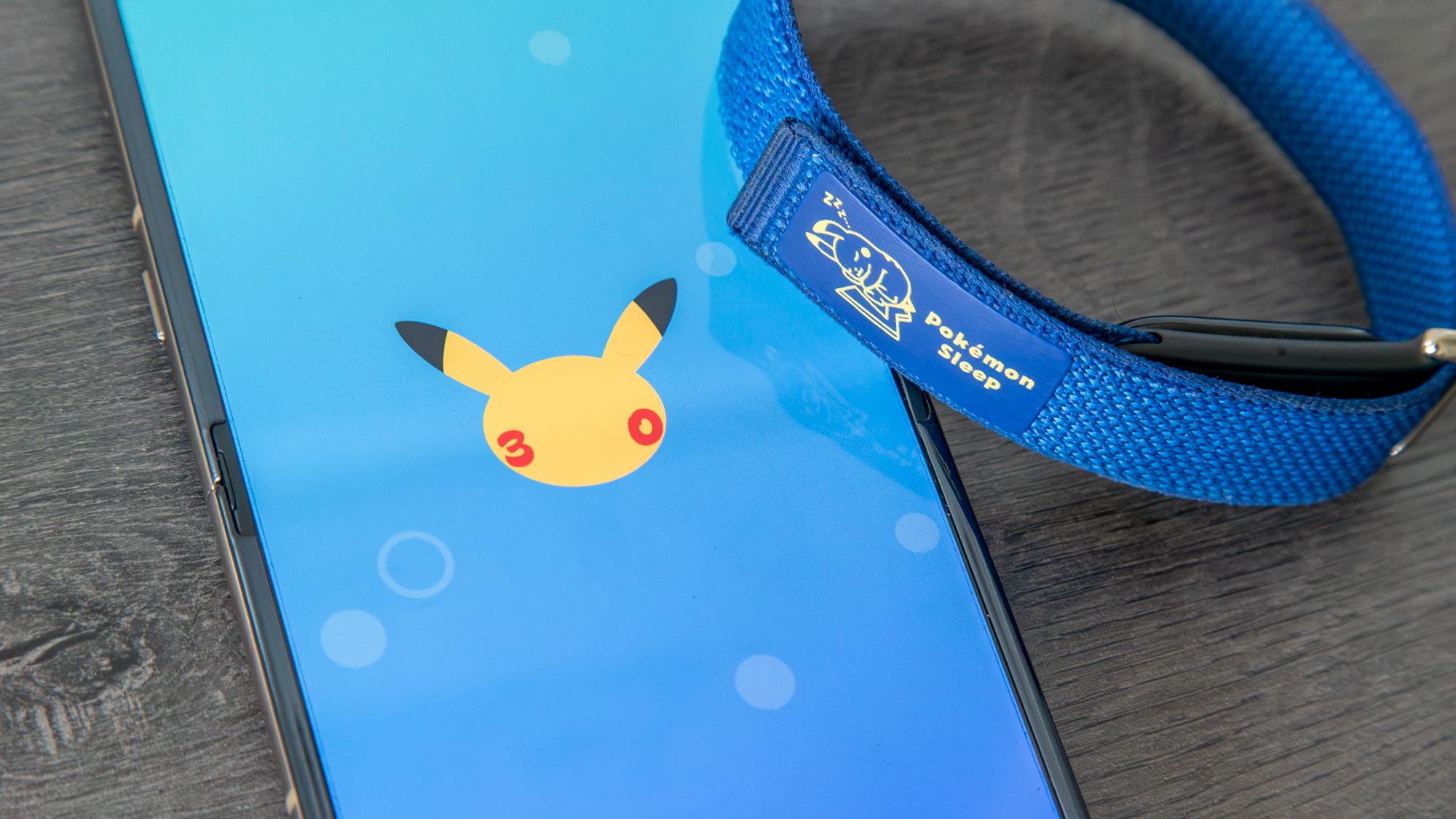
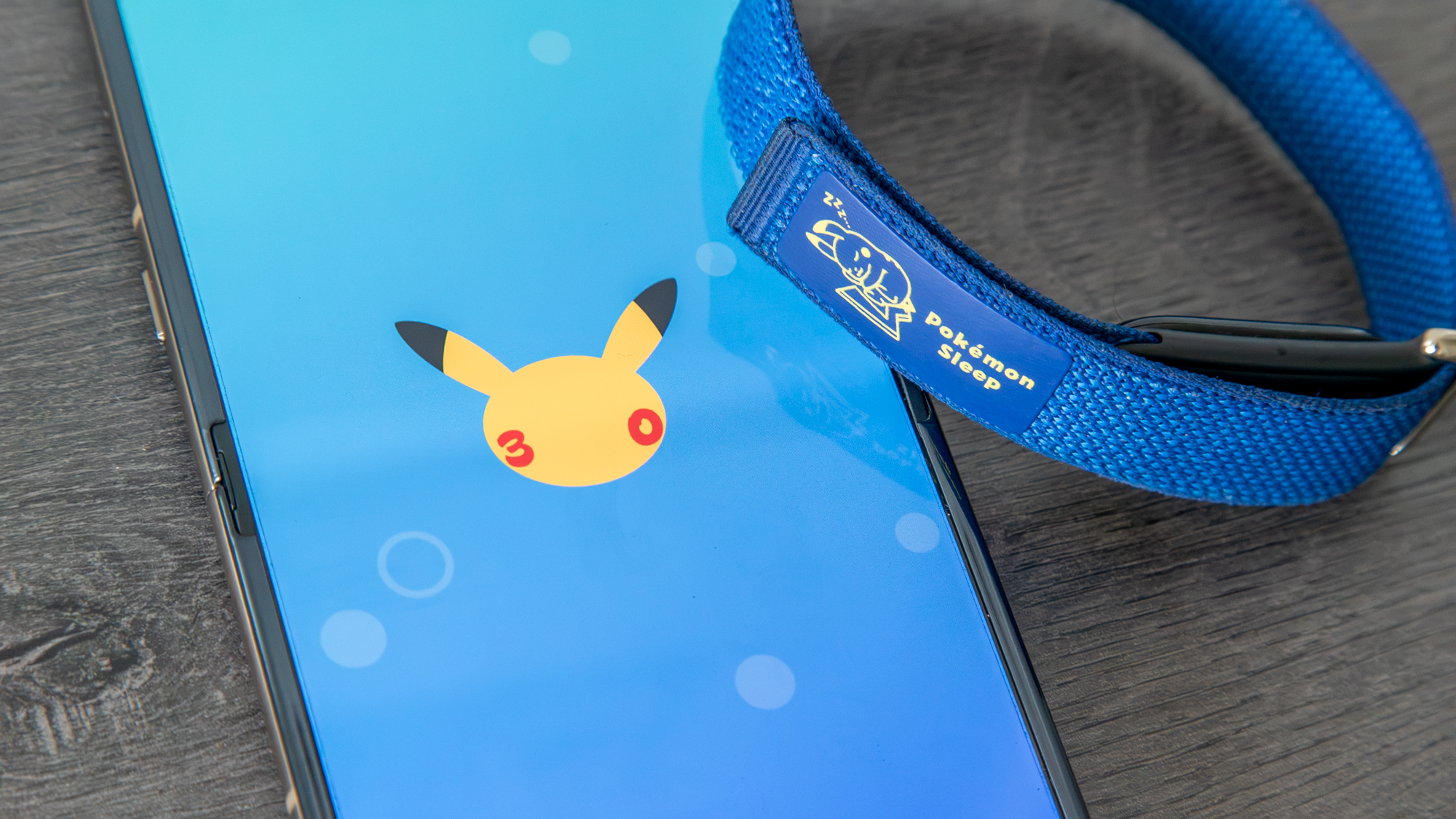
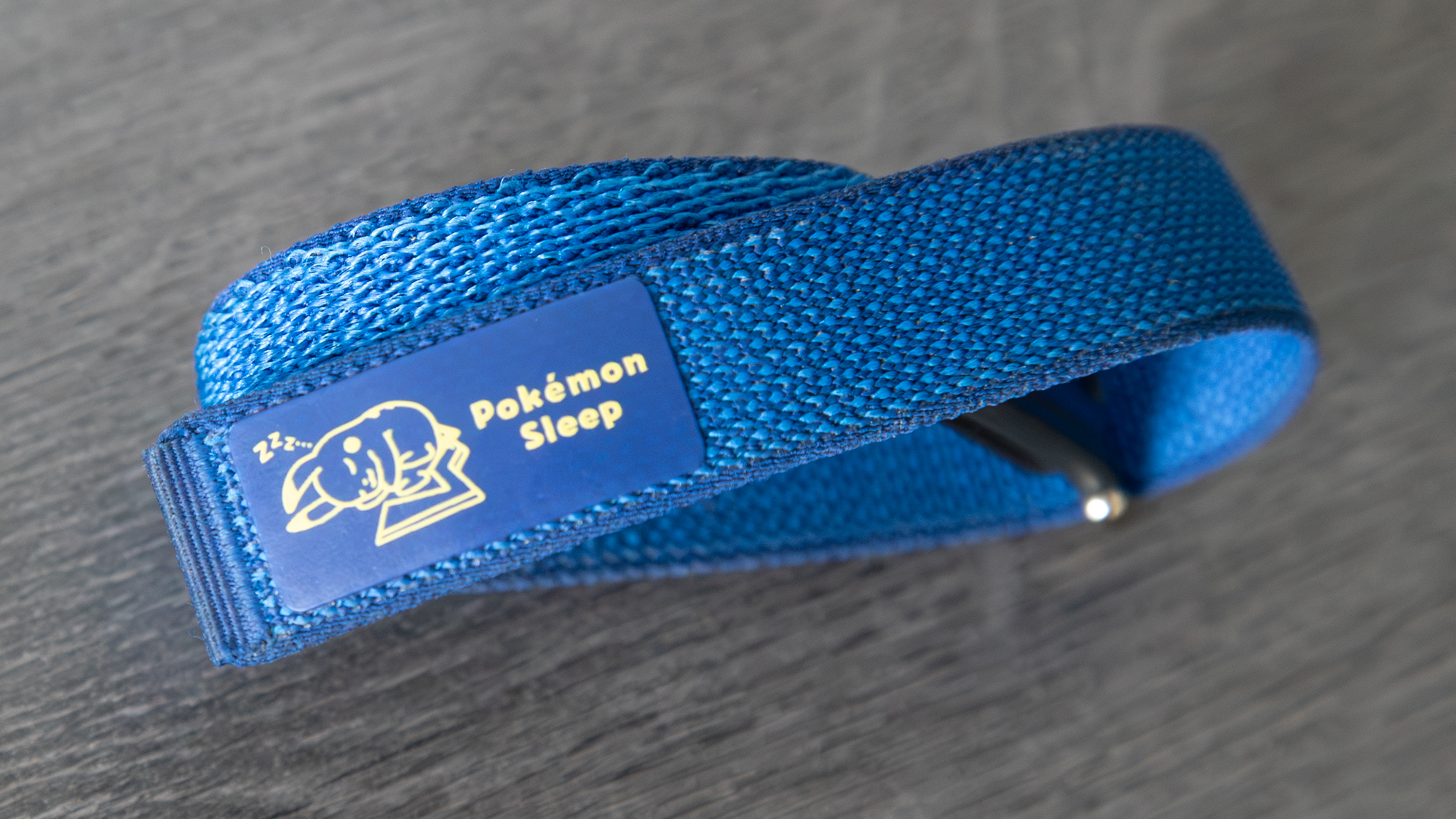
While the device is offered in several appealing colorways, the Special Edition Pokémon Sleep strap stands out as a distinctive aesthetic choice. Featuring a deep blue hue paired with a subtle illustration of a sleeping Pikachu, the design adds a charming, personalized touch for enthusiasts of the iconic gaming franchise without feeling overly intrusive or childish.
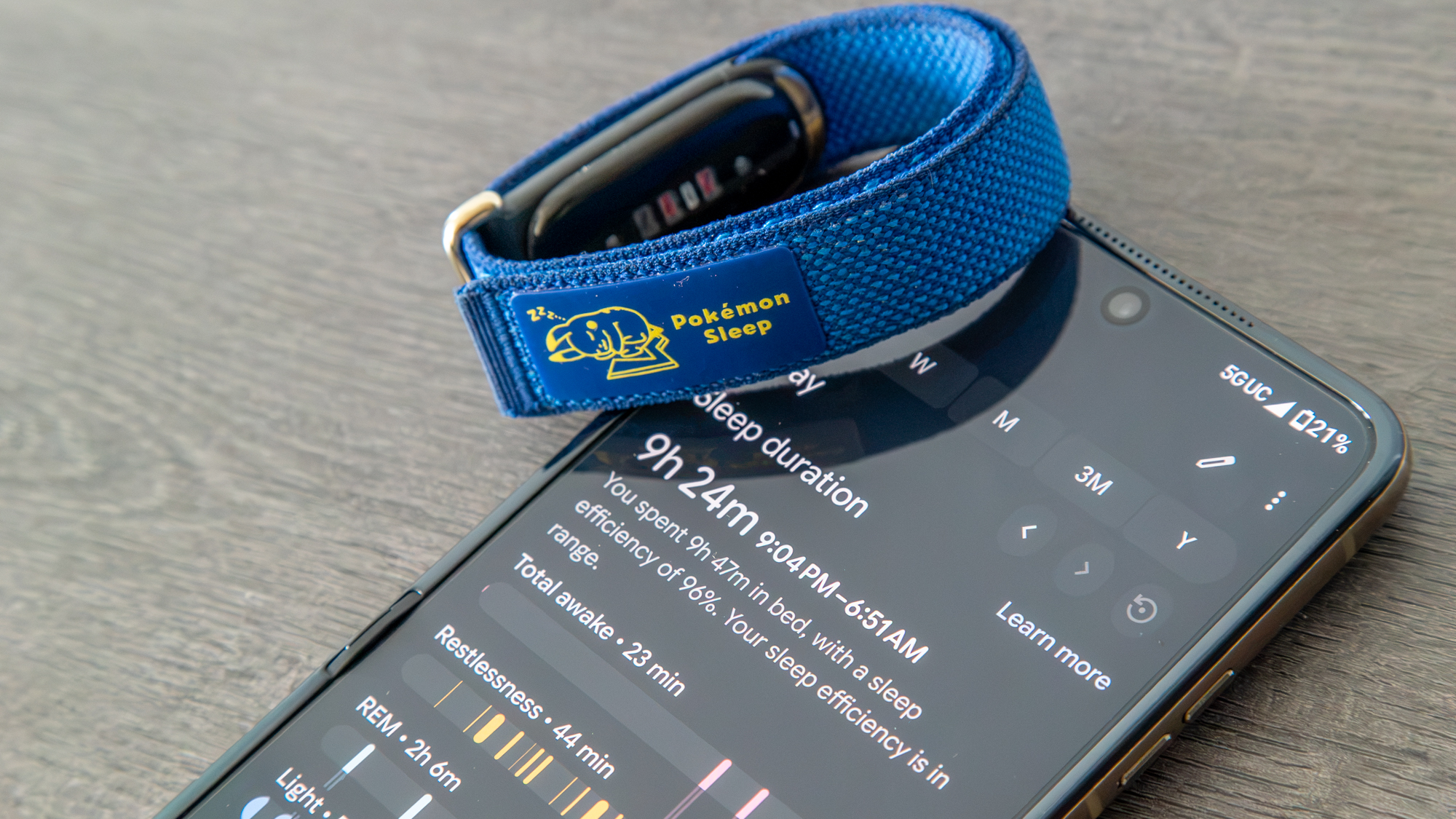
Beyond its charming appearance, the device delivers reliable performance when it comes to fundamental health metrics. Daily comparisons against alternative tracking hardware—such as rings and multi-sport watches—demonstrate that duration, sleep stages, and secondary metrics remain consistently on par with industry standards. Naturally, the Fitbit Air functions as a fully capable health and fitness tracker during waking hours as well. Combined with a robust battery life that easily sustains a full week of continuous operation on a single charge, users are spared the constant inconvenience of having to top off the battery immediately before bed or first thing in the morning.
Setting Up the Fitbit Air to Track Your Sleep in Pokémon Sleep
For newcomers initiating their journey with Pokémon Sleep, the initial configuration process provides a straightforward opportunity to designate Google Health as the primary sleep data source. The application permits connection to a single active source, with alternative options including Samsung Health for Galaxy Watch users and Garmin Connect for owners of Garmin hardware. Individuals transitioning from an alternate tracking source can update their preferences directly within the application’s menu architecture.
By accessing the settings interface and navigating to the smartwatch data management options, users can select Google Health and confirm the adjustment with a simple tap. It remains important for users to ensure any legacy sleep logs are fully synchronized prior to switching sources, as modifying the active connection leaves unsynced historical data behind. Once the Fitbit Air is successfully paired and communicating with the Google Health application, the system is fully prepared to monitor nightly rest while the user works toward completing their virtual collection.
The seamless integration offers a low-friction entry point for anyone looking to engage with the franchise in a novel way while simultaneously establishing healthier, more consistent rest schedules. The Fitbit Air bundled with the Special Edition Pokémon Sleep band is available now on the Google Store for $129.
Leave a Reply