
When James Yen began his career at Blizzard Entertainment assisting players as a World of Warcraft game master, he never imagined he would one day be tasked with resurrecting one of the company’s most beloved yet challenging projects. In 2015, Yen made his official transition into game development, joining the team behind Heroes of the Storm. At the time, Blizzard was entering the fiercely competitive multiplayer online battle arena (MOBA) market late, attempting to carve out space against established giants like Dota 2 and League of Legends. Those rival titles had originally grown out of custom game modes popularized during the height of Warcraft 3.
While Heroes of the Storm brought a unique, objective-focused flavor to the genre by featuring an expansive roster of iconic characters from Blizzard’s storied franchises, it ultimately failed to achieve the massive, genre-defining dominance of company staples like World of Warcraft or Overwatch. By 2017, Yen had transitioned away from the project to work on Hearthstone and various remastered titles within Blizzard’s back catalog. Shortly after, the writing appeared to be on the wall for the Nexus. In December 2018, Blizzard instituted a drastic scaling back of active development and esports support for Heroes of the Storm. By the end of 2020, the studio made the difficult decision to cease the creation of entirely new heroes, shifting the game into a prolonged holding pattern where servers remained active, but fresh content completely dried up.
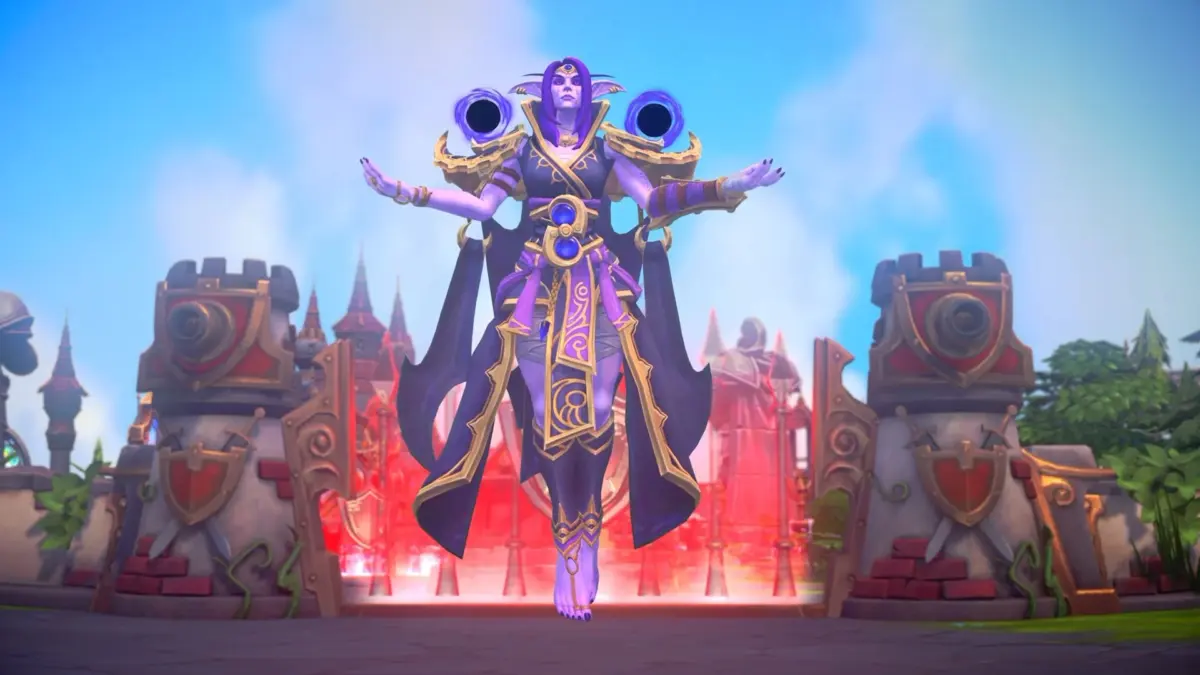
For nearly four years, the game lingered in obscurity, maintained only by automated systems and occasional maintenance. However, behind the scenes, a quiet movement was taking shape. By 2022, Yen had returned to the project that had launched his development career, stepping into the role of lead game producer. His mission was as daunting as it was unexpected: revitalize a game that the publisher had seemingly left behind. Following years of meticulous rebuilding, community rebuilding, and cautious planning, Heroes of the Storm made a triumphant return during the opening ceremony of BlizzCon, complete with a cinematic reveal for a brand-new hero, World of Warcraft’s dark and formidable antagonist, Xal’atath.

According to Yen, the future for the resurrected MOBA is stable and carefully considered. Speaking with reporters at BlizzCon, Yen revealed that the development team is operating with concrete internal milestones and a renewed focus on continuous content delivery. This unexpected comeback is the culmination of years of quiet, deliberate labor designed to breathe new life into a title without overpromising to an anxious community. If this measured approach continues to bear fruit, it could very well mark the beginning of a stable new chapter for the game.
Reigniting the Core of Heroes of the Storm
Stepping back into the director’s chair in 2022, Yen and his team immediately recognized the emotional rollercoaster the player base had experienced through years of abandoned roadmaps and silent updates. The community had weathered numerous highs and lows, making trust a scarce commodity. Consequently, the team established a guiding philosophy centered not on grand, bombastic promises, but on long-term viability.
"In 2022, when we came back, we felt how the community felt about all the ups and downs and things that have happened," Yen reflected. "It’s our mission to make sure that Heroes of the Storm is a sustainable product. That’s how we approached it."

The modern Heroes of the Storm development unit consists of a small, highly passionate core group of developers. Rather than immediately rushing out flashy marketing campaigns or new characters, the team focused their initial efforts entirely on unglamorous, non-player-facing infrastructure. They overhauled development tools and modernized game architecture, recognizing that if they wanted to produce sustainable content moving forward, the internal workflow needed a complete modernization. To facilitate this massive foundational overhaul, Blizzard formally announced that new content would be paused, leading to a stretch of more than a year where official updates went completely silent.
This quiet period eventually laid the technical groundwork necessary to implement substantial tweaks to the aging game. Regular patching resumed in September 2023, with minor patches rolling out roughly once a month. Initially, these updates focused strictly on vital bug fixes and foundational stability. Eventually, the team expanded their scope to include delicate balance adjustments and quality-of-life enhancements.
While no new heroes were added during these initial phases, Yen remains convinced that starting with bug fixes was the correct path. It allowed the returning developers to reacquaint themselves intimately with the game’s underlying code and mechanics. As these updates began to subtly shift the in-game experience, the community took notice. Yen fondly recalls watching online content creators dissecting minute interface changes on video platforms, generating organic buzz that served as a powerful morale boost for the hardworking development crew.
Despite the relative quiet surrounding the game throughout much of the 2020s, Yen clarifies that corporate leadership at Blizzard never actively blocked development on the project. Instead, the burden of proof lay squarely on the shoulders of the development team. They needed to demonstrate that a revival made practical business and creative sense before asking for broader support. By methodically checking off internal milestones, the team built a compelling case to present to the company, proving that the foundation was strong enough to support a full-scale return.
Creating Xal’atath
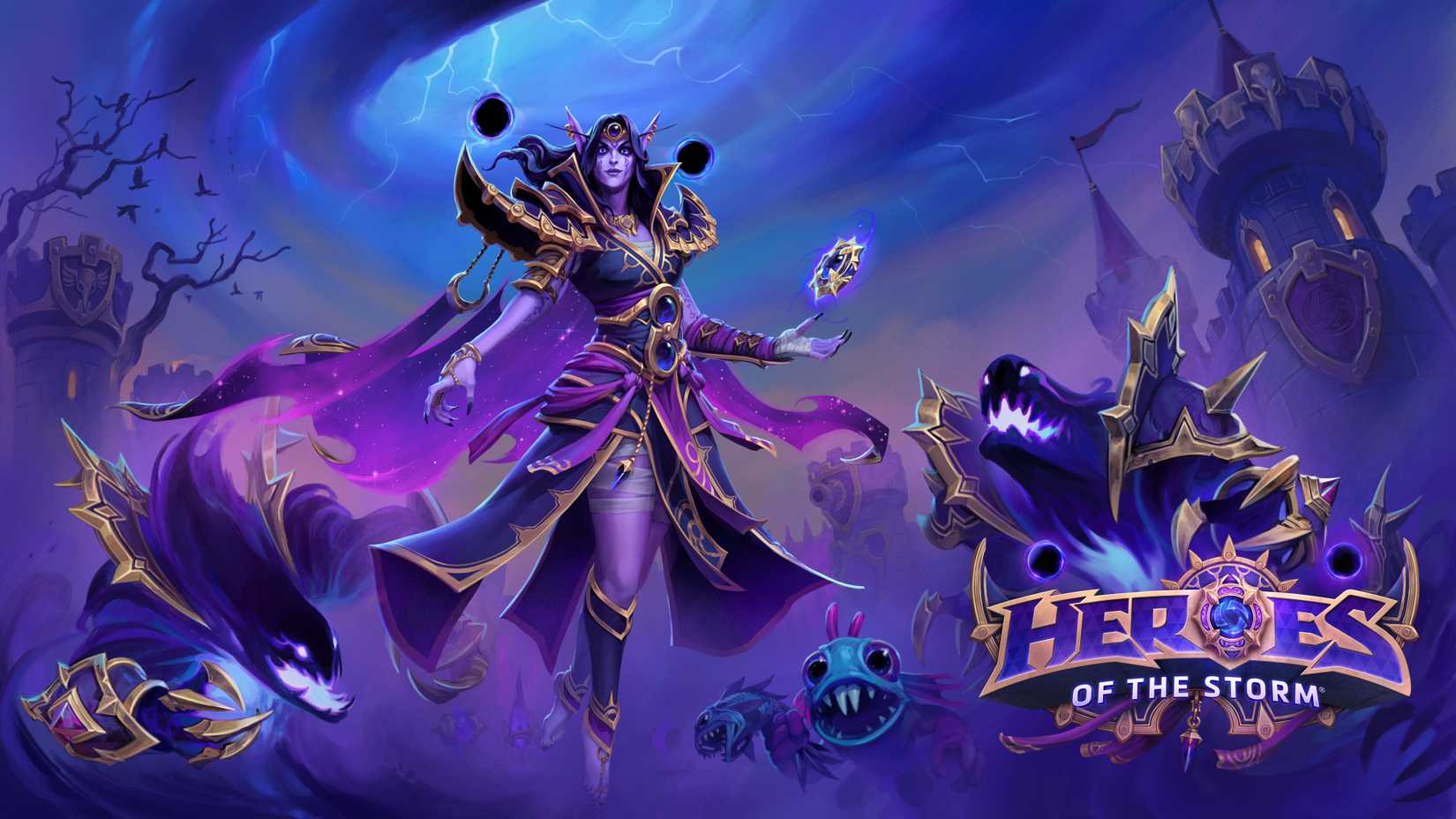
About a year ago, the development team finally reached a critical inflection point where they felt confident enough to begin designing an entirely new character. While the team brainstormed potential crossover candidates from contemporary blockbuster titles like Overwatch and Diablo 4, they ultimately gravitated toward Xal’atath, a prominent antagonist hailing from the World of Warcraft: Midnight expansion arc. Yen was immediately drawn to her dark, malevolent aesthetic, noting a desire to lean into an even more snarky and menacing persona within the Nexus. Furthermore, her iconic orb-based combat style provided a natural framework for designing a unique and visually striking kit of abilities, with valuable feedback coming directly from developers working on the World of Warcraft team.
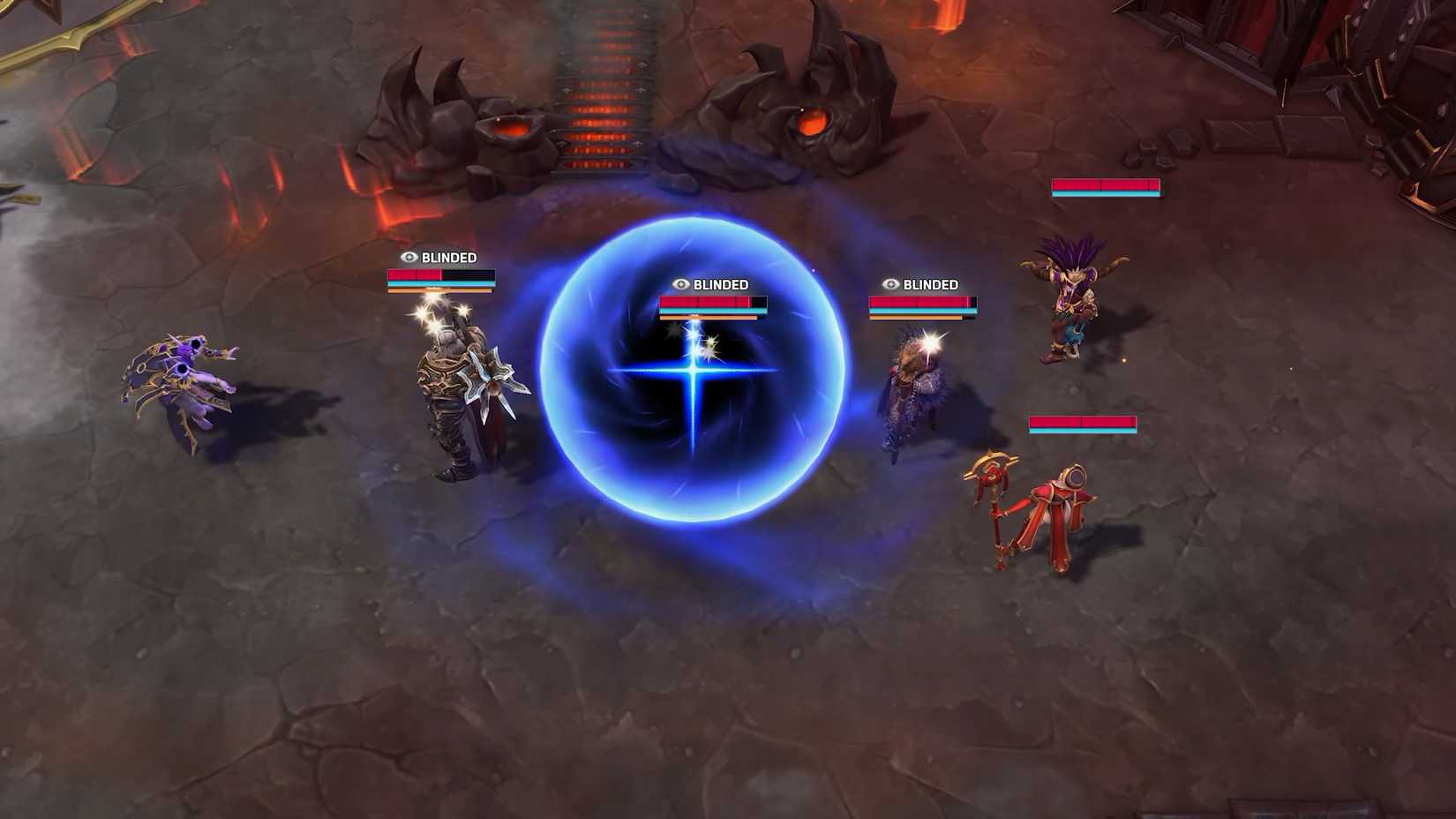
Bringing the game’s first new character in years to life was not without its creative challenges. Early in development, the team envisioned Xal’atath as a support character. However, exhaustive internal playtesting revealed that this particular role did not translate into engaging gameplay within the fast-paced context of Heroes of the Storm. Recognizing the misstep, the team quickly pivoted, redesigning her into a ranged assassin specializing in powerful, area-of-effect abilities capable of exerting heavy control over individual lanes. This iteration proved to be an immediate success during testing.
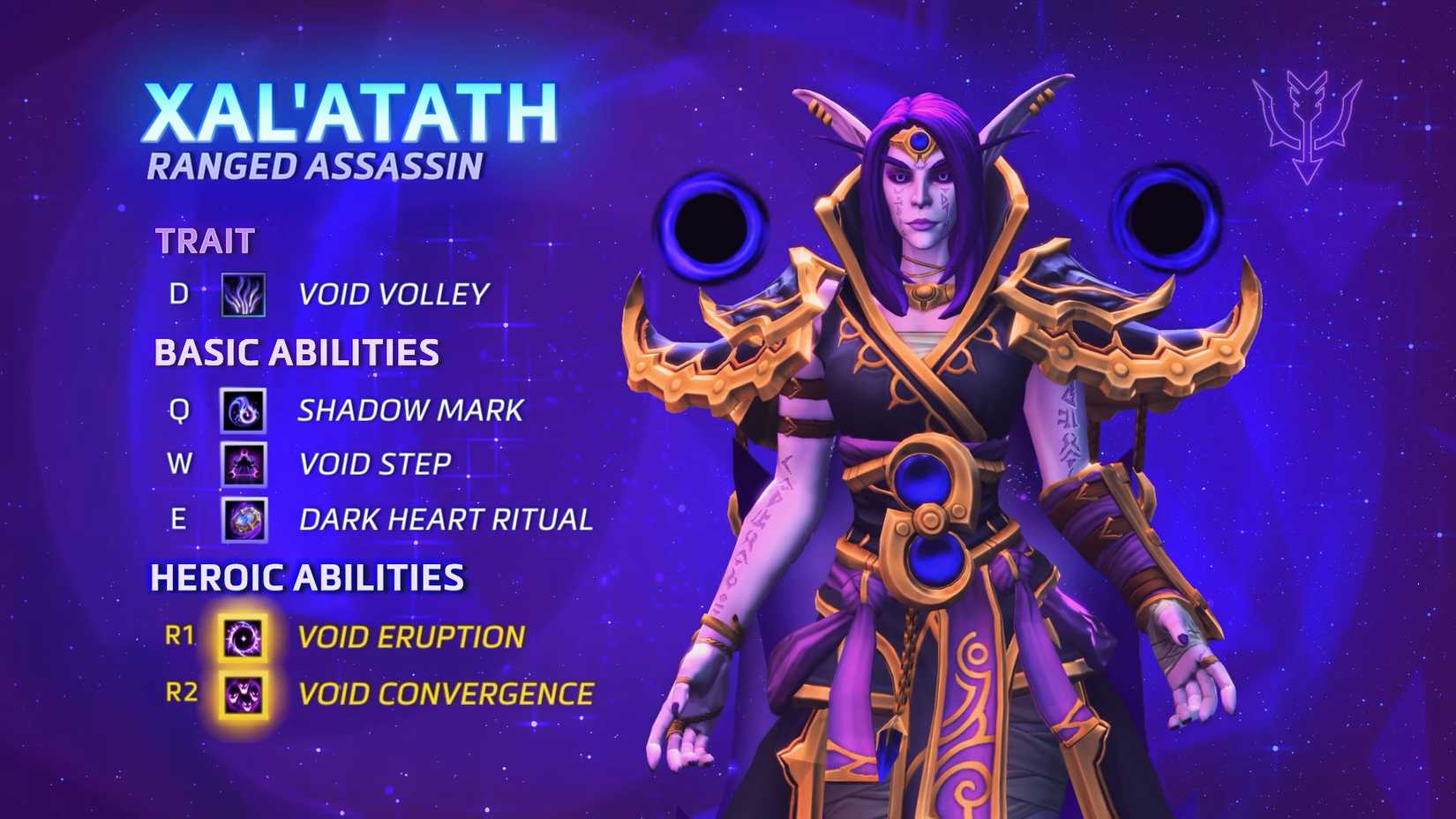
For players getting their hands on Xal’atath, the character represents a deliberate design philosophy. She is not intended to be a simple, accessible entry point for casual newcomers looking to ease into the genre. Yen readily categorizes her as a medium-to-complex character designed around deep mechanical synergies and intricate ability combos.
Rather than casting a wide net to capture completely new audiences, Blizzard deliberately chose to reward the loyal veterans who have stuck with the game through its darkest hours. Yen emphasizes that catering to the existing player base is paramount to sustainable growth, noting that deeply engaged fans are ultimately the best advocates for the game’s long-term health.
Xal’atath was officially unveiled during the opening keynote address of BlizzCon by Blizzard president Johanna Faries, instantly signaling to the audience that the studio was serious about the game’s return. The character made her debut on the game’s public test realm shortly after the announcement, with a full, public rollout scheduled for late September.
What’s Next for Heroes of the Storm?
Following the dramatic reveal of Xal’atath, Faries offered a tantalizing tease during her opening ceremony remarks, hinting that additional heroes might be on the horizon in the near future. Even so, Yen maintained a cautious stance during subsequent interviews, choosing not to explicitly confirm an imminent release schedule while underscoring the team’s ongoing commitment to the existing player base.
Rather than outlining a rigid, highly ambitious roadmap that risks overpromising, Blizzard is firmly committed to maintaining the measured, deliberate pace that facilitated this current revival. Yen acknowledges the inherent unpredictability of software engineering, noting that while the team maintains internal target dates and conceptual plans, unexpected hurdles can always shift timelines. Ultimately, the creative compass remains pointed squarely toward fun and community resonance.
Yen repeatedly underscores the importance of staying grounded in the present moment. This day-by-day, iterative mentality is what ultimately saved Heroes of the Storm from permanent obscurity. By starting small with bug fixes, moving systematically to balance patches, and finally delivering a complex new hero, the development team has successfully reestablished a sustainable ecosystem. While questions regarding future platform expansions or console ports remain unanswered for now, the overarching message from the studio is clear: Heroes of the Storm is back, and the development team is ready to walk alongside its community once more.

Leave a Reply