
The video game industry appeared to have silently agreed upon an unwritten commandment for the 2026 release calendar: thou shalt not launch a competing title in the same month as Grand Theft Auto 6. Major publishers across the globe meticulously mapped out their autumn schedules to steer clear of Rockstar Games’ colossal impending blockbuster. Yet, in true Nintendo fashion, the Japanese gaming giant appears to have completely missed the memo.
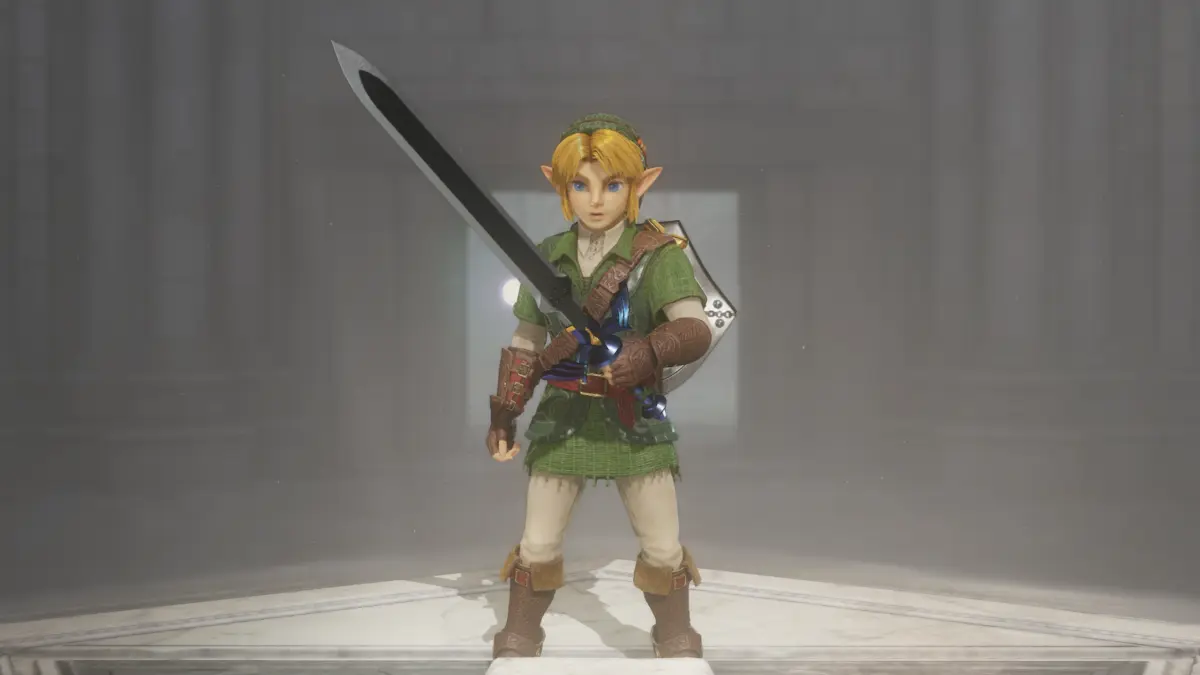
After weeks of speculation suggesting Nintendo might play it safe and push its major autumn offering into a December holiday slot, the company has officially chosen to plant its flag on November 5. This strategic placement lands the highly anticipated remake of The Legend of Zelda: Ocarina of Time a mere two weeks before the much-anticipated arrival of Grand Theft Auto 6.
As the autumn release landscape takes shape, Nintendo stands virtually alone as the only major publisher willing to take a calculated gamble on a November release window, with the sole minor exception being Sega and Atlus rolling out the Switch 2 version of Metaphor: ReFantazio a week later on November 12. In stark contrast, the rest of the industry has heavily crammed its releases into September and October to build a safe buffer against the upcoming Rockstar juggernaut. Only a few other titles are scheduled to see the light of day in early December, such as the strategy sequel Warhammer 40,000: Dawn of War 4 alongside Nintendo’s own re-release of Xenoblade Chronicles 3.
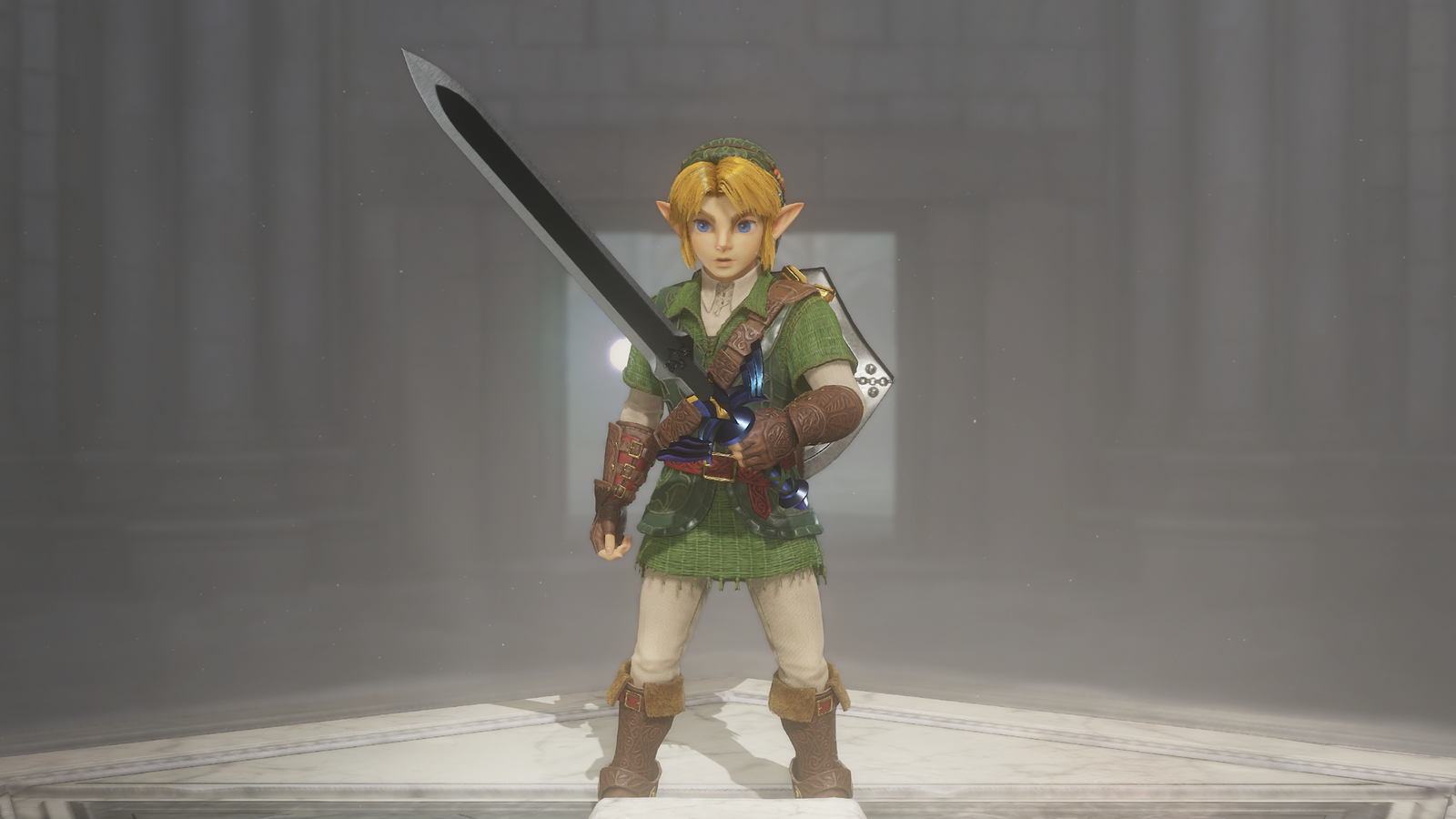
The Zelda: Ocarina of Time Release Date Clearly Ignores GTA 6
The sheer blast radius of GTA 6 has dictated industry strategy for quite some time, making Nintendo’s decision to march right into its crosshairs a remarkably daring move. Industry analysts have long debated the dangers of challenging a cultural phenomenon of that scale. Launching too close in the wake of GTA 6 means running into an audience completely consumed by the streets of Vice City, while releasing too early risks finding gamers’ time and disposable income already earmarked weeks in advance.
Nintendo, however, remains seemingly unbothered by conventional industry panic. While the company loves to project an aura of total indifference toward the broader gaming ecosystem’s anxieties, this calculated risk is grounded in careful market positioning. What gives Nintendo the distinct confidence to sidle so close to what is projected to be the largest entertainment launch in human history—a level of assurance that no other major publisher dares to exhibit?
For starters, Nintendo operates within a fundamentally different audience segment. Although a sizable overlap certainly exists between core gamers who enjoy Nintendo hardware and those who dive into Grand Theft Auto, both companies possess massive mainstream followings that remain largely distinct. Nintendo’s expansive family-oriented demographic represents a core gaming constituency where the immediate market saturation of GTA 6 will simply not be felt as acutely. On a purely practical and technical level, GTA 6 is not slated for release on the Switch 2, meaning Ocarina of Time enjoys a completely uncontested runway on Nintendo’s platform.

There is also a deep sense of justified bullishness driving Nintendo’s scheduling choice. If any singular intellectual property possesses the immense cultural weight required to cut straight through the deafening noise of a GTA launch, it is The Legend of Zelda. The franchise has scaled unprecedented heights of mainstream consciousness since the landmark success of Breath of the Wild. The emotional bond players share with the Zelda franchise at large, and Ocarina of Time in particular, is both intense and intensely reverential. Even though this upcoming release is a remake rather than an entirely new installment, it reimagines a game of monumental, legendary stature—one that is routinely cited by critics and fans alike as the greatest video game ever made.
Naturally, Nintendo’s artistic choices in bringing the classic title into the modern era are bound to stir debate and controversy, and early glimpses have already ignited passionate discussions within the community. Rather than dampening enthusiasm, however, this discourse only amplifies the sense of theatrical drama surrounding the launch. This release is shaping up to be an undeniable cultural event, easily standing as the biggest gaming happening of the year outside of GTA 6 itself.
Beyond pride and artistic statement, there is clear pragmatism and strategic opportunism at play in Nintendo’s chosen calendar date. Ocarina of Time slots neatly into the middle of a gaping three-week vacancy in the fall release schedule—a vacuum of a kind that the industry has rarely, if ever, witnessed before. For a brief, golden window of time, the legendary hero’s latest iteration will have the center stage entirely to itself.

Ultimately, Nintendo has undeniably displayed courage, but it has done so with a clear-eyed understanding of the landscape. Two weeks may be closer to GTA 6 than any other major competitor dared to venture, but it remains a respectful distance. Nintendo knows it holds the only card capable of drawing mainstream attention away from the gaming world’s biggest event, but it also understands its place on the board as it prepares to share the autumn spotlight.

Leave a Reply