
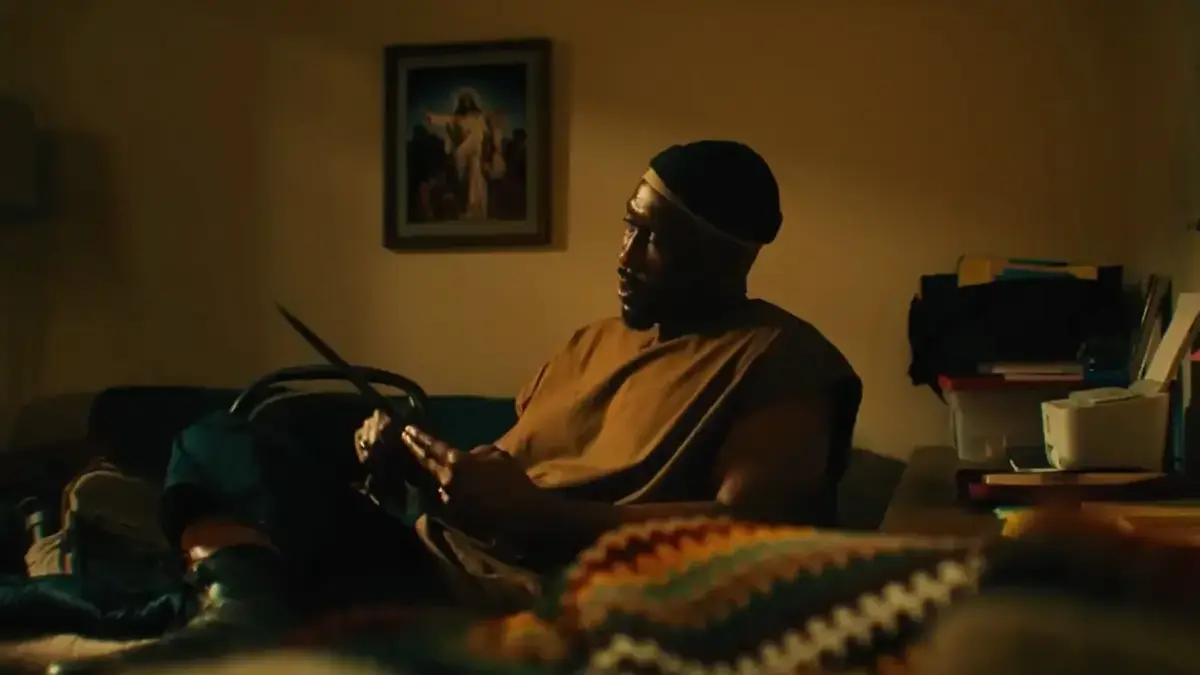
Ahead of its high-profile world premiere at the 2026 Toronto International Film Festival, director Bassam Tariq is reflecting on the brutal, yet ultimately serendipitous, journey that led to his latest cinematic achievement: Your Mother Your Mother Your Mother.
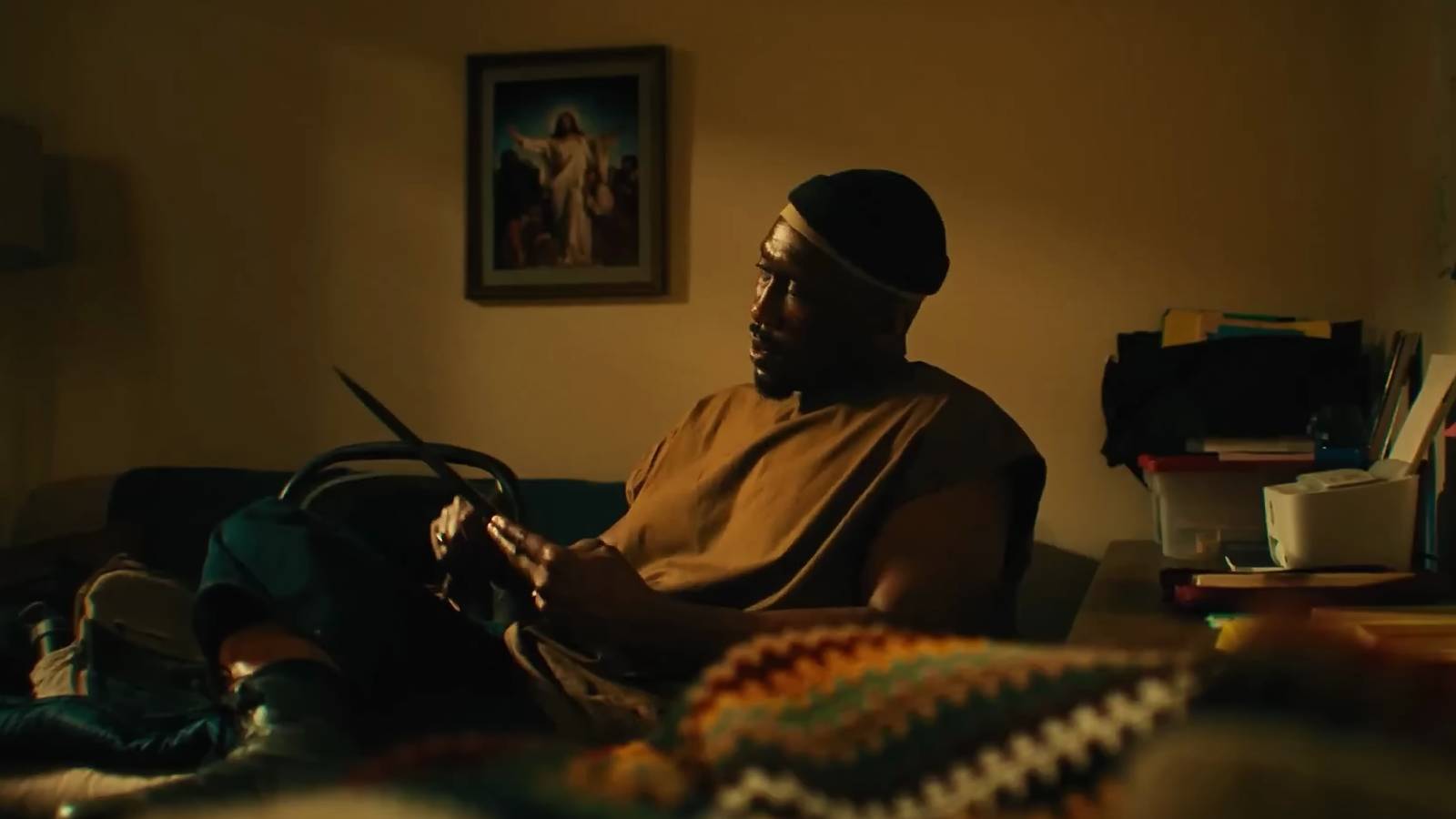
The riveting, genre-defying drama follows a Muslim contract killer in Texas navigating the perilous underworld while fighting to protect his children and provide for his newborn baby. Undulating seamlessly from deeply grounded family drama to full-scale, high-octane action reminiscent of the John Wick franchise at a moment’s notice, the film represents far more than a simple pivot for its creators. For both Tariq and star Mahershala Ali, Your Mother Your Mother Your Mother feels unmistakably like the movie they were born to make.
The project arrives following a notoriously rocky chapter in Hollywood: Marvel’s prolonged struggles and eventual shelving of its long-gestating Blade reboot, which Tariq was originally slated to direct alongside Ali. Yet, rather than allowing industry setbacks to derail their creative momentum, Tariq and Ali turned the ashes of that stalled blockbuster into something deeply personal, striking, and entirely their own.
A Creative Partnership Born of Necessity and Vision
Speaking ahead of the film’s September 25 theatrical release, Tariq opened up about crafting a film that balances intense adrenaline rushes with profound personal introspection. In conversation, the filmmaker’s eclectic influences readily emerge, ranging from classic auteur cinema like the works of Lynne Ramsay to unexpected touchstones from video game history, such as the cult-classic adventure title Shenmue.
At the heart of the film is a palpable, razor-sharp synergy between director and star. Describing his creative bond with Ali, Tariq emphasizes that filmmaking at this level relies entirely on artistic collaboration and finding the right creative muse.
"Film is so collaborative, dude. It’s so incredibly collaborative, and I think you need a muse," Tariq explains, drawing comparisons to Lynne Ramsay’s writing process for You Were Never Really Here, where filmmaker Joaquin Phoenix served as an immutable focal point from the earliest drafts.
Remarkably, Tariq had Ali in mind for the lead role of Latif long before they formally joined forces. In the earliest script drafts written during the COVID-19 pandemic—prior to boarding the Blade project—Tariq did not even assign a proper name to the protagonist. He simply wrote "Mahershala" into the screenplay, despite not yet knowing the actor personally.
The two eventually crossed paths over a vegan meal in Los Angeles while still wrestling with the logistics of the Marvel production. The meeting served as a vital vibe check to ensure alignment on the kinds of stories they wanted to tell. That initial encounter immediately solidified their shared desire to collaborate on something independent and uncompromising.
Choosing Author-Driven Storytelling Over Studio Constraints
When asked whether Your Mother Your Mother Your Mother would exist had the Blade movie moved forward as planned, Tariq views the winding path as nothing short of miraculous. Walking away from the massive studio infrastructure provided him with the rare stillness needed to look inward.
Writing the script became an exercise in processing his own challenges as a parent, a husband, and a filmmaker. When the studio machinery came to a halt, Tariq utilized that space to find the strength and confidence required to pitch the deeply personal project to Ali.

While public speculation often runs wild when high-profile director departures hit the entertainment news cycle, Tariq chose to bypass the noise of online discourse. Taking a page from artist Kara Walker, who famously noted that she channels her frustrations directly into her art, Tariq resolved to let the finished work speak for itself.
Reflecting on the stark differences between steering an independent, author-driven picture and operating within a massive corporate machine like Marvel Studios, Tariq points out the fundamental realities of studio filmmaking. While acknowledging that Kevin Feige’s cinematic universe is a brilliant and well-run system, he notes that directors within it are ultimately executing a studio-branded vision rather than an intensely personal artistic statement.
"It’s not a film by Bassam Tariq. It’s a Marvel film that Bassam Tariq is directing. It’s Kevin’s show—and that’s amazing," Tariq says. "So to have a voice as a filmmaker, to be clear and have a position on what a camera means and how a camera should sit, is the better way for me."
Grounding the Character of Latif
When Ali officially boarded the project, the character of Latif evolved through rigorous collaborative workshops. The actor and director held extensive readthroughs, experimenting with vocal rhythms, accents, and physical carriage. Ali developed a distinct southern drawl and a specific gait, deliberately shifting away from his natural physical presence to embody the Texas-based killer.
The shared cultural background between director and star also streamlined the creative process immensely. As a Muslim filmmaker, Tariq frequently finds himself in the position of having to explain cultural nuances, religious practices, and spatial orientations to collaborators. Working with Ali bypassed those hurdles entirely. On set, a simple glance between the two men was often all that was needed to signal mutual understanding.

That effortless authenticity permeates the film’s atmosphere. Rather than treating Islamic faith and culture with an anthropological distance designed to educate an outside observer, Your Mother Your Mother Your Mother plunges audiences directly into the rhythm of daily life. Characters transition organically from prayer inside a mosque and quiet moments at home to the gritty reality of strip clubs and intense combat, all treated with equal weight and immersion.
Studio support was crucial in maintaining that blunt, uncompromising tone. Tariq credits Alana Mayo, head of Orion Pictures, with allowing the filmmakers to present their vision without dilution, operating on the firm belief that modern audiences are sharp enough to connect the dots without being beaten over the head with exposition.
The Unexpected Influence of Video Game Storytelling
Interestingly, Tariq’s approach to narrative pacing and world-building owes as much to interactive media as it does to traditional cinema. Drawing parallels to modern gaming lore—such as the subtle environmental storytelling found in the Five Nights at Freddy’s franchise—Tariq champions the value of trusting audiences to absorb information organically.
"There’s something really great about viewers who just need to know a little bit, just enough to get through. To be treated as if they’re smart," Tariq notes.
That philosophy extends to the film’s structural pacing, which mirrors the cadence of open-world video games. Comparing the movie’s rhythm to classic titles like Chrono Trigger and Sega’s cult-classic Dreamcast adventure Shenmue, Tariq highlights how mundane, everyday routines can amplify high-stakes action. In Shenmue, players alternate between the banality of working a forklift job and engaging in visceral martial arts sequences, creating an emotional contrast that makes the combat feel remarkably earned and alive.

That same philosophy anchors Your Mother Your Mother Your Mother, anchoring brutal action sequences within the quiet, domestic responsibilities of a father trying to survive.
Your Mother Your Mother Your Mother opens in theaters on September 25.


Leave a Reply