
Court is officially in session for eight of the most misunderstood and polarizing villains in video game history. Their collective rap sheet includes an occupied planet, a completely erased painting, an underwater utopian dream gone disastrously to rot, and a staggering body count that stretches across multiple star systems and timelines. Yet, when stripping away the dramatic monologues and bombastic nihilism, a compelling question lingers: What if these antagonists were actually making a somewhat understandable point?

Reading between the lines of their grandiose philosophies often reveals that a centuries-long guilt trip over one catastrophic mistake, or a desperate desire to tear a broken world down and start anew, stems from a twisted form of rational logic. Examining these case files reveals that the evidence might not always point where players expect.
8. Renoir (Clair Obscur: Expedition 33, 2025)
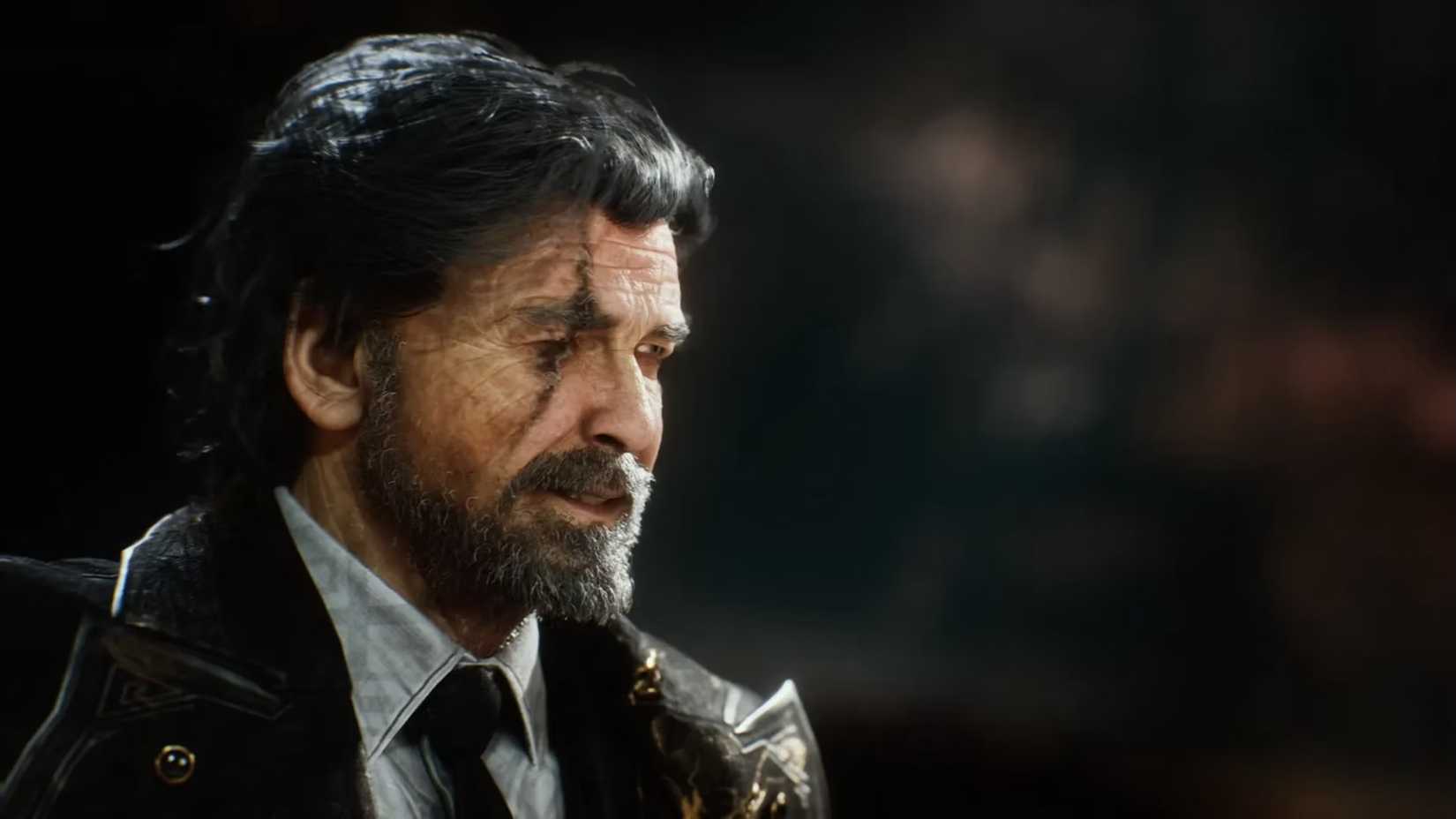
The central antagonist of Clair Obscur: Expedition 33, Renoir, is split into two distinct entities: one painted and one real. The painted version of Renoir fights fiercely alongside Aline to keep the Canvas—and everyone painted into it, including beloved companions—alive, cutting down anyone who threatens that fragile world.

Conversely, the real Renoir, trapped for years and visibly aged compared to his idealized, painted double, wants the exact opposite. He wishes for the Canvas to end entirely so that the family they have lost touch with can stop pouring their collective grief into a fantasy and instead begin the difficult process of healing in reality. Choosing a side ultimately means deciding which grieving father’s heartbreak gets to count as the authentic one.
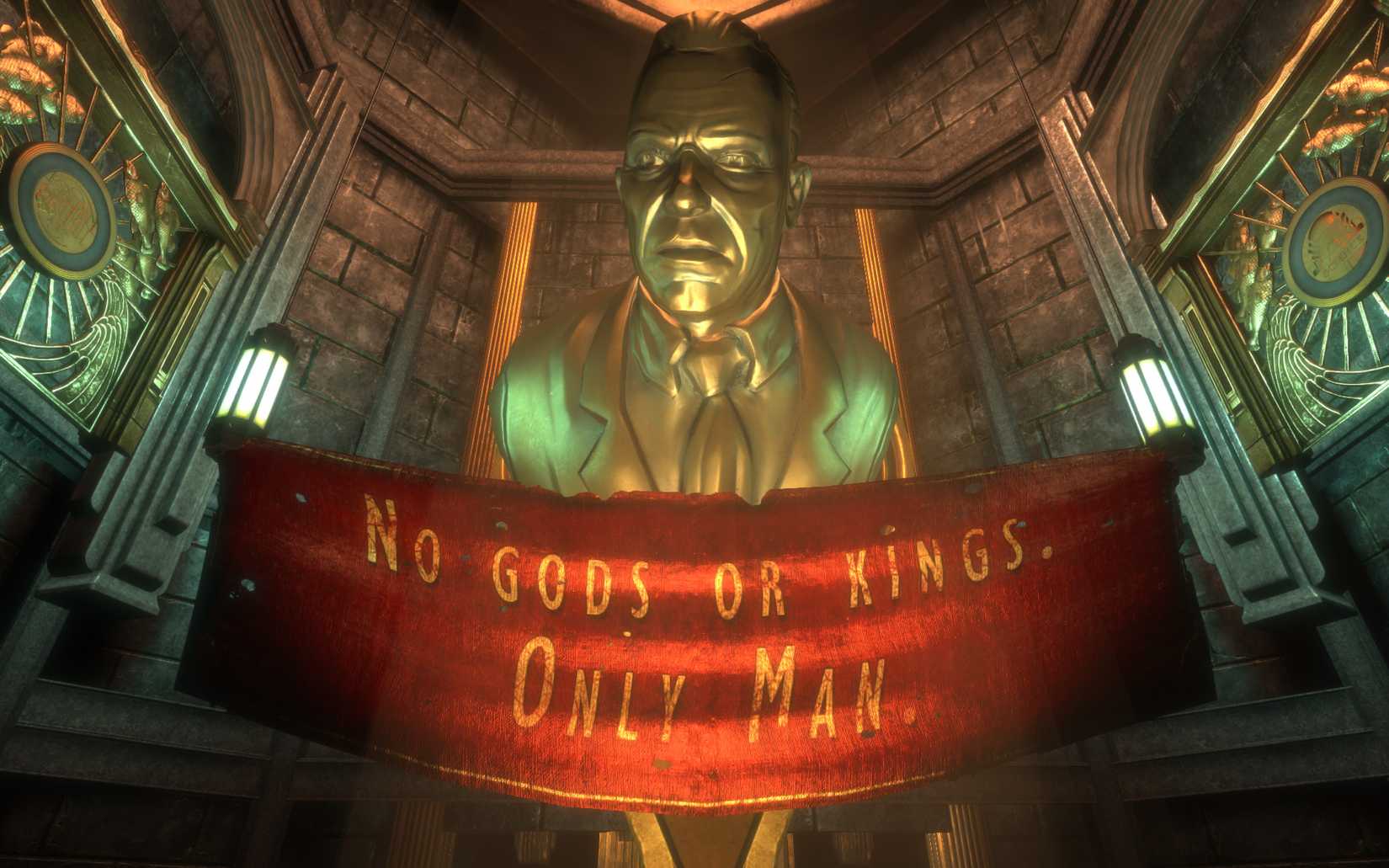
7. Andrew Ryan (BioShock, 2007)
Rapture, the underwater metropolis Andrew Ryan constructed at the bottom of the Atlantic Ocean specifically to escape government oversight and religious interference, was founded on a singular, uncompromising promise: A man’s success belongs to no one but himself. Ryan never wavers from this philosophy, not even when facing his own demise by a golf club at the hands of the protagonist.
By the time players explore the decaying city, many of its denizens have succumbed to an addiction to ADAM, a gene-altering substance that Ryan allowed to flourish with zero oversight because, in his worldview, oversight itself was the ultimate villain. While his foundational bootstrap philosophy never truly changed, his willingness to ruthlessly enforce it escalated dramatically once Frank Fontaine’s black market began successfully competing with him.
6. Kreia (Star Wars: Knights of the Old Republic 2, 2004)
Dealing with a mentor who is technically correct about almost everything while simultaneously making the player character complicit in her cruelty presents a profound moral dilemma. Kreia, the blind mentor guiding the player through Knights of the Old Republic 2, perceives the galaxy’s broken relationship with the Force far more clearly than either the Jedi or the Sith.
Her core argument is that total emotional detachment and total hunger are merely two different ways of avoiding the same uncomfortable truth about the Force. However, she also siphons Force energy directly from her companions without asking, weakening them in the process. This behavior echoes the casual cost-benefit mathematics that once led her to help dismantle the very Jedi Order she so astutely critiques.
5. Emet-Selch (Final Fantasy 14: Shadowbringers, 2019)
The premise offered by Emet-Selch in Shadowbringers is as audacious as it is devastating: undo one apocalypse by causing a smaller one. He genuinely believes this is a sound strategy, spending evenings drinking wine and cracking jokes about the very extinction he is engineering, while simultaneously recreating the souls of his long-dead friends just to spend one more night in their company.

Enacting his plan, however, requires triggering devastating calamities that gut the present-day population of Eorzea, killing real people the player has grown to care about over years of adventures, all to resurrect a civilization that has been dead for millennia. While he views this as a perfectly rational trade-off, the human cost to the living remains staggering.
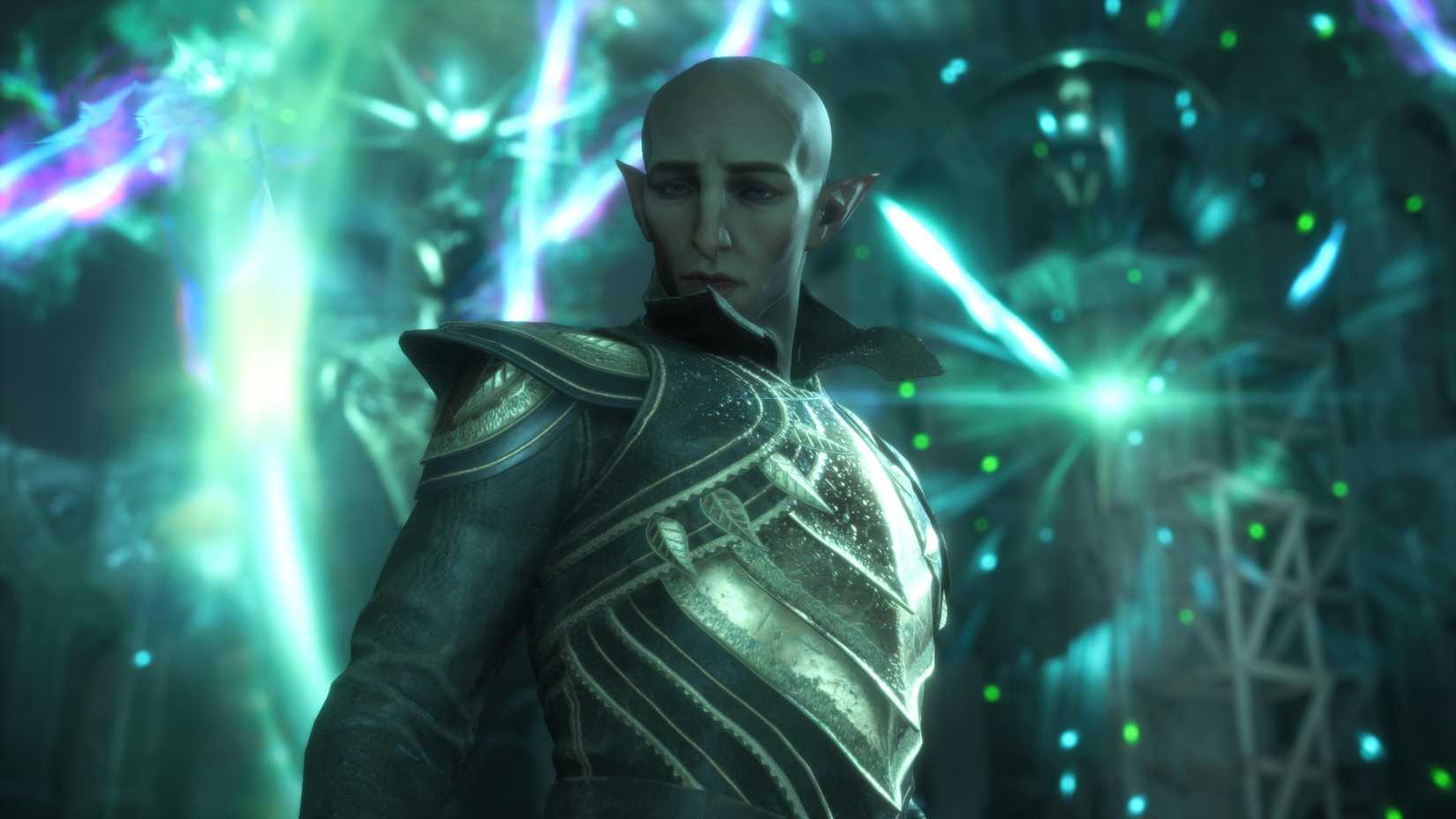
4. Solas (Dragon Age: Inquisition, 2014)
Throughout Dragon Age: Inquisition, Solas poses as a humble elven apostate mage, traveling as a trusted companion and potentially a romantic partner to the Inquisitor. In reality, he is Fen’Harel, the Dread Wolf of elven legend. The Veil separating the physical world of Thedas from the spirit realm is a barrier he built himself thousands of years ago to end a devastating war between ancient elven gods.

While the action successfully ended the immediate conflict, it also severed his people from their immortality, dooming generations of elves to a historic fall. Solas sheds tears and offers deep apologies when his identity is revealed, raising the timeless philosophical question of whether feeling remorse for a horrifying action is enough to wipe a slate clean.
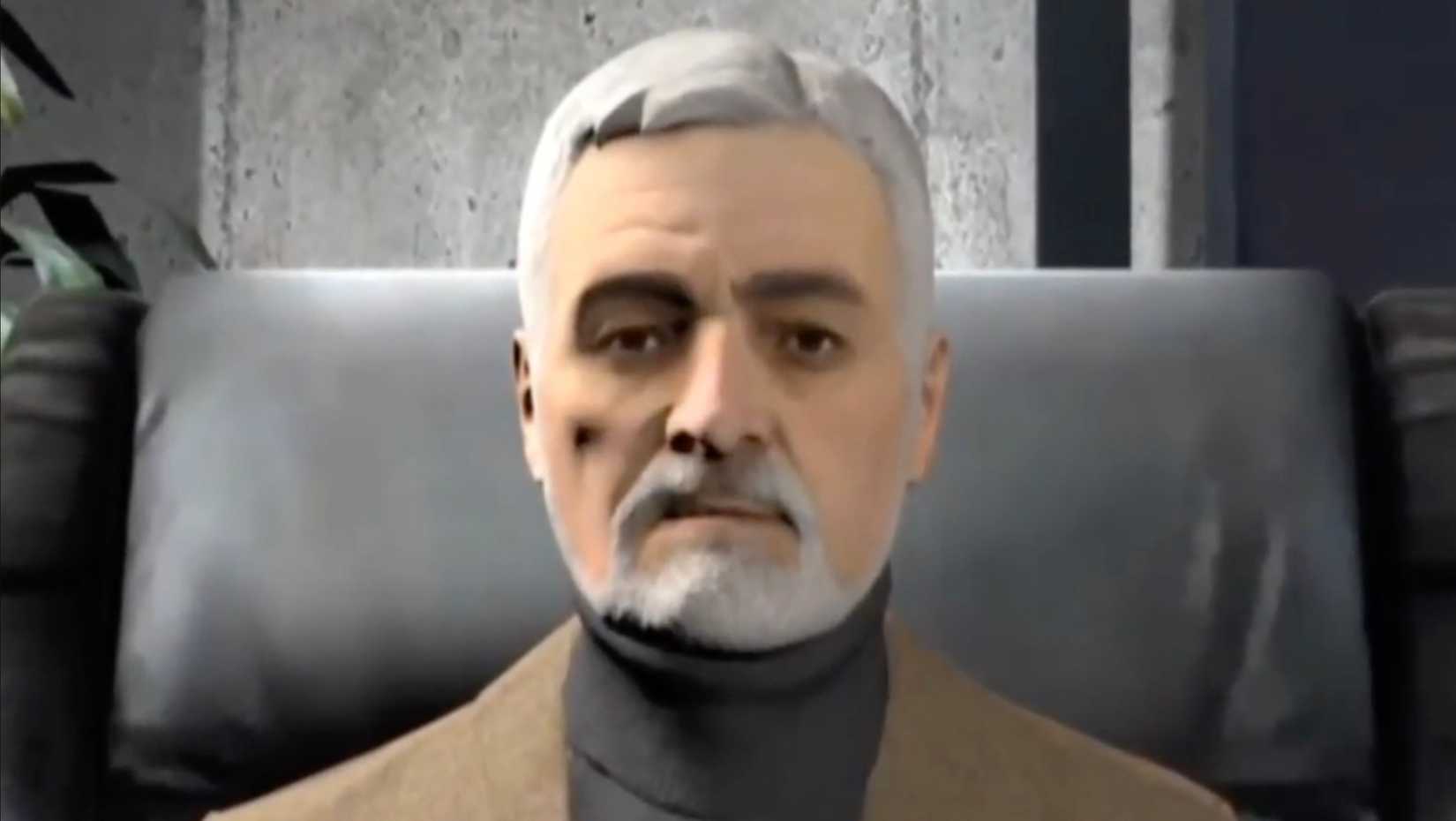
3. Wallace Breen (Half-Life 2, 2004)
Half-Life 2 begins seven years after Earth lost a swift war against the Combine, an interstellar empire that conquered the planet in mere hours. Wallace Breen, a former scientist, has spent those years ruling as humanity’s chosen administrator under the watchful eye of the alien occupation, presiding over a society where human reproduction is suppressed and dissenters vanish without a trace.
Breen’s defense of this arrangement relies on the argument that a society under occupation is simply "refusing to grow" rather than facing total annihilation. In one of his infamous broadcast speeches, he compares humanity’s surrender to the Combine to a lungfish crawling onto dry land rather than perishing in water it already knows. It is a pragmatic defense of collaboration over extinction, albeit delivered by a man who managed to remain secure and well-fed while others bore the brunt of the oppression.
2. Big Boss (Metal Gear Solid 5: The Phantom Pain, 2015)
Born Naked Snake, Big Boss spent decades serving as an elite soldier fighting on behalf of governments that exploited and ultimately discarded him. Awakening from a nine-year coma after a betrayal cost him an eye, an arm, and a significant portion of his face, his response is not merely to seek revenge against a single government, but to construct a haven that no nation can ever take away from its soldiers.
Outer Heaven, the military-run nation he establishes, serves as his ultimate answer to a lifetime of being treated as disposable cannon fodder. That grand vision, however, is somewhat complicated by his willingness to recruit child soldiers into his ranks without hesitation.
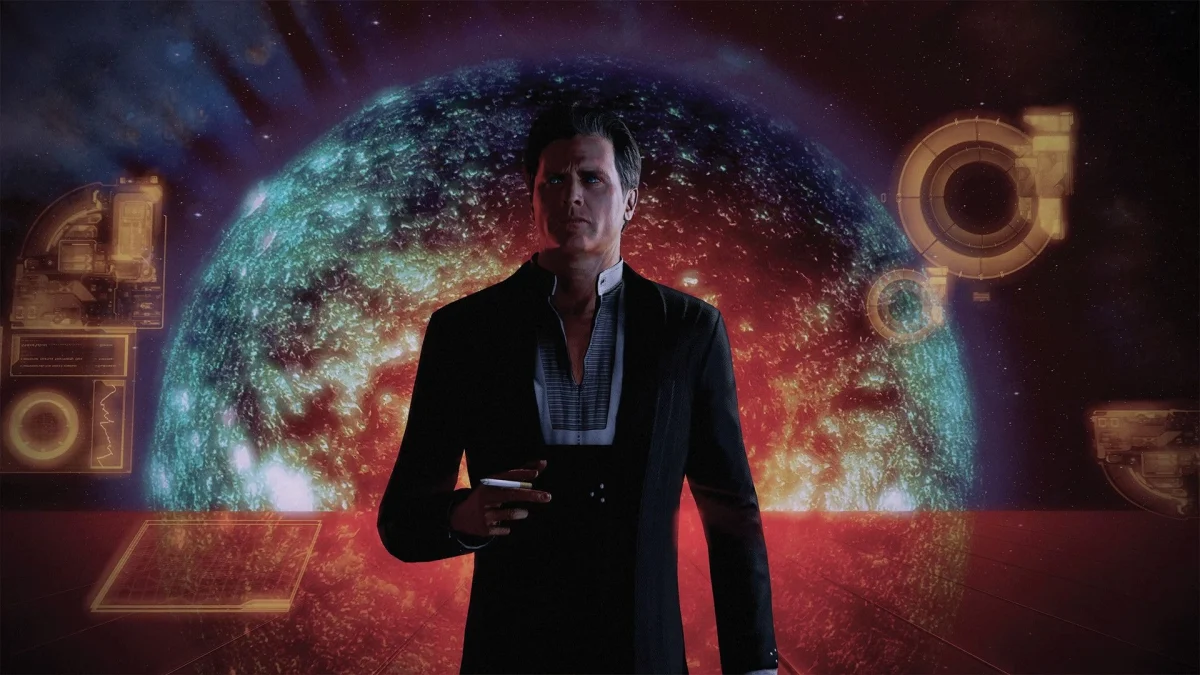
1. The Illusive Man (Mass Effect 2, 2010)
As the leader of Cerberus, a pro-human paramilitary organization widely condemned as a terrorist group by the rest of the galaxy, the Illusive Man operates on a singular conviction: the Reapers—an ancient machine race dedicated to the cyclical extermination of advanced civilizations—are returning, and nobody else is taking the looming threat seriously.

This singular focus drives him to finance Commander Shepard’s resurrection to ensure a capable leader is back on the front lines. Yet, that exact same unyielding logic permits him to ruthlessly sacrifice operatives who placed their complete trust in him, demonstrating how the extreme preparation for a worst-case scenario can ultimately transform a person into the very monster they are trying to fight.


Leave a Reply