As digital privacy concerns continue to grow and streaming restrictions remain a persistent hurdle for internet users, the market for virtual private networks has seen a surge in competitive pricing. Industry experts and testing labs have compiled a curated, up-to-date look at the best VPN deals currently available, highlighting steep discounts from the most reputable and rigorously tested providers on the market. While promotional offers fluctuate frequently in the fast-paced tech sector, the current landscape features substantial markdowns on long-term subscriptions, bundled cybersecurity suites, and extra months of service for new subscribers.
Navigating the crowded marketplace of privacy tools requires careful consideration, as not every bargain is worth the investment. To help consumers separate high-performing services from subpar alternatives, tech analysts focus exclusively on providers that have undergone extensive personal review and verification. These evaluations generally prioritize connection speeds, server network scale, independent privacy audits, and transparent no-logs policies.
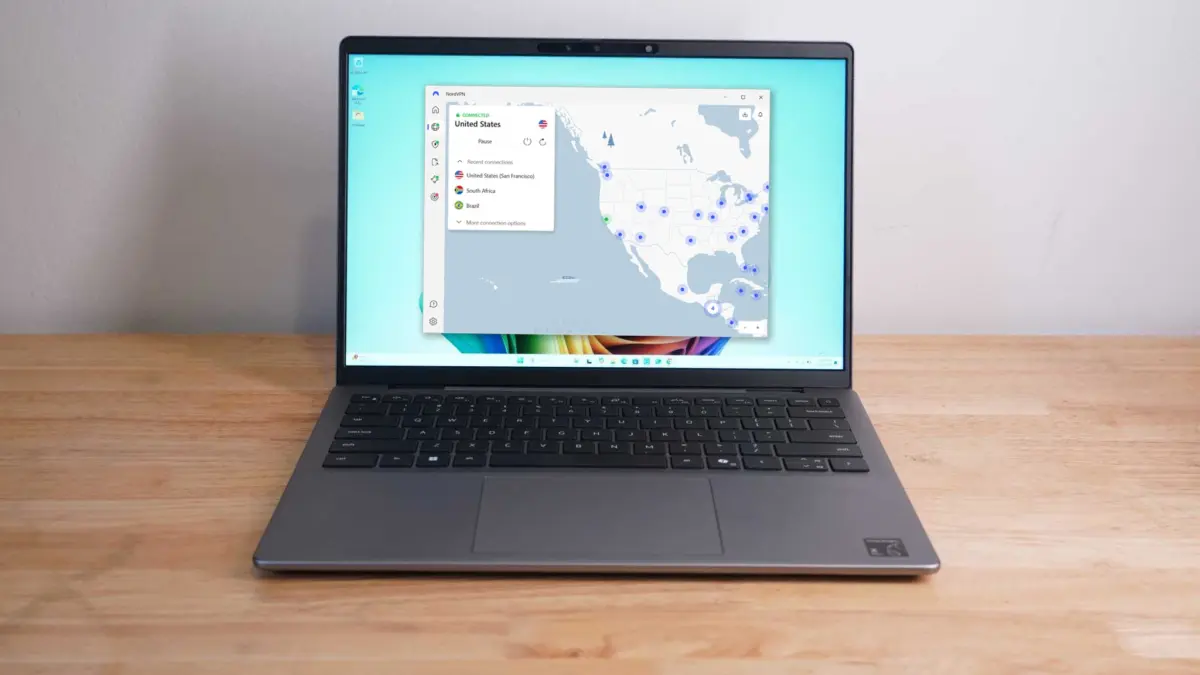
Among the leading promotions currently drawing attention from industry reviewers is the flagship offering from NordVPN, which currently holds the top spot as an Editors’ Choice and overall favorite. The provider is running a substantial promotion on its two-year plan, slashing the monthly cost to $3.49—representing a 69 percent discount—while throwing in three additional months of service for free upon sign-up. Beyond its promotional pricing, the service has consistently ranked as one of the fastest and most feature-rich options evaluated by testing labs.
For users seeking a more comprehensive digital security package, upgrading to the provider’s Complete tier for $4.49 per month introduces a wide array of auxiliary tools designed to protect against modern online threats. This expanded tier bundles anti-malware protections, dedicated ad and tracker-blocking capabilities, scam protection features, identity fraud monitoring, a built-in password manager, and a substantial one terabyte of secure cloud storage.
Competitor ExpressVPN is also discounting its entire lineup of subscription plans, offering tiered options tailored to varying user needs and budgets. While the basic tier starts at $2.99 per month and grants access to the core network infrastructure, privacy advocates and analysts often point to the Advanced plan as the superior value. Priced at just $1.50 more per month for a total of $4.49, the mid-tier plan expands protection significantly by integrating ad and tracker-blocking software, a secure password manager, identity defense monitoring systems, and allowances for additional simultaneous device connections.
For budget-conscious consumers who still require robust encryption and dependable performance, Surfshark VPN remains a primary recommendation. Capitalizing on early holiday promotional windows, the service has dropped the price of its comprehensive Surfshark One plan to one of its lowest rates ever at $2.49 per month, complete with three bonus months of service for new users. This bundle goes beyond standard virtual private network features by incorporating alternative identification tools, real-time scam prevention, integrated antivirus software, and instant personal identity leak alerts.

Timing a purchase remains a critical factor for consumers looking to maximize their savings on privacy software. Historical pricing trends indicate that the most aggressive discounts typically align with major retail shopping events, most notably the late November window surrounding Black Friday and Cyber Monday. During these periods, providers frequently drop their long-term subscription rates to historic lows. In recent years, many major providers have begun extending these promotional periods well past Cyber Monday, keeping discounted rates active through the end of the calendar year to capture late-season shoppers.
Choosing the right subscription requires balancing several key variables, beginning with personal budget constraints and the intended duration of use. While short-term travelers may only require a month-to-month arrangement, the most significant financial savings are almost exclusively reserved for multi-year commitments, typically spanning twenty-four to thirty-six months. Upfront payment models for these extended plans drastically reduce the effective monthly cost, though they require a larger initial financial outlay.
Beyond cost, prospective buyers must evaluate the underlying infrastructure of each service. A robust server network is essential for maintaining reliable speeds and bypassing regional content blocks. Industry standards suggest looking for providers that maintain at least one thousand servers spread across thirty or more distinct countries. Network congestion and distance from the physical server heavily influence performance, making real-world speed evaluations a vital metric. Because direct speed tests can vary wildly based on a user’s native internet connection, relative averages published by testing organizations provide a more dependable benchmark than raw megabits-per-second comparisons.
Security architecture and jurisdiction represent the final pillars of a reliable service. A strict, independently audited no-logs policy is non-negotiable for users prioritizing true anonymity. Furthermore, the physical and legal jurisdiction where the VPN company is incorporated dictates how local laws can compel the handover of user data, making transparency in corporate structure a key consideration for privacy-focused buyers.
For those new to the technology, a virtual private network operates by establishing an encrypted tunnel between a user’s computing device and the wider internet. By routing web traffic through an intermediary server located in a domestic or foreign region—such as Japan, France, or the United States—the user’s actual internet protocol address is masked. This process makes the traffic appear as though it originates from the server’s geographic location rather than the user’s physical point of access.
This technical framework serves multiple practical functions. By encrypting data in transit, the technology prevents internet service providers, local network administrators, and malicious actors from intercepting or monitoring browsing habits. This added layer of security is particularly valuable when utilizing unsecured public Wi-Fi networks in coffee shops, airports, and hotels. Alongside enhanced digital privacy and anonymity, the ability to spoof geographic locations has made these services an indispensable tool for accessing location-restricted media and streaming libraries around the globe.