
Not all gaming laptops are created equal, a crucial reality to understand when navigating today’s competitive hardware market. While some portable rigs are meticulously engineered to deliver the absolute highest frame rates and raw processing power possible, others prioritize color-accurate displays, sleek chassis designs, or featherlight portability. Ultimately, the true test of any gaming laptop is how it holds up during actual, demanding gameplay.
PCWorld’s testing team has evaluated every major machine on the market through hands-on benchmarking. Rather than relying solely on specification sheets, reviewers examine everything from keyboard feedback and port placement to long-term performance consistency and display quality. With a legacy of covering personal computing since 1983 and reviewing more than 70 laptops every year, the publication applies rigorous usability standards alongside traditional performance metrics to help consumers navigate options across every price point.

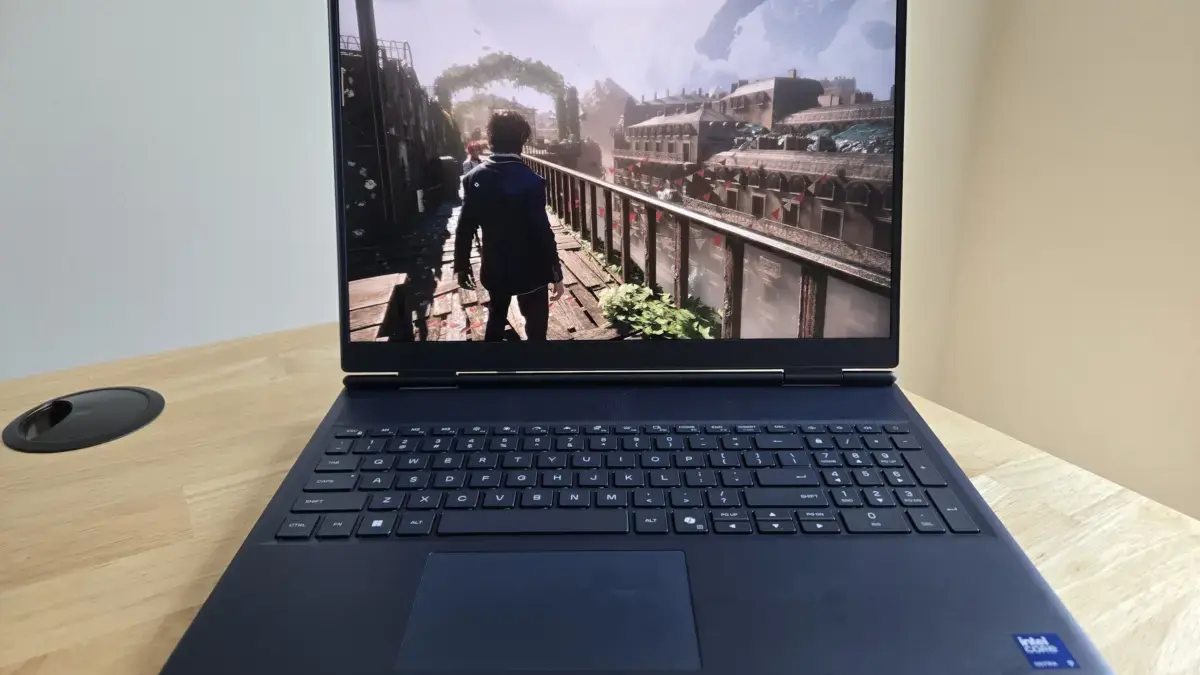
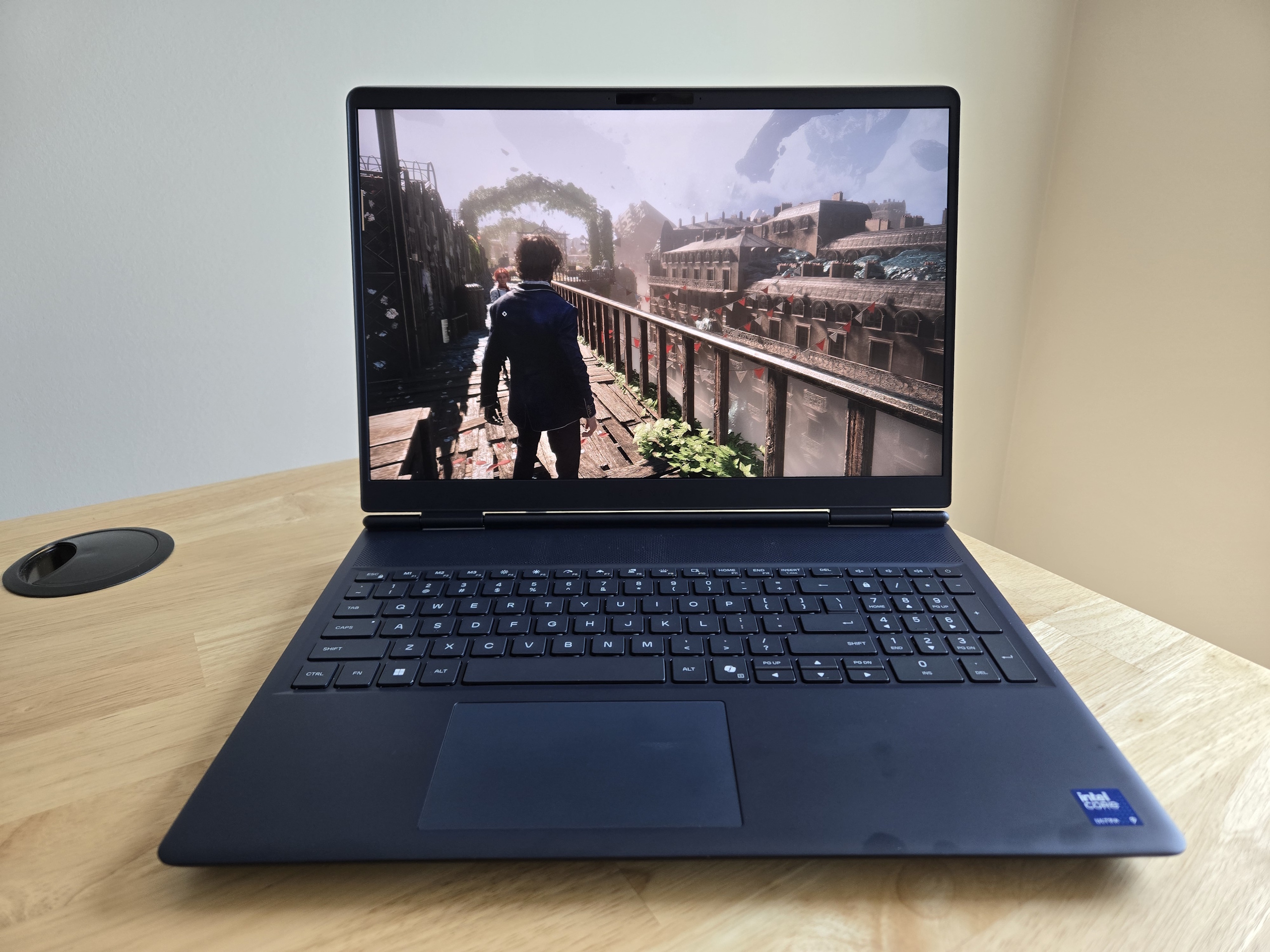
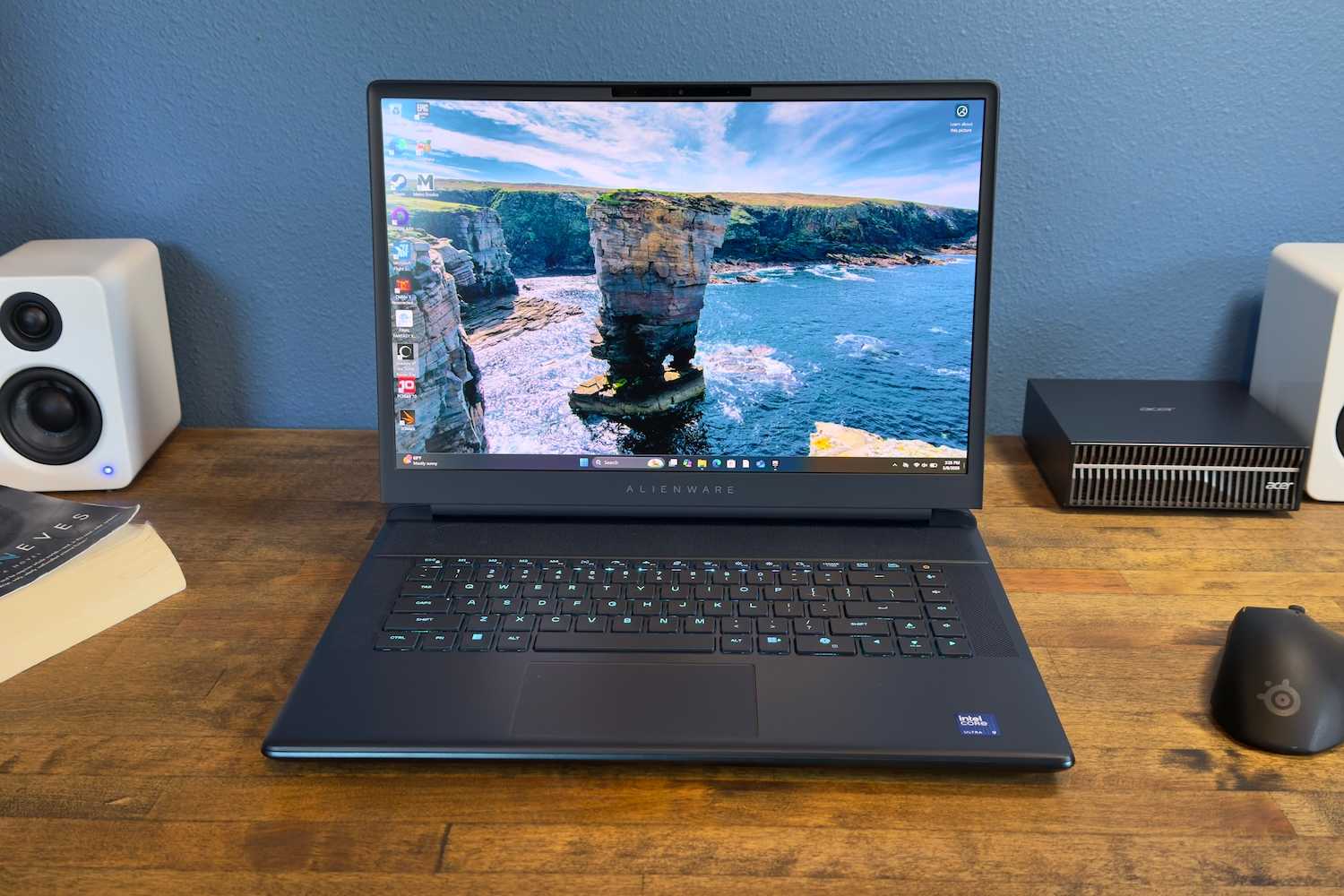
Leading the charge as the best overall gaming laptop for 2026 is the Alienware 16X Aurora. Priced at around €2,499, this machine punches well above its price point by combining rapid performance with an exceptional value proposition. Under the hood, the Intel Core Ultra 9 275HX CPU serves as a formidable engine for both high-end gaming and heavy productivity tasks. Paired with Nvidia’s RTX 5070 graphics, it effortlessly tackles modern AAA titles at high graphical settings, even at elevated resolutions. Whether jumping straight into intense action sequences or streaming live gameplay, the system maintains steady composure.
The 16-inch IPS display operates at a crisp 2560-by-1600 resolution and boasts a buttery-smooth 240Hz refresh rate, making it an ideal companion for fast-paced competitive shooters. Users also benefit from a full-sized keyboard, a responsive trackpad, and a sharp 1080p webcam equipped with Windows Hello facial recognition. While its aluminum and plastic chassis feels solid and professional without leaning excessively into flashy gamer aesthetics, it does carry some weight at nearly six pounds and tends to attract fingerprints. Battery life hovers around an average of seven hours on a single charge, though owners will naturally want to stay plugged in during heavy gaming sessions.
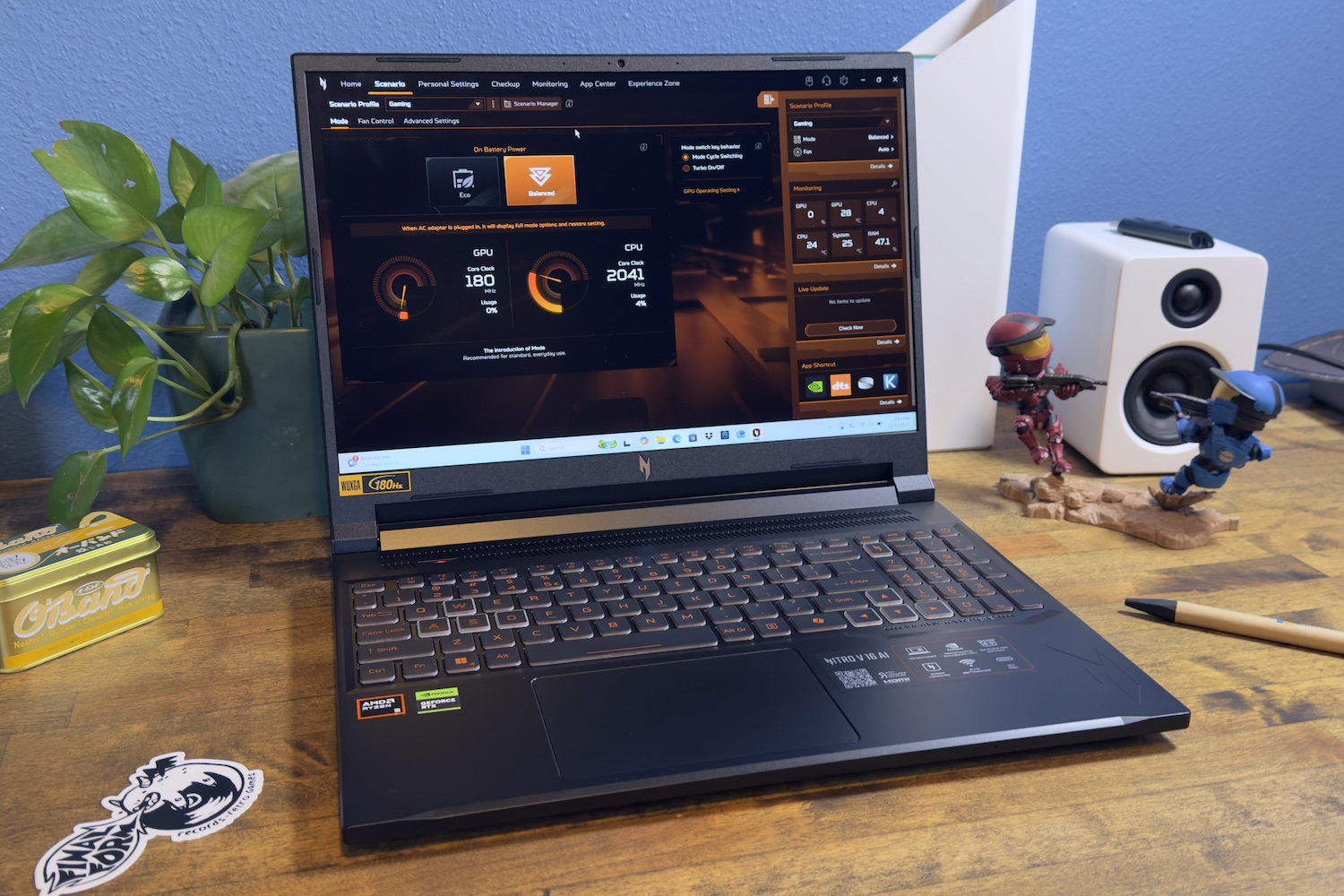
For buyers operating on a tighter budget, the Acer Nitro V 16 emerges as the premier choice under the $1,000 threshold. Retailing at approximately €1,199, it brings modern RTX 50-series performance to a more accessible tier. Driven by an RTX 5050 GPU, it handles 1080p gaming smoothly, pushing high frame rates in titles like Rise of the Tomb Raider while managing more demanding games like Cyberpunk 2077 at playable settings. Remarkably, it also delivers standout battery life for a gaming laptop, stretching between eight and 12 hours depending on the workload. The 16-inch 1200p display features an impressive 180Hz refresh rate, offering a noticeable visual upgrade over standard 15.6-inch budget panels, though compromises are evident in its entry-level Ryzen processor, 512GB of storage, and basic peripheral features.
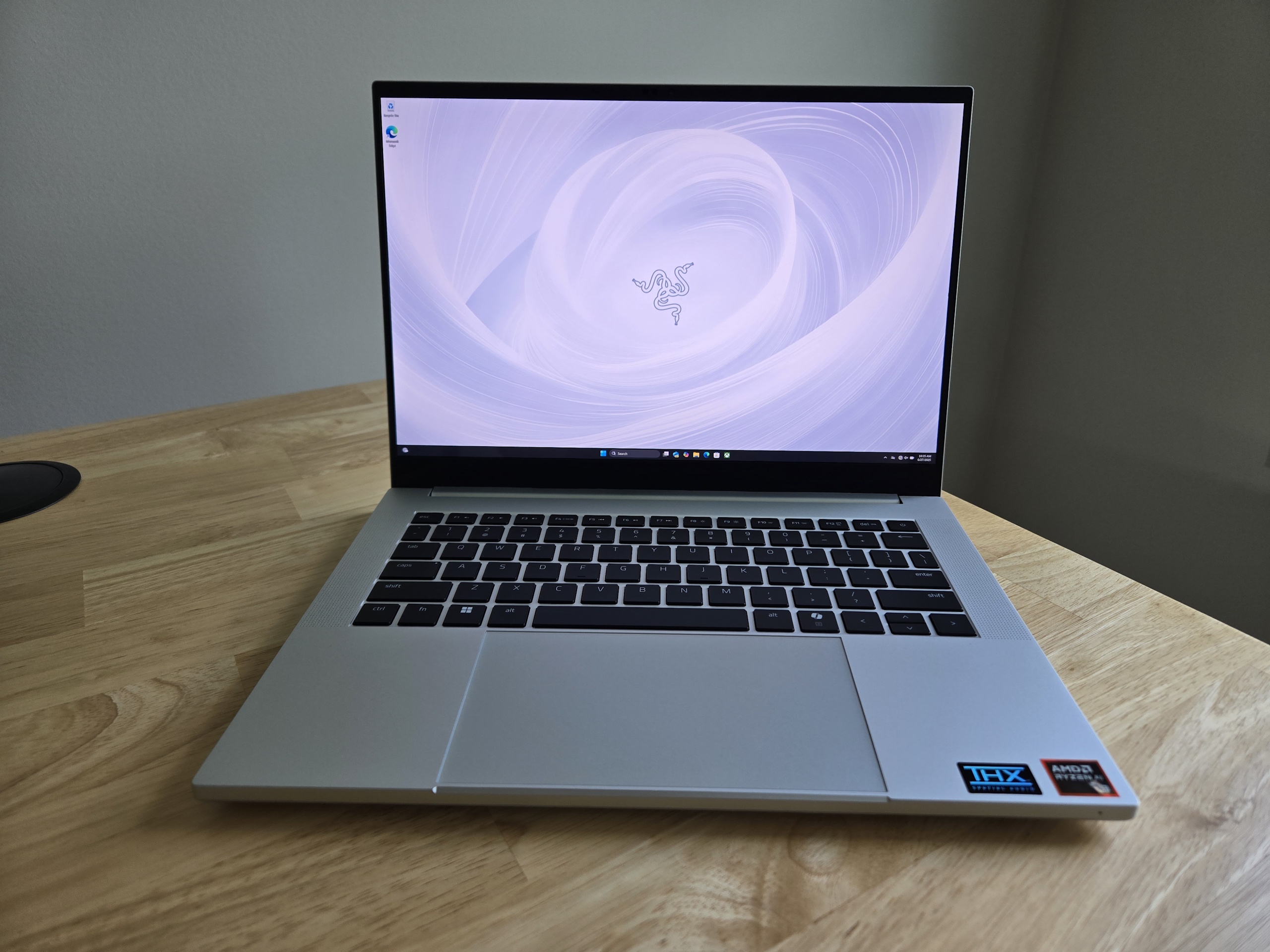
Gamers prioritizing mobility over desktop-replacement scale will find a strong contender in the Razer Blade 14 (2025). Weighing a mere 3.59 pounds, this ultra-portable rig packs an AMD Ryzen AI 9 365 CPU and an RTX 5070 GPU into a slim frame, allowing users to run modern games on High or Ultra settings while on the move. Its 14-inch 2880-by-1800 OLED screen runs at 120Hz, providing vibrant visuals while the cooling system keeps noise and temperatures remarkably low under pressure. Despite lasting over 11 hours on everyday battery tasks, its premium price tag of €2,699 reflects its specialized design focus.
At the absolute pinnacle of performance sits the Alienware Area-51, designated as the best high-end gaming laptop for enthusiasts who demand desktop-class power without being tethered to a fixed station. Powered by an Intel Core Ultra 9 290HX processor and an RTX 5080 GPU, it handles the most aggressive graphical demands with ease. Its 16-inch OLED display delivers deep blacks, vivid colors, a 240Hz refresh rate, and G-Sync support for tear-free action. However, true enthusiasts must contend with the realities of this hardware class: it weighs well over seven pounds and commands a heavy investment.
Other notable machines evaluated during testing include the Maingear Super 16, a robust system featuring an Intel Core Ultra 9 275HX, an RTX 5070 Ti, 32GB of RAM, a 2TB SSD, and a high-refresh display, though its price clears the $2,000 mark. Meanwhile, the Acer Predator Helios Neo 14 AI offers a compact alternative with an Intel Core Ultra 9 285H, an RTX 5070, and a 14.5-inch OLED screen. For those seeking unusual form factors, the Asus ROG Zephyrus Duo pushes boundaries with its dual 16-inch OLED displays that can be positioned horizontally or vertically.
Choosing the right gaming laptop requires careful evaluation of core hardware components. Screen technology remains paramount, with buyers weighing the color accuracy and viewing angles of IPS panels against the deep contrast and rapid response times of OLED displays. Resolution choices must balance visual sharpness against graphical overhead, as running native 4K demands immense GPU horsepower, making 1080p and 1440p resolutions more practical for high-refresh-rate gaming on mobile hardware. Variable refresh rate technologies like Nvidia G-Sync further enhance visual fluidity by synchronizing the display with the graphics card, though they often introduce a trade-off in battery efficiency due to direct hardware routing.
Under the hood, memory and processing configurations dictate longevity. While 16GB of RAM remains the sweet spot for modern gaming, opting for 32GB ensures future-proofing against increasingly demanding titles. Dual-channel memory configurations are strongly recommended to maximize bandwidth and prevent CPU bottlenecks. Similarly, multi-core processors—ranging from efficient six-core options to high-end eight-core configurations—provide necessary headroom for multitasking, streaming, and content creation.
Ultimately, prospective buyers must manage expectations regarding battery life. Running a dedicated mobile GPU under full load will inevitably drain a battery within an hour or two, cementing the reality that high-performance gaming laptops are designed primarily for tethered desk use, with battery efficiency serving as a secondary benefit strictly reserved for lighter, everyday productivity tasks away from the outlet.
Leave a Reply