
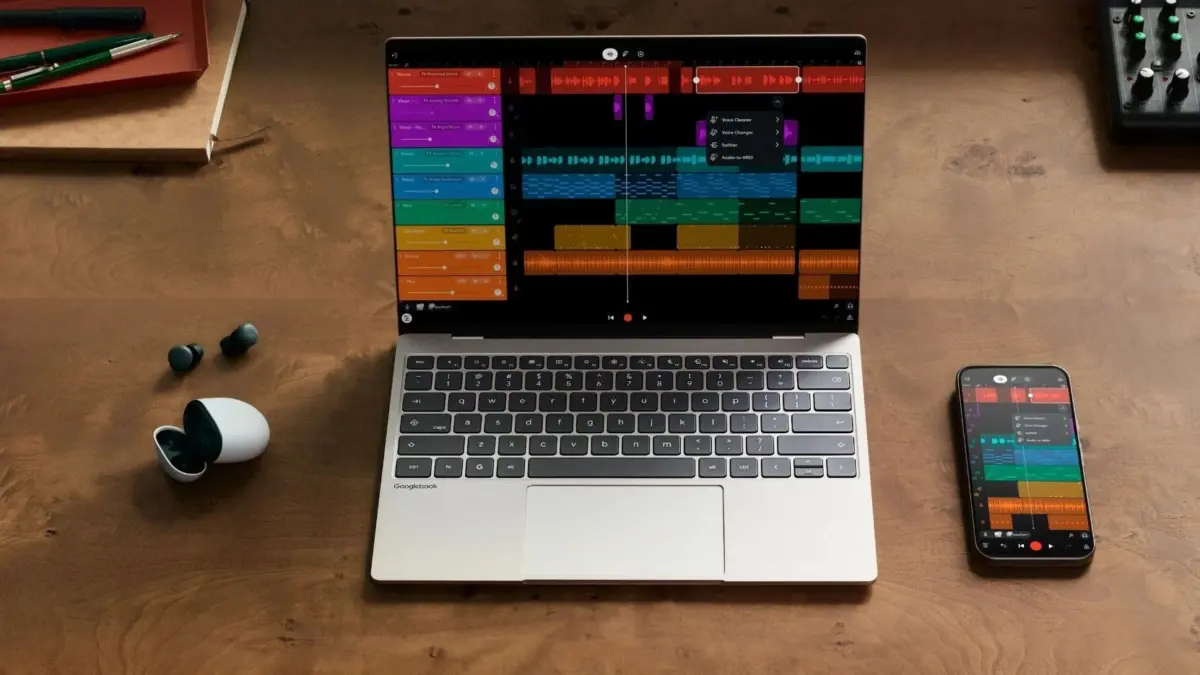
Google has officially pulled back the curtain on its highly anticipated new lineup of laptops, marking a major strategic evolution in the company’s hardware ecosystem. Pre-orders for the inaugural wave of Googlebooks officially opened today, September 21, following a comprehensive hardware announcement detailing specs, pricing, and manufacturing partnerships.
Starting at $899, the first generation of Googlebooks is being built in collaboration with several major hardware manufacturers, including Acer, ASUS, Dell, HP, and Lenovo. According to Google’s official announcement, each participating brand brings distinct craftsmanship and design philosophies to the table, offering everything from customized keyboards to cinematic audio experiences. The initial devices are constructed using premium materials such as aluminum, magnesium alloy, and carbon fiber, engineered to deliver an exceptionally light, sleek, and durable form factor.
What You Need to Know About the Hardware
Beneath the sleek exteriors, the new Googlebooks pack high-end hardware designed to compete directly in the premium laptop market. The devices feature stunning touchscreens with up to 2.8K OLED displays, providing vibrant colors and deep contrast. For user input, the laptops are equipped with responsive haptic glass trackpads and comfortable backlit keyboards.
Performance-wise, the first Googlebooks are powered by either Qualcomm or Intel processors, depending on the specific manufacturer and model. Notably, the vanguard of the lineup is propelled by Qualcomm’s Snapdragon X Elite chip, featuring a robust 12-core Oryon CPU setup capable of clocking speeds up to 4GHz. This hardware foundation enables up to 14 hours of battery life on a single charge, ensuring all-day productivity for mobile professionals and students alike.
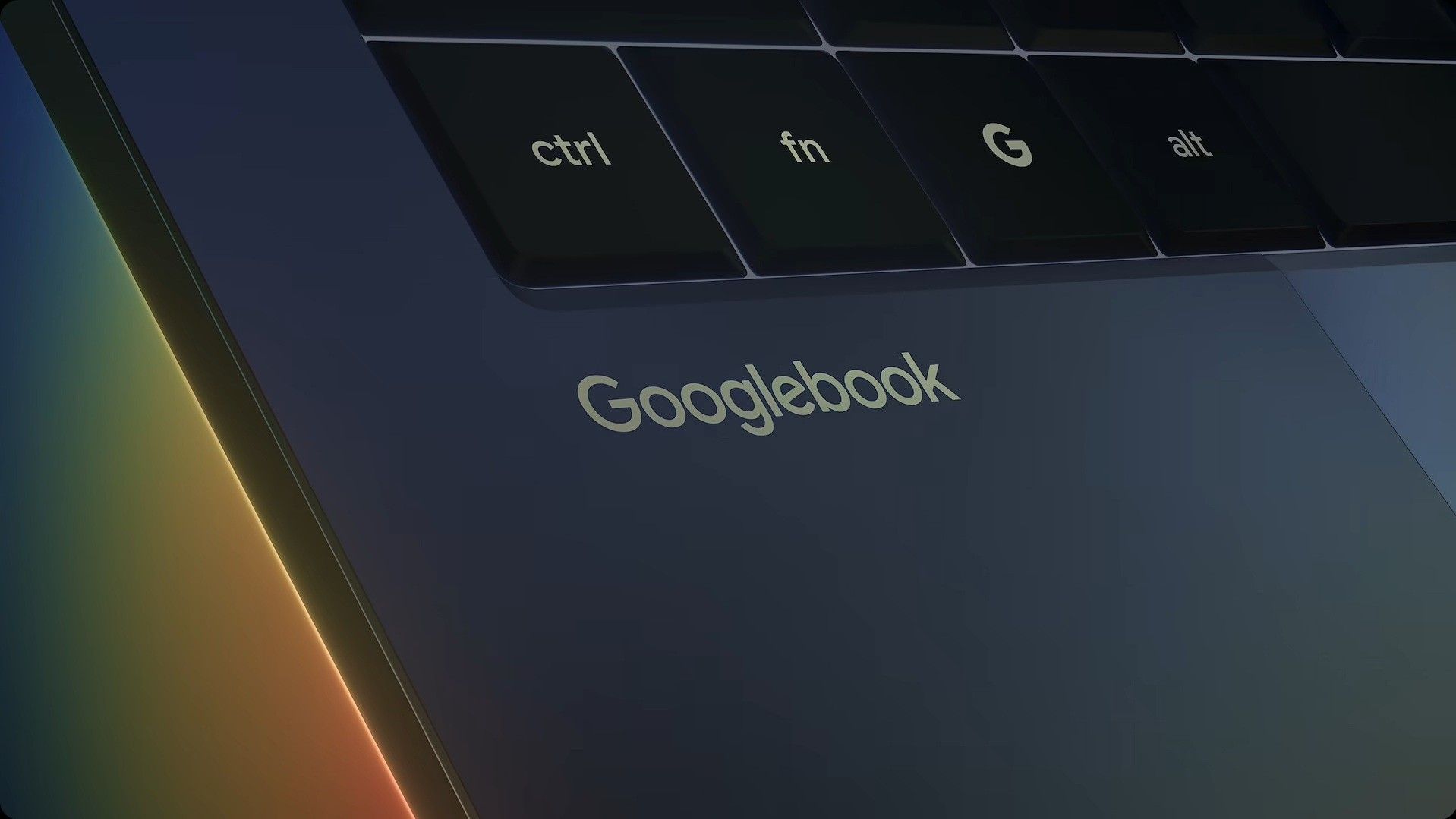
Longtime tech enthusiasts will also notice the return of a familiar aesthetic and functional touch: the Glowbar. Originally seen in earlier Google hardware concepts, the illuminated strip lights up upon startup to provide quick visual information regarding battery percentage. It also displays dynamic animations when users interact with Google’s Gemini assistant.
Deep Android Integration and Ecosystem Synergy
Google is positioning the software experience as one of the primary selling points for the Googlebook, aiming to bridge the gap between mobile devices and personal computers more seamlessly than ever before. The company emphasizes that these laptops bring the best of the web and the Google Play Store directly to consumers, ensuring that applications and workflows enjoyed on Android smartphones feel right at home on a larger screen.
When users sign into their new Googlebook, their digital footprint moves with them. Google has designed the setup process to sync an Android phone’s settings, saved passwords, Wi-Fi networks, and messages automatically. This ecosystem cohesion allows users to seamlessly pick up where they left off on ongoing projects or travel itineraries.
Furthermore, the integration extends into file management and app continuity. App casting allows users to continue what they are doing on their phone directly on the laptop screen. A dedicated Files app on the Googlebook also enables users to view, search, and open files and photos stored locally on their connected Android phone without needing to manually transfer or back up data.
The software ecosystem goes beyond basic mirroring. Major professional productivity applications, such as Adobe Photoshop and Lightroom, are fully optimized for the platform. Meanwhile, the inclusion of the Google Play Store opens the door to a vast library of streaming services, mobile games, and productivity tools. To bolster the gaming credentials of the new platform, Google is bundling a complimentary one-year subscription to GeForce NOW with every purchase, enabling users to stream demanding AAA titles from major gaming studios directly to their laptops.
Advanced AI Integration with Gemini and Magic Pointer
Artificial intelligence sits firmly at the center of the Googlebook experience, driven heavily by Google’s Gemini ecosystem. Expanding on capabilities first previewed at Google I/O, the laptops introduce features like "Magic Pointer." By simply wiggling the on-screen cursor, users can summon Gemini directly over whatever content is currently displayed on their screen, allowing them to instantly request context-aware assistance, summarize documents, or execute tasks.
The AI suite also incorporates advanced text-processing tools reminiscent of recent Pixel smartphone updates. A dictation and text-refinement tool helps clean up drafted messages and documents by automatically removing conversational filler words. Additionally, a "Create My Widget" feature allows users to deploy custom AI-generated widgets tailored to display specific information based on their daily habits and preferences.
Meet the Googlebook Lineup and Availability
Pre-orders are officially live today, September 21, through the Google Store, Best Buy, and other major participating retailers. Following the initial pre-order window, the Googlebook will officially land on store shelves in the United States on October 4.
International availability will follow closely behind, with devices arriving in Canada, the United Kingdom, Ireland, France, Germany, and Australia on October 5. Early buyers will also receive promotional perks, including introductory subscriptions for Google AI Pro and YouTube Premium.

Leave a Reply