
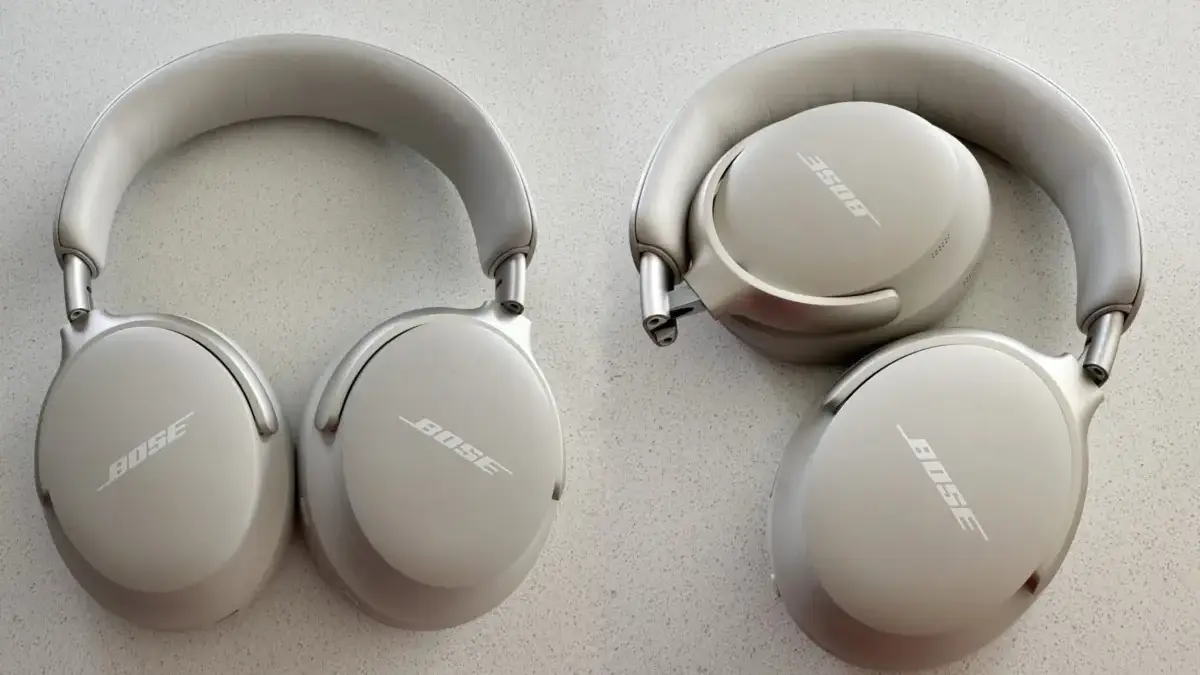
The quiet deployment of firmware update version 10.12.12 over the past few weeks represents a significant step forward for the broader adoption of Auracast. While the technology was officially announced back in 2022 by the Bluetooth Special Interest Group, the industry-wide transition has been notably gradual. Major manufacturers have approached the rollout cautiously, with only a select few including Auracast capabilities in their newest headphones or earbuds. Among the early industry adopters are Sony, JBL, and Sennheiser—the latter of which even released a dedicated Auracast transmitter this year—alongside tech giants like Samsung with its Galaxy Buds series. Smaller audio brands, including EarFun, have also begun experimenting with the standard. However, because Bose remains one of the most recognizable and trusted household names in the personal audio market, its official entry into the space signals a turning point that could push Auracast from a niche enthusiast feature into the mainstream consumer consciousness.
For those unfamiliar with the underlying standard, Auracast is designed to fundamentally change how people consume and share audio in public and private spaces. Unlike traditional Bluetooth connections, which typically pair a single audio source to a single pair of headphones or speakers, Auracast allows a single broadcasting device to transmit high-quality Bluetooth audio simultaneously to an unlimited number of compatible headphones, earbuds, or speakers. The potential use cases span a wide variety of public and domestic environments. In public transit hubs, such as airports or train stations, travelers could tune directly into gate announcements or travel updates without straining to hear muffled public address systems. Similarly, visitors at museums, local performance venues, or crowded university lecture halls could stream venue audio directly to their personal listening devices for enhanced clarity.

At home, the technology offers practical daily conveniences, such as allowing multiple family members to listen to a television broadcast at different volume levels or letting one person watch TV late at night without disturbing others who are sleeping. It also holds immense potential for accessibility, serving as an advanced assistive listening tool for individuals with hearing impairments. Several modern smart TV manufacturers, including Samsung and LG, have already begun embedding Auracast functionality quietly within their software menus, though consumer awareness has remained relatively low due to a lack of widely available compatible listening hardware.
Beyond the headline-grabbing introduction of Bluetooth LE Audio and Auracast beta support, the 10.12.12 firmware update delivers several functional improvements designed to enhance the day-to-day usability of the Bose QuietComfort Ultra Headphones Gen 2. The update refines audio performance over wired USB connections, introducing dedicated balance controls specifically tailored for gaming audio and voice chat. Furthermore, it improves overall software compatibility for popular web conferencing and remote communication applications, making the high-end headphones more versatile for professional and productivity-focused users who juggle conference calls alongside music playback.
The rollout of these advanced features is expected to extend beyond the flagship model in the near future. Bose spokesperson Tim Williams indicated in an email that the recently reviewed Bose QuietComfort Headphones (Gen 2) are slated to receive the same beta firmware update next, continuing the company’s phased integration of Bluetooth LE Audio and Auracast across its current product lineup. As major audio brands continue to test and refine these capabilities, the ongoing expansion by market leaders like Bose suggests that seamless public audio sharing and advanced wireless connectivity are finally moving closer to everyday reality for consumers.


Leave a Reply