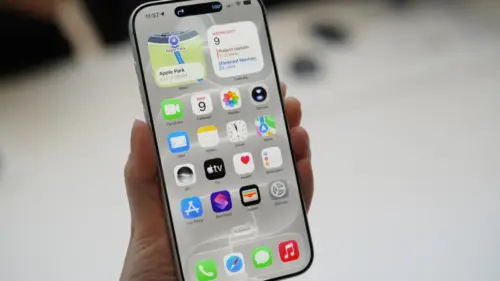
For millions of smartphone users around the world, taking a screenshot has become the default way to save everything from a dinner reservation to a physical address sent hastily by a friend in a text message. In the modern era of mobile computing, this habit has expanded beyond human-to-human sharing. Today’s advanced artificial intelligence assistants—such as Meta’s Muse and Apple’s Siri AI—are deeply integrated into mobile operating systems, capable of using what is actively displayed on a screen to answer contextual questions, organize schedules, and autonomously perform tasks like adding upcoming events directly to a calendar.
However, not every platform or software developer is willing to embrace this omnipresent screen-scraping capability.
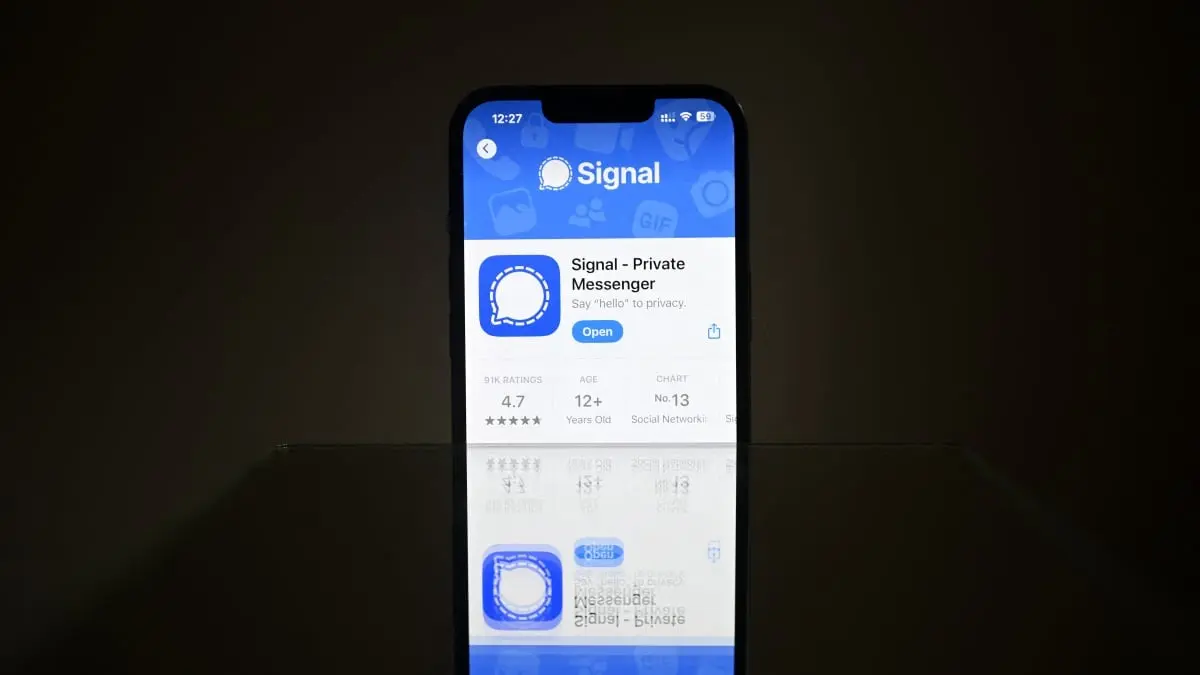
Signal, the prominent nonprofit messaging application renowned for its end-to-end encryption that keeps user texts, voice calls, and media entirely private, is drawing a definitive line in the sand. The organization is actively putting strict limits on what these artificial intelligence assistants can see and process. On Friday, November 20, the app announced a major security update designed to block screenshots on iPhones running iOS 27 and restrict AI screen capture features on compatible Android devices.
Under the new security measures, Signal’s "Block Siri AI" setting is enabled by default on iPhones operating on iOS 27. Meanwhile, on supported Android devices, the application automatically triggers its robust "Screen security" protocol the moment it detects a background assistant attempting to read the contents of the display. While these protective defaults are enabled automatically to preserve maximum confidentiality, users retain the flexibility to manually turn either protection off within Signal’s application settings. Nevertheless, the company explicitly warns that disabling these features could grant an AI assistant with screen-reading access a clear window into both sides of a private conversation.
"Privacy is our mission; it’s why we exist, and we do everything we can to protect it," wrote Signal President Meredith Whittaker in an official blog post detailing the update.
How can an AI assistant read an encrypted chat?

The fundamental promise of end-to-end encryption is that it keeps a message completely private on its journey from the sender to the recipient. However, once that encrypted message successfully arrives on a device, the recipient’s phone must decrypt the data and turn it back into legible words that a human user can actually read. Those decrypted words inevitably show up either directly within the active chat interface or as a preview inside a phone’s notification banner.
An artificial intelligence assistant with access to either of those locations can easily read those messages as well. Once the assistant has successfully captured the text, Signal maintains zero control over whether the assistant processes that sensitive data locally on the device or quietly transmits it to a remote server, according to the company’s published explanations.
This vulnerability can manifest in surprisingly ordinary and unsettling ways. Earlier in the week, a detailed investigative report by Reuters revealed that a Meta employee received an unexpected reminder from the company’s Muse AI agent, prompting her to reply to a message sent by her sister. The catch was that the original conversation had taken place securely inside Signal. "This seems like an extreme privacy violation. I definitely did not grant it access to other apps, or recall being asked about this," the employee wrote in an internal post expressing her alarm.
Reuters collaborated extensively with security experts at Signal and the AI Now Institute to investigate how such a cross-app leak could physically occur using an Android smartphone and a Mac computer. Their technical testing revealed that on the mobile device, the Muse assistant managed to extract the message text straight from incoming system notifications. On the desktop setup, it utilized accessibility tools and direct screenshots to read through ongoing chat threads. In both experimental tests, the AI relied entirely on broad permissions that had been granted during initial device setup. When questioned about the findings, Meta stated that Muse is strictly programmed to access other applications solely through permissions that users explicitly grant.
Addressing the root of the problem, Whittaker pointed directly to accessibility tools, which are fundamentally designed to assist individuals with disabilities in navigating and interacting with their digital devices. When these powerful features come packaged with overly broad permissions, she wrote, they can easily function as "a skeleton key that provides access to AI agents."
In light of these growing architectural risks, Whittaker and the Signal team are publicly calling on major technology giants including Apple, Google, and Microsoft to clearly define and transparently communicate what their proprietary AI assistants are capable of reading, while demanding that they provide software developers with robust technical mechanisms to effectively block that invasive access.