In the latest episode of the PING podcast, APNIC Chief Scientist Geoff Huston joins the host to unpack a critical yet often overlooked foundation of modern civilization: the economics, vulnerabilities, and complex operational landscape of the worldwide undersea fibre-optic network. While internet users routinely consume petabytes of data daily without a second thought to its physical transit, the invisible web of cables resting on the ocean floor represents a staggering engineering achievement, carrying profound geopolitical and financial implications.
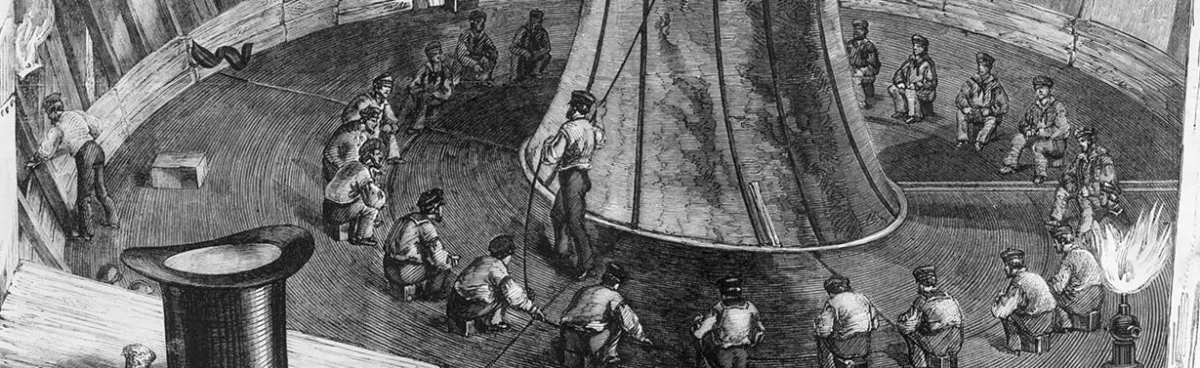
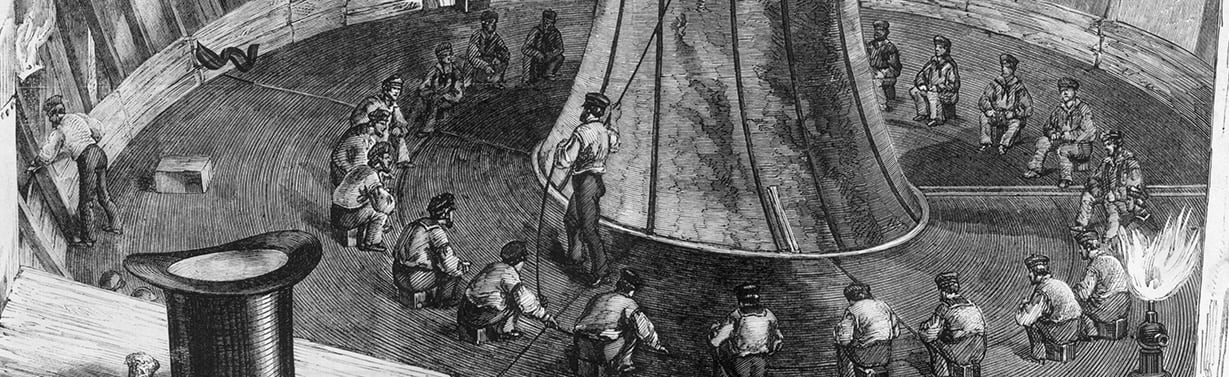
The story of intercontinental connectivity stretches back nearly two centuries, finding its roots in the earliest days of electronic signalling. The foundational era of undersea cables began in the early 1850s with relatively short-distance links laid between Britain and continental Europe, as well as across the Irish Sea. However, the monumental paradigm shift occurred in 1858 with the first attempt to bridge the Atlantic Ocean. That unprecedented engineering feat was made possible by concurrent breakthroughs in industrial steel manufacture, advanced insulation materials, and the advent of large, specialized maritime vessels capable of carrying and systematically deploying thousands of miles of heavy cable.
Those pioneering nineteenth-century systems were remarkably crude by modern standards and notoriously unreliable. Initially, transmitting a message across the sprawling transatlantic link was a painfully slow and agonizing process, frequently requiring hours of patient manipulation to receive a readable signal. Yet, when evaluated against the alternative—waiting weeks for a steamship to cross the ocean—it was nothing short of revolutionary. Messages crossed the sea in minutes rather than months, transforming international commerce, diplomacy, and news reporting, at least during the frequent intervals when the fragile lines remained operational before inevitably breaking.
Rolling forward to the present day, the landscape has transformed beyond recognition. Modern submarine cables are extraordinarily sophisticated yet highly reliable engineering systems. Deep beneath the ocean surface, optical repeaters utilizing erbium-doped fibre amplifiers continuously re-energize and amplify the fading light signals, allowing data to span vast oceanic distances without degrading. Today, a sprawling global mesh comprising more than 600 individual submarine cable systems spans the globe, tying continents together into a unified digital economy.
These deep-sea conduits have become utterly fundamental to how modern society manages the staggering volumes of information flowing between hosts on the Internet. Much of this heavy data traffic is ultimately destined for massive data centres and Content Distribution Network caches located near major population centres. Nonetheless, society’s underlying reliance on continuous connectivity for uncacheable content remains immense. Essential protocols and services, including the Domain Name System, live international communications, and real-time financial transactions between global economies, depend entirely on the uninterrupted performance of these underwater pathways.
Despite their vital importance, the physical security of these networks faces continuous and multifaceted threats. Almost any national economy with a maritime border remains inherently vulnerable to accidental cable cuts caused by heavy commercial vessel anchors or bottom-trawling fishing gear. Beyond accidental disruptions, there is a growing and more insidious risk of intentional, state-sponsored attacks targeting critical international infrastructure. In an era of heightened geopolitical tensions, the physical vulnerability of deep-sea cables has emerged as a major strategic concern for governments worldwide.
Geology presents yet another layer of persistent risk. Because of plate tectonics and continental shelf geography, significant cable crossing points often concentrate in narrow maritime bottlenecks. A prime example is the Luzon Strait, where numerous vital cable systems converge in a relatively small geographic area. This geographic concentration creates a systemic structural weakness, meaning a single geological event, such as a major undersea earthquake or submarine landslide, has the potential to simultaneously disrupt multiple independent cable networks and sever connectivity for entire regions.
Compounding these physical and geographical vulnerabilities are complex economic shifts that define the modern telecommunications landscape. Much of the foundational architecture of the modern global cable network was originally financed under an older, traditional telecommunications model. In that era, national and international telecom carriers invested heavily in international connectivity as an intrinsic part of building out core public telecommunications infrastructure. However, those traditional operators no longer dominate the fibre market. Instead, private-sector technology giants and specialized consortiums now play a far greater role in financing, owning, and controlling these high-capacity systems.
This modern shift toward private-sector dominance raises fundamental long-term questions regarding industry governance and operational motives—specifically, in whose interests this new economic model ultimately operates, and whether it adequately prioritizes systemic resilience over corporate profitability. As reliance on digital infrastructure continues to accelerate, balancing the commercial pressures of private financing with the urgent need for robust, secure, and geographically diverse global connectivity remains one of the defining challenges for the future of the internet.