The global hardware landscape continues to face significant turbulence as ongoing computer component shortages ripple across the video game industry. Over the course of the year, major hardware manufacturers have been forced to adjust their pricing structures to account for constrained supply chains and rising production costs. Giants like Nintendo, PlayStation, and Xbox have all implemented price increases across their respective console lineups, while PC gaming ecosystem leader Valve has also found itself navigating the harsh realities of the current electronics market.
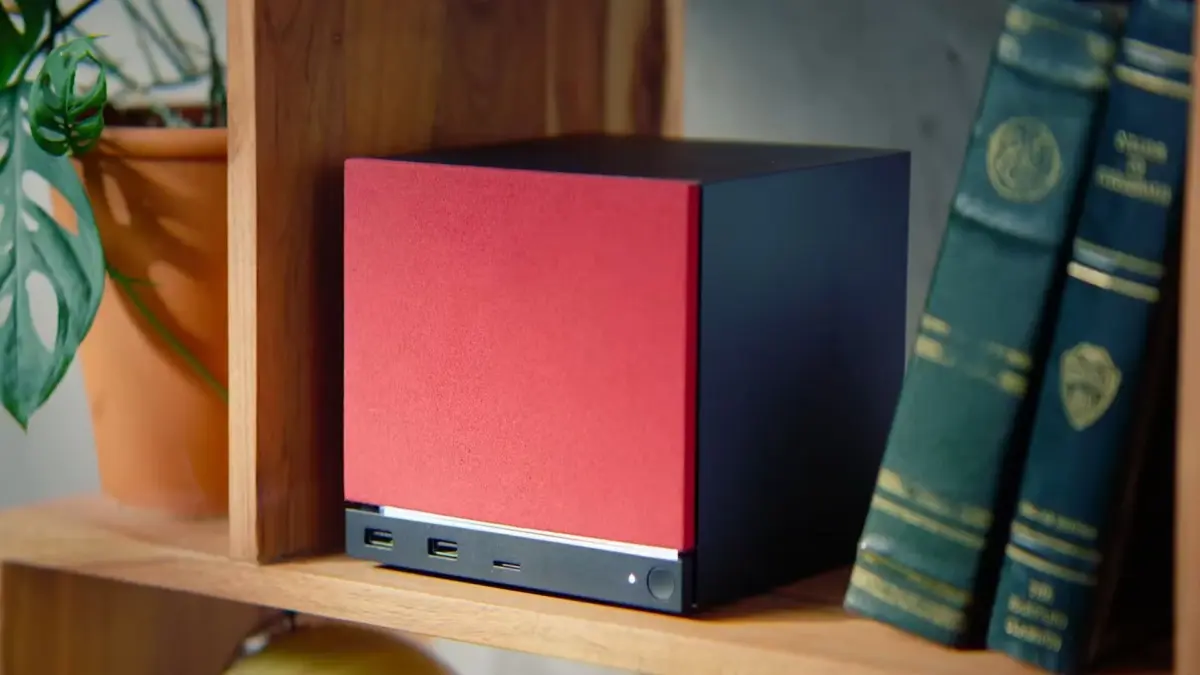
Valve’s hybrid hardware venture, the Steam Machine—a living-room-friendly, cube-shaped console designed to bridge the gap between traditional PC gaming and console convenience—has faced its own set of economic hurdles. Even during its initial rollout, the hardware proved to be more expensive to produce than Valve originally intended, a factor that ultimately shaped its retail positioning. Now, as supply constraints intensify, Valve has issued a stark warning that the Steam Machine could see further price increases, even as the company moves to open up purchases for its most affordable model currently on the market.
PC components are getting more expensive ‘at unprecedented levels’
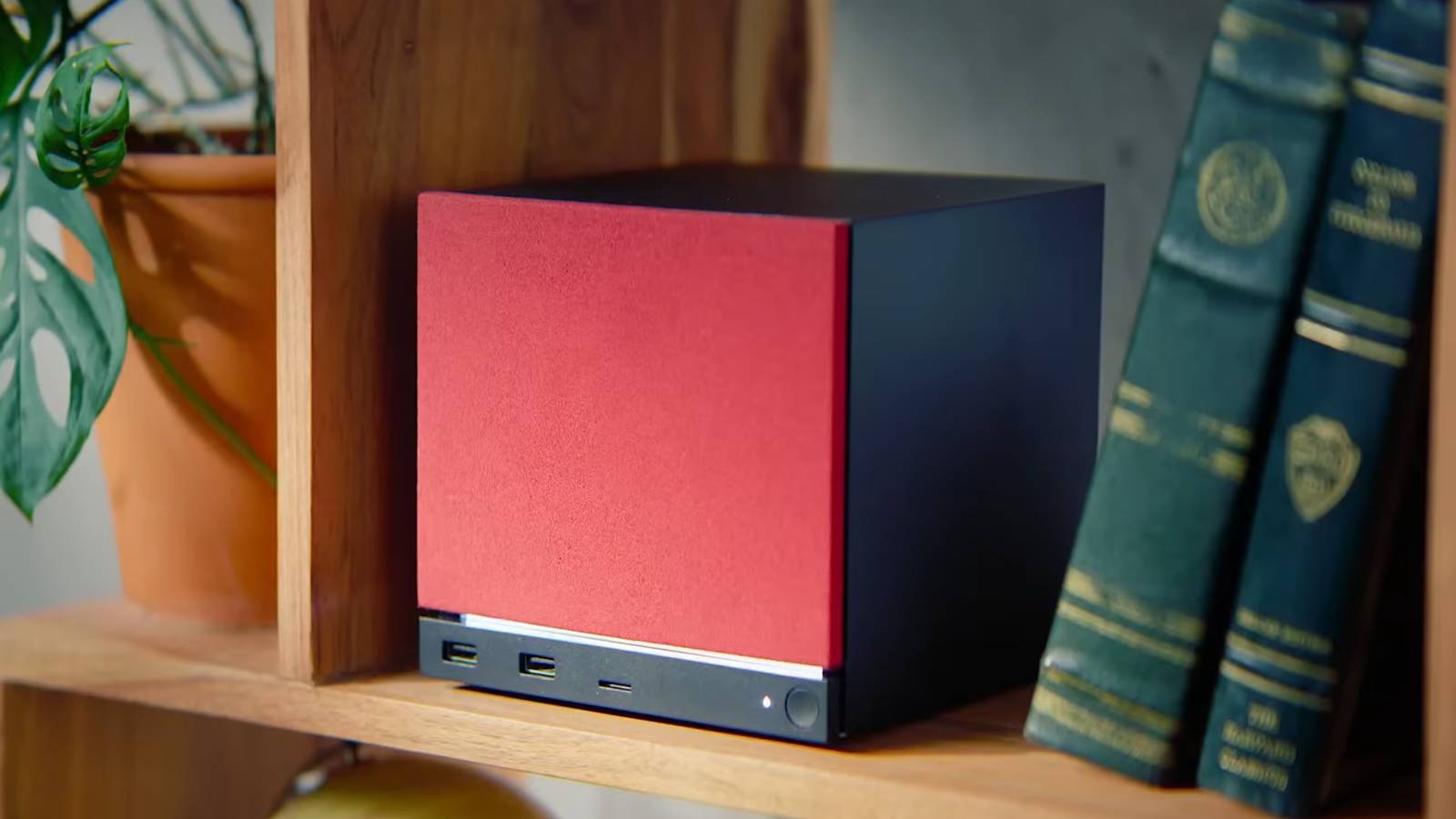
In a formal hardware update published on Thursday, Valve announced that it has successfully fulfilled all existing reservations for the 512GB Steam Machine model, which retails for $1,049. With the backlog cleared, the company has officially opened up direct purchases of the 512GB configuration to the general public on a first-come, first-served basis while current supplies last.
However, this transition comes with a considerable caveat. Valve noted that it continues to encounter severe supply constraints for essential hardware components, severely impacting its ability to source the necessary parts to maintain steady manufacturing output. Once the current inventory of the 512GB model is exhausted, Valve confirmed that it will mark the device as out of stock rather than establishing a new reservation waitlist, signaling uncertainty over when or if a restock will be feasible under current market conditions.
The situation is even more pronounced for the higher-end 2TB model, which carries a price tag of $1,349. According to Valve, the demand for the 2TB version has vastly outpaced current production capabilities, leaving the existing waitlist with more prospective buyers than the company can realistically supply. Even as manufacturing lines work to build additional units, Valve admitted that future production batches will occur in much smaller quantities than originally planned.
Consequently, Valve is closing the waitlist for the 2TB model entirely. Consumers currently trapped on that waitlist are being given the option to purchase the available 512GB model instead, though doing so will automatically remove them from the 2TB queue.

Compounding these inventory headaches is the broader macroeconomic environment governing PC parts. Valve pointed out that component prices continue to escalate at unprecedented levels across the technology sector. Because of this volatility, the company remains entirely unsure of how many additional Steam Machines it will be able to manufacture moving forward, nor can it guarantee what price tags those future units will carry when and if they eventually become available to the public. The 2TB model, in particular, is expected to remain severely constrained for the foreseeable future, with Valve promising to share additional updates and logistical details with consumers in January.
For prospective PC gamers who have been eyeing Valve’s console-form-factor PC, the latest development introduces a complicated dilemma. Buyers must now weigh whether to pull the trigger immediately on the remaining 512GB inventory before third-party scalpers and heightened demand deplete remaining stocks, take a gamble on changing hardware market trends, or hold out for official announcements in the new year.