AMD Japan’s official account on the X social network has found itself on the receiving end of sharp public reproach after publishing a post declaring that the company loves gamers and values its interactions with them above all else. The sentiment, intended to celebrate a corporate appearance, was quickly challenged by disgruntled consumers and a platform-generated community note. Critics pointed out a stark contradiction between AMD’s public relations messaging and its actual corporate strategy, which has increasingly prioritized lucrative enterprise artificial intelligence infrastructure and data center operations over traditional consumer PC gaming.
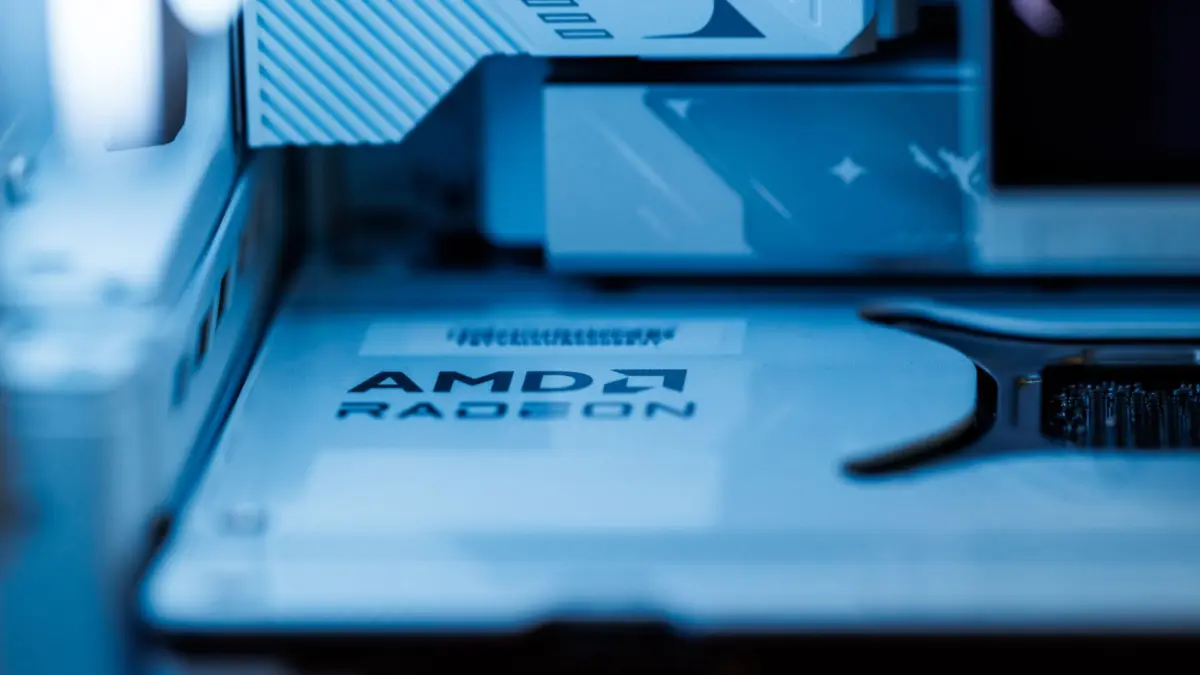
The controversy began when the regional social media account seized upon a report from Tom’s Hardware detailing an appearance by AMD Chief Executive Officer Dr. Lisa Su. The executive had traveled to Austin, Texas, to grace the grand opening of a new Micro Center store, where she personally interacted with enthusiastic PC enthusiasts, autographed a high-end graphics processing unit, and distributed promotional swag bags. Highlighting this customer-facing event, the AMD Japan account posted a message translating to the claim that "AMD values its interactions with gamers above all else."
Far from fostering goodwill, the statement triggered an immediate wave of skepticism and pushback from the online community. Social media users and community moderators were quick to point out that the lofty rhetoric clashed sharply with the lived economic realities of modern PC builders, who have seen hardware costs skyrocket to nearly unaffordable levels in recent years. The disconnect between corporate talking points and hardware pricing fueled a rapid deterioration of the narrative, culminating in the application of a crowdsourced community note directly contradicting the company’s assertion.
The community note did not pull its punches, directly citing statements from AMD’s own executive leadership to dismantle the claim. Commentators highlighted recent admissions by Dr. Su herself, who has publicly characterized AMD as a "data center-first company" as the firm aggressively chases the hyper-profitable AI and cloud computing markets. This strategic pivot, while immensely rewarding for shareholders and institutional investors, has left everyday gamers feeling alienated, sidelined, and priced out of hardware upgrades as silicon manufacturing capacity and engineering focus shift toward enterprise accelerators like the Instinct series.
Financial disclosures from the corporation further validate the concerns raised by consumers and contextualize the community note’s arguments. According to AMD’s Q3 2026 earnings report, the company’s data center division experienced a staggering 97% increase in revenue compared to the same period in the previous year. That astronomical growth translated to approximately $8.5 billion in revenue for the data center segment alone, underscoring just how dominant the enterprise and AI sectors have become within the corporation’s overall financial health.
In stark contrast, the segments catering directly to everyday consumers and PC gamers have taken a significant backseat. The combined client and gaming revenue for AMD fell by 8% down to $3.7 billion during the same financial quarter. Looking specifically at the dedicated gaming sector, the downturn was even more pronounced, with revenue plunging by a dramatic 40%. These figures paint a clear picture of a corporate entity deliberately reallocating its priorities, resources, and technological innovations toward the enterprise market, making the assertion that gamers are valued "above all else" ring hollow to a community bearing the brunt of rising component costs.
While corporate leadership occasionally engages in consumer-facing PR events—such as Dr. Su’s retail store appearance in Austin—the underlying market dynamics and official financial reports tell a different story. For many consumers, the juxtaposition of high-profile retail appearances with shrinking gaming divisions and soaring hardware prices has created a growing sense of frustration. As AMD continues its historic trajectory in the enterprise and data center spaces—with projections even suggesting it may soon outsell long-time rival Intel in quarterly metrics—the friction between its corporate ambitions and its historical consumer base remains a prominent flashpoint in the PC community.