In the latest episode of the PING podcast, APNIC Chief Scientist Geoff Huston joins the host to unpack a critical yet often overlooked foundation of the modern internet: the economics, vulnerabilities, and complex history of the worldwide undersea fibre-optic network. While billions of people rely daily on instant global communications, the physical infrastructure enabling this connectivity remains remarkably exposed to both human and natural threats.
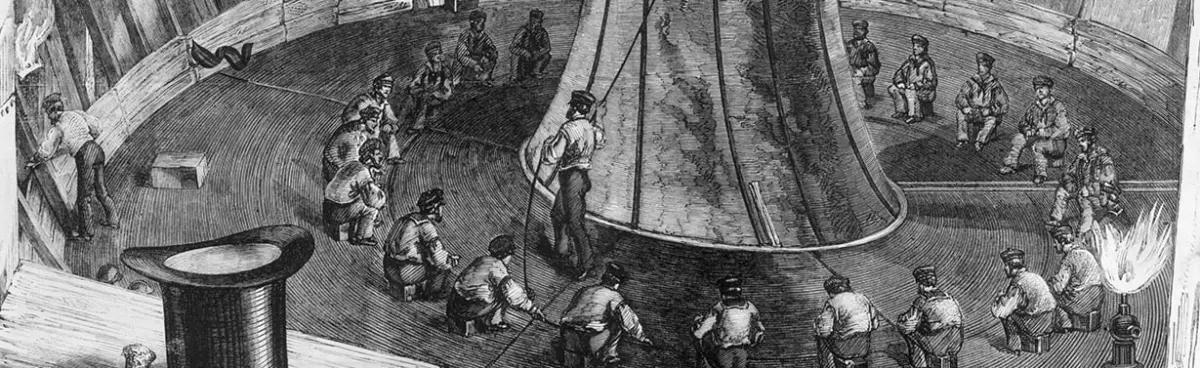
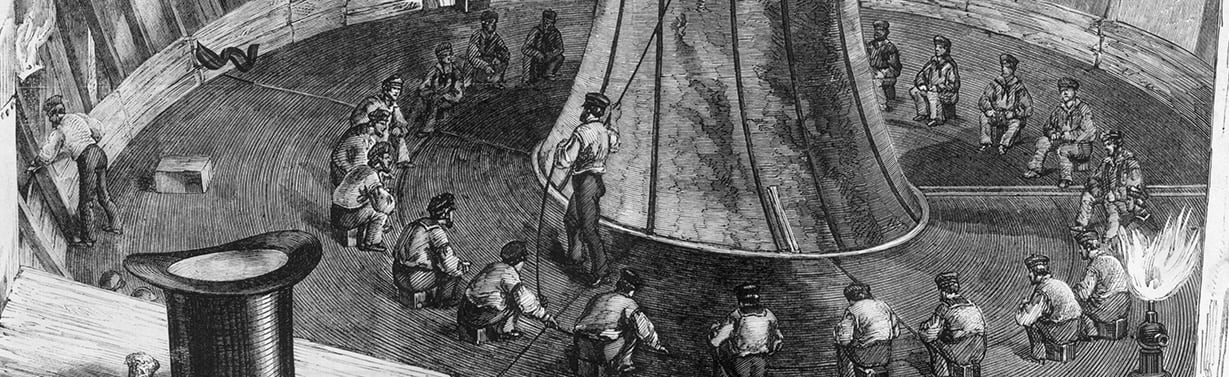
Cables linking distant economies share a long and storied history, tracing back to the earliest days of electronic signalling. The foundational era of subsea communication began in the early 1850s, when the first telegraph cables were successfully laid between Britain and continental Europe, as well as across the Irish Sea between Britain and Ireland. However, the monumental technological leap of the 19th century was bridging the Atlantic Ocean in 1858. That historic achievement was made possible by concurrent breakthroughs in metallurgy and steel manufacture, advanced electrical insulation techniques, and the deployment of massive steamships capable of carrying and safely laying thousands of miles of heavy cable across the ocean floor.
Those early systems were remarkably crude by modern standards, and initially plagued by extreme unreliability and sluggish performance. In the pioneering days of the transatlantic link between the Americas and Britain, it could take agonizing hours to reliably transmit and receive a single message. Yet, when compared against the weeks it typically took to cross the Atlantic by sailing ship, telegraphy felt nothing short of lightning fast—at least during the periods when the line remained operational. Frequent breaks and technical failures were a constant hazard, reminding early engineers of the unforgiving nature of the marine environment.
Rolling forward to the present day, modern subsea infrastructure has evolved into a network of highly sophisticated, highly reliable systems. Today’s optical cables utilize advanced optical repeaters, powered by erbium-doped fibre amplifiers, to re-energize degraded optical signals deep beneath the ocean surface. These technological innovations allow single fibre spans to cover vast oceanic distances without losing data integrity. Currently, more than 600 distinct submarine cable systems weave together to form a complex global mesh, providing the physical backbone for international telecommunications.
This expansive subterranean and submarine architecture has become utterly fundamental to how the world manages the petabytes of information flowing continuously between hosts on the Internet. Much of this heavy data traffic is destined for massive data centres and Content Distribution Network caches strategically located around the globe. Despite the efficiency of local caching, however, the modern world maintains an immense, unyielding reliance on continuous real-time connectivity for uncacheable content. Essential services such as the Domain Name System, live international communications, financial transactions, and vital inter-economy traffic all depend entirely on the uninterrupted performance of these undersea pathways.
Despite their critical importance, these networks face persistent physical threats. Almost any national economy with a sea border remains inherently vulnerable to accidental cable cuts caused by heavy commercial maritime activity, such as accidental dragging from ship anchors or commercial bottom-trawling fishing gear. Beyond accidental disruptions, analysts increasingly point to the looming risk of more deliberate, insidious attacks launched against critical infrastructure by state actors seeking to disrupt geopolitical adversaries or sabotage international communications.
Geology presents yet another layer of severe risk to the global internet architecture. The relentless movement of plate tectonics means that major geographical cable-crossing bottlenecks, such as the strategic Luzon Strait in East Asia, can easily transform into critical structural vulnerabilities. When numerous independent cable systems converge within the same high-risk geological zone, a single tectonic event or submarine landslide has the potential to simultaneously sever multiple routes, isolating entire regions from the global network.
The underlying economic models financing these massive cable systems represent an entirely separate dimension of mounting concern. For decades, much of the modern global cable network was financed under a traditional telecommunications model. In this historical paradigm, legacy telecommunications operators invested heavily in international connectivity as an essential, long-term component of their core infrastructure portfolios. However, those traditional telecom operators no longer dominate the fibre market as they once did. Instead, private-sector capital and massive technology conglomerates now play a vastly greater role in financing, owning, and operating these critical systems.
This modern shift in ownership raises pressing structural questions about the long-term sustainability and security of the global internet, particularly regarding the interests served by this new economic model. As private entities increasingly control the physical conduits of global data exchange, policymakers, researchers, and network operators continue to debate the resilience, governance, and future protection of the undersea cables that hold the digital world together.
Listeners interested in exploring these themes further can read Geoff Huston’s detailed blog posts on submarine cables, along with broader analyses concerning intercontinental fibre economics, directly on the APNIC Blog.
Those wishing to stream and subscribe to future episodes of the PING podcast can find the show across major audio channels. APNIC continually welcomes community engagement, and individuals interested in sharing relevant professional insights or research are encouraged to reach out directly to the production team. Feedback on both the podcast and the APNIC Blog remains welcome as the platform works to continually improve its coverage of critical internet infrastructure developments.