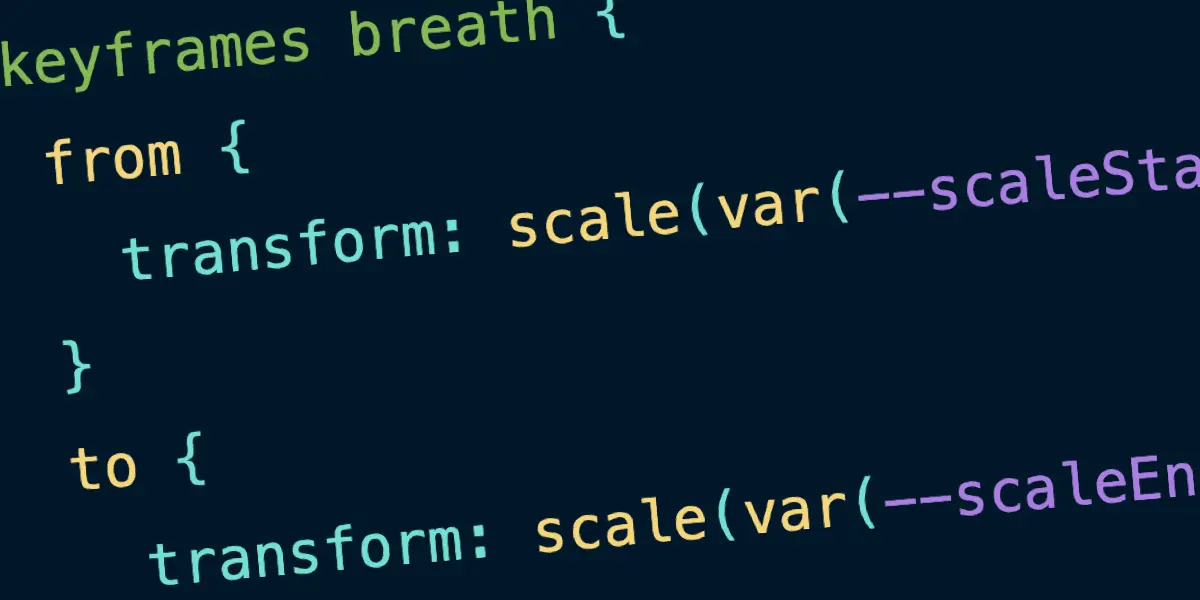
For years, web development platforms and publishing tools have relied on robust third-party libraries to make code snippets readable on the web. At CSS-Tricks, a custom WordPress block integrating Prism.js has served that purpose admirably. Prism remains a respected staple in the web ecosystem: it is robust, supports an extensive array of programming languages, performs efficiently, and has been thoroughly battle-tested across countless production sites. However, the modern web platform has evolved significantly, offering native features that make heavy external dependencies increasingly optional for standard styling tasks.
MicroLighter capitalizes on this evolution by relying almost entirely on CSS and Custom Highlights, specifically utilizing the ::highlight() pseudo-element. This API has reached Baseline status this year, meaning it enjoys broad, reliable support across modern web browsers without requiring developers to polyfill or jump through complex architectural hoops. By shifting the heavy lifting from JavaScript parsing to the browser’s native rendering engine, MicroLighter achieves everything required by modern developer blogs—such as themes, line numbers, multiple language support, and semantic markup—while shedding the extra dependencies that traditionally accompanied these features.
While JavaScript is not entirely eliminated from the equation, the amount required is drastically reduced. MicroLighter leverages modern CSS features like the light-dark() function and custom properties, making the creation or customization of syntax themes a straightforward process. Developers can easily define color variables for everything from background elements and foreground text to comments, keywords, operators, strings, constants, functions, types, variables, properties, tags, selectors, and inserted or deleted lines, allowing themes to adapt seamlessly to user preference settings without complex script logic.
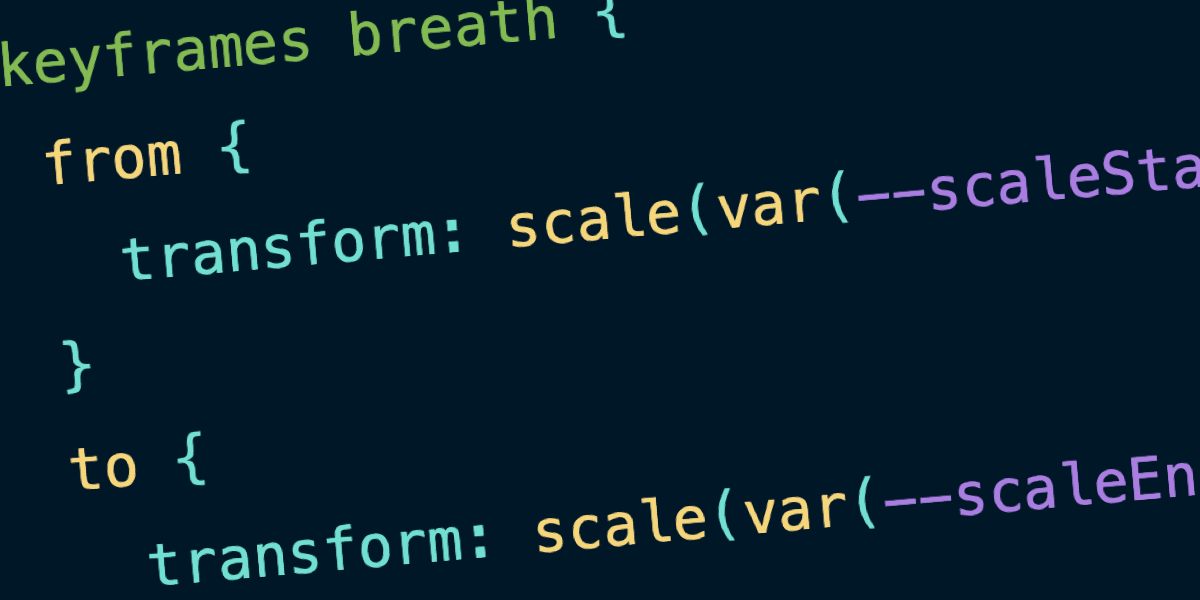
Furthermore, the architecture is thoroughly modular. Developers are not forced to download a monolithic library containing parsers for languages they will never display on their sites. Instead, components can be pulled a la carte. Specific themes, individual language definitions, line number modules, and even lightweight web components can be imported independently, as demonstrated by modular implementations that allow developers to import the web component script and configure elements with clean, straightforward attributes.
This approach parallels other innovative experiments in the developer space, such as specialized web fonts equipped with built-in syntax highlighting capabilities that run efficiently on personal blogs and documentation sites without introducing runtime overhead.
The practical impact of this shift is already visible in production environments. Following the integration of MicroLighter in place of Prism on CSS-Tricks, performance metrics reflect a notable reduction in resource weight. While a formal performance benchmark measuring exact millisecond improvements in page speed has not been fully detailed, the raw file size savings are substantial. Prism previously registered at approximately 35 kilobytes raw, or about 9.3 kilobytes when gzipped. In contrast, MicroLighter comes in at 13.9 kilobytes raw, dropping to a mere 5.2 kilobytes gzipped. These figures are particularly impressive given that WordPress-specific customizations and integrations had to be baked directly into the implementation.
For developers interested in exploring the project further or evaluating its implementation details, the source code and documentation remain publicly accessible via its direct repository links.