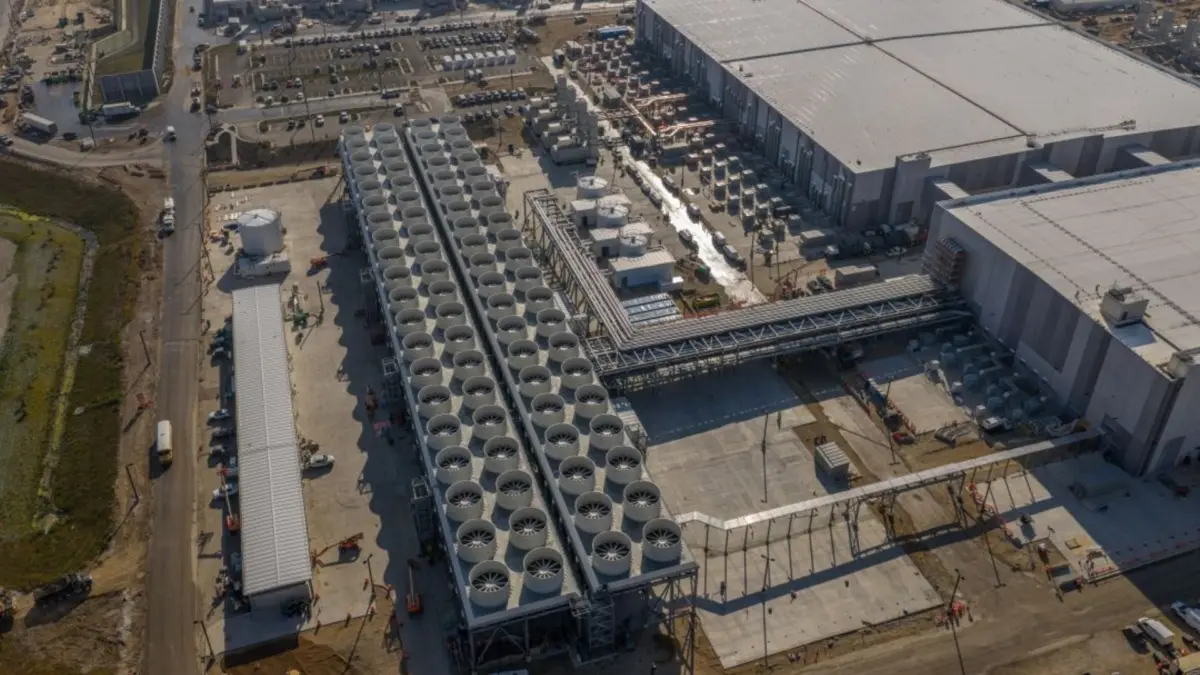
According to a recent report by The New York Times, the decision to use modified jet engines—traditionally designed for aviation rather than stationary power generation—has ignited a fierce debate over environmental safety and regulatory oversight in Mississippi. While the temporary or supplemental generators have secured the necessary state-level permissions and environmental permits to operate, local communities and advocacy groups are raising alarms over the potential degradation of regional air quality. The core of the controversy centers on the specific emissions profile permitted for these turbines, which includes elevated levels of pollutants known to cause respiratory and environmental harm.
The permits granted for the xAI facility allow for a 25 percent higher limit in pollutants known as volatile organic compounds, or VOCs, compared to standard thresholds or baseline expectations for cleaner industrial operations. Volatile organic compounds are a diverse group of organic chemicals that easily evaporate at room temperature. When released into the atmosphere, VOCs can react with other air pollutants in the presence of sunlight to form ground-level ozone, a major component of smog that poses significant health risks, particularly to vulnerable populations such as children, the elderly, and individuals with chronic respiratory conditions like asthma.
In addition to the higher permitted limits for volatile organic compounds, the operation of these converted jet turbines results in the substantial expulsion of carbon monoxide. Carbon monoxide is a colorless, odorless gas that can reduce the flow of oxygen in the bloodstream and is harmful when inhaled in high concentrations. The combination of increased VOC emissions and significant carbon monoxide output has led environmentalists and public health advocates to warn that relying on jet engines to power artificial intelligence data centers represents a dangerous step in the wrong direction for industrial energy policy. Critics argue that as the tech industry champions the potential of AI to solve complex global challenges, its physical infrastructure is increasingly relying on high-emission, fossil-fuel-reliant technologies that run counter to broader environmental goals.
The controversy has already moved beyond public debate and entered the legal arena. The Southern Environmental Law Center, a prominent regional conservation and advocacy organization, has officially challenged Mississippi’s decision to approve the jet turbine generators for use at the xAI data center. The legal challenge targets the state regulatory framework that permitted the elevated pollution limits, questioning whether environmental agencies adequately evaluated the cumulative impacts of utilizing aviation technology for heavy-duty stationary power generation. Legal representatives for the conservation group argue that approving such high-emission setups sets a concerning precedent for future industrial developments in the region, potentially opening the door for other power-hungry technology companies to bypass stricter environmental reviews in favor of rapid, stopgap energy solutions.
The situation in Mississippi underscores a broader, nationwide dilemma facing the artificial intelligence sector. As companies like xAI, OpenAI, Google, and Microsoft push the boundaries of machine learning capabilities, the computational power required to train and run massive large language models has skyrocketed. Data centers now consume vast quantities of electricity, often rivaling the power consumption of small cities. Traditional utility companies are frequently unable to upgrade local electrical grids quickly enough to match the unprecedented pace of AI development. This mismatch between infrastructure growth and technological advancement has forced tech giants to explore aggressive alternative power strategies, ranging from restarting dormant nuclear reactors and investing in dedicated renewable energy farms to deploying mobile or unconventional generators like gas turbines and converted jet engines.
While these rapid deployment strategies allow companies to bring their data centers online much faster than would be possible if they waited for grid expansions, they frequently shift the burden onto local ecosystems and communities. The use of aircraft engines for stationary power generation is particularly resource-intensive and traditionally reserved for extreme emergency situations, such as stabilizing an electrical grid during a catastrophic failure or supplying remote industrial outposts. Deploying them as primary or supplemental power sources for commercial data centers highlights the extreme lengths to which tech companies are willing to go to secure uninterrupted power in an increasingly competitive market.
As the legal challenge brought by the Southern Environmental Law Center moves forward, the case is expected to draw national attention to the intersection of artificial intelligence infrastructure and environmental regulation. State regulators in Mississippi, xAI representatives, and environmental advocates will face mounting scrutiny over how to balance the economic and technological ambitions of the booming AI industry with the imperative to protect public health and local air quality. With energy demands continuing to rise and the timeline for artificial intelligence expansion showing no signs of slowing down, the outcome of this dispute could influence how data centers are powered across the United States for years to come.