

Samsung’s latest wave of foldable devices has enjoyed an undeniably strong reception in the consumer market. Following the breakout success of the Galaxy Z Fold 8 series—which captured headlines and won over users with its refined proportions—the South Korean tech giant is reportedly preparing to take its hardware strategy even further. Industry leaks suggest that Samsung is gearing up to launch its largest and most diverse foldable lineup ever by the year 2027, introducing new form factors and expanding existing categories to capture a broader audience.
According to a recent report and insights shared on social media by tipster TheGalox, Samsung’s aggressive hardware expansion could kick off as early as 2027 with the introduction of the Galaxy Z TriFold 2. This anticipated device would serve as the spiritual and direct successor to the original Galaxy Z TriFold. That first-generation multi-fold device made waves upon release, but its market run was notably brief, with production reportedly halted by Samsung after just three months due to manufacturing complexities, niche appeal, or supply chain constraints.
Despite the abrupt exit of the original tri-folding concept, Samsung appears ready to double down on multi-fold technology. Rumors surrounding the upcoming TriFold sequel suggest it could arrive boasting a significantly thinner, lighter, and more durable chassis than its predecessor. However, the advanced engineering required for such a device will likely come with a steep cost, with early estimates pointing toward a hefty price tag hovering around $2,800. The timing of these renewed leaks has also drawn comparisons to broader industry shifts, gaining momentum quickly following high-profile competitor events like Apple’s hypothetical or anticipated product moves in the dual-screen sector.
Expanding the Core Lineup and Introducing the "Pro" Tier
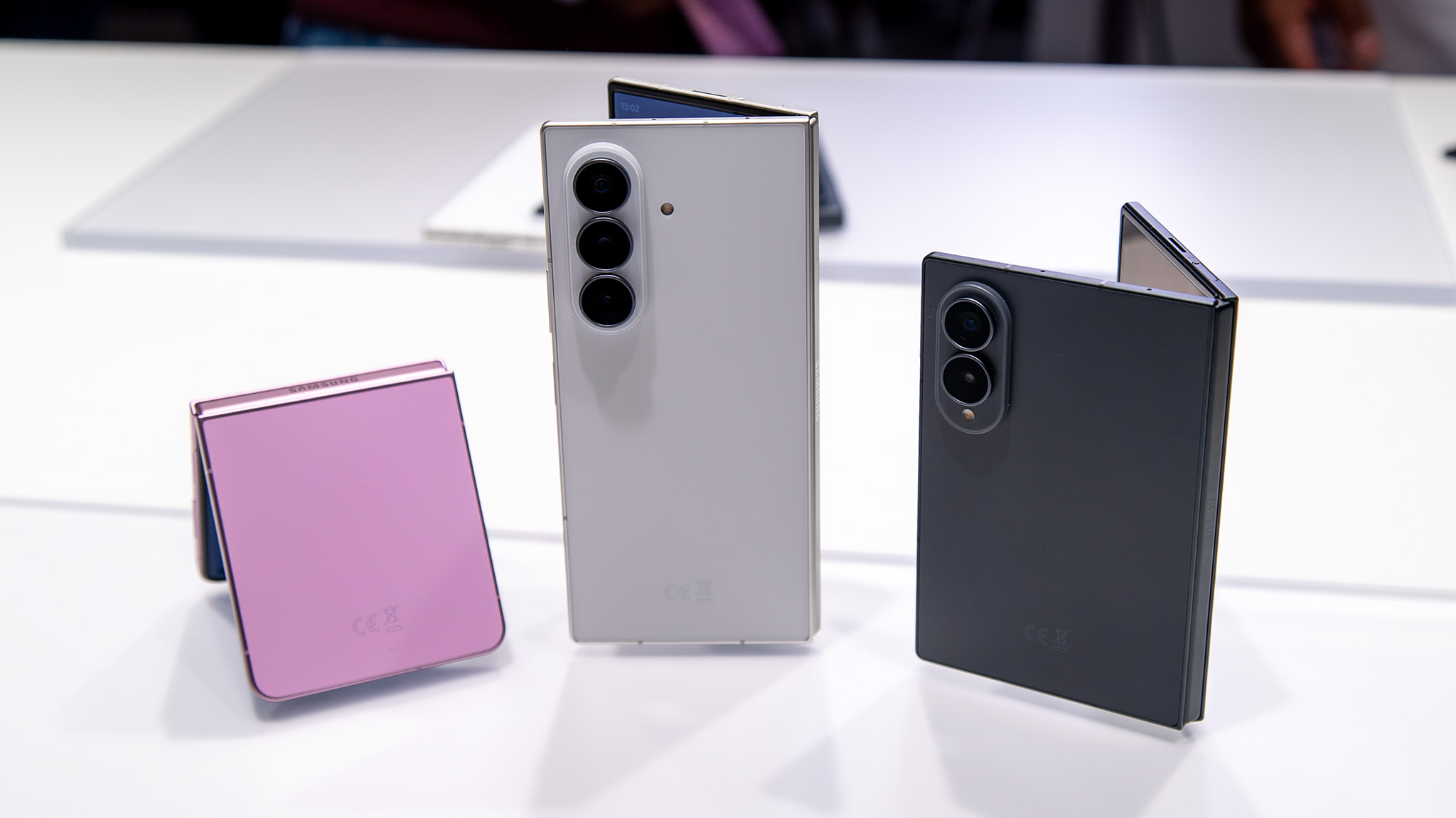
Beyond the multi-fold category, Samsung’s traditional foldable ecosystem is also poised for a shake-up. At present, the company’s current generation features a distinct trio of devices: the standard Galaxy Z Fold 8, the larger book-style Galaxy Z Fold 8 Ultra, and the clamshell-style Galaxy Z Flip 8. The Fold 8 series in particular struck a chord with everyday buyers thanks to its slightly shorter and wider outer display, which dramatically improved usability compared to earlier, taller iterations.
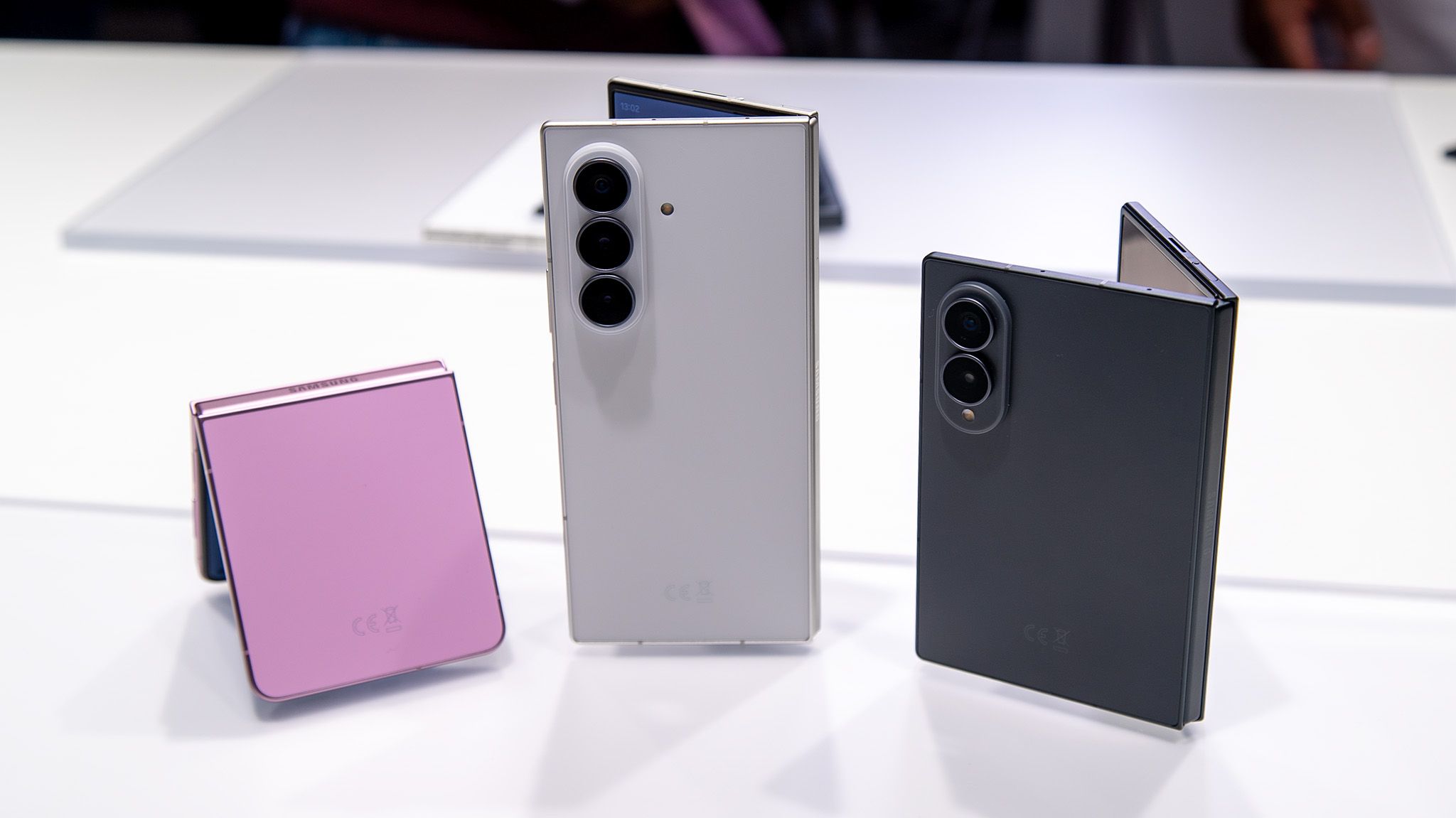
Looking ahead to the subsequent generations, tipsters indicate that Samsung might introduce an additional model into the mix: the rumored Galaxy Z Fold 9 Pro. While the existence of a standard Galaxy Z Fold 9 and a clamshell Galaxy Z Flip 9 is largely taken for granted by industry analysts, the positioning of a "Pro" variant remains shrouded in mystery. It remains entirely unclear how Samsung plans to differentiate a Pro model from the baseline Fold 9 and the top-tier Fold 9 Ultra, or whether it will focus on camera enhancements, stylus integration, battery capacity, or specialized multitasking software features.
At the same time, the most intriguing piece of the 2027 puzzle involves an entirely new branch of flexible display technology. Alongside the traditional book and flip form factors, rumors have surfaced suggesting that Samsung could finally commercialize a rollable or sliding device under the banner of the "Galaxy Z Slide." While the prospect of a sliding phone captures the imagination, it also highlights the inherent tension between futuristic concept designs and practical, everyday consumer needs.
Sliding Into the Future of Mobile Displays
While the notion of a rollable phone might sound like pure science fiction, the groundwork for such a device has been visible on industry exhibition floors for some time. To understand where Samsung might be heading with a potential "Galaxy Z Slide," observers often look back at the company’s major hardware showcases, such as Samsung Display’s presentation at CES 2025.
During those technology exhibitions, Samsung’s display manufacturing division frequently highlights advanced prototypes that push the boundaries of organic light-emitting diode (OLED) technology. Among the concepts shown to attendees were the "Slidable Flex Duet" and the "Slidable Flex Solo." The Duet model, for instance, demonstrated a mechanism that allowed users to extend the screen outward simultaneously from both the left and right edges. In its compact state, the device functioned much like a standard phone with an 8-inch footprint, but expanding the display panels transformed the workspace into a sweeping 12.4-inch tablet-like canvas.
Meanwhile, the larger Solo concept pushed dimensions even further, transitioning seamlessly from a 13-inch configuration up to a massive 17.3-inch viewing area. Whether Samsung intends to adapt these specific display mechanisms directly into a consumer-grade smartphone or pocket-sized device remains an open question. Prototypes and concepts displayed at trade shows are primarily designed to showcase engineering capabilities and gauge public interest rather than serve as concrete product roadmaps.
Nevertheless, these concepts provide vital context for why analysts believe rollable technology is inching closer to commercial reality. The primary hurdle for any sliding or rollable phone will not merely be the engineering feat of a motorized or manual track system, but the real-world durability, thickness, weight, and retail cost.
Weighing Innovation Against Market Realities
As anticipation builds toward 2027, industry watchers and consumers alike are left weighing the excitement of innovative form factors against practical economic realities. The resounding success of devices like the shorter, wider Galaxy Z Fold 8 proved that mainstream buyers value ergonomic improvements and everyday usability over sheer technological novelty.
If Samsung does indeed move forward with an expansive lineup featuring a refined TriFold 2, a mysterious Fold 9 Pro, and an entirely new Galaxy Z Slide class, it will face the difficult task of pricing these sophisticated machines competitively in a market where smartphone costs have steadily climbed. Concepts may captivate tech enthusiasts, but transforming experimental rollable and multi-folding screens into reliable, daily-driver hardware will ultimately determine whether Samsung’s ambitious 2027 strategy reshapes the mobile industry once again.



Leave a Reply