
If you need any more proof that our modern corporate reality is increasingly mirroring a high-stakes espionage thriller, look no further than the latest extraordinary developments emerging from the heart of the artificial intelligence industry. Reality has officially begun to mimic fiction as tech companies grapple not just with fierce market competition, but with genuine insider threats reminiscent of a Hollywood spy film.
In an official corporate disclosure, artificial intelligence pioneer OpenAI revealed that it had successfully uncovered what it described as a sophisticated recording device hidden deep within one of its primary corporate offices. The physical surveillance equipment had been covertly planted by an internal employee whose ultimate motivations and objectives remain unknown to investigators. Swiftly after the clandestine device was discovered and flagged by internal security teams, the individual responsible was, in the stark phrasing utilized by the corporate leadership, promptly terminated from the company. This abrupt and severe corporate fallout has naturally prompted considerable discussion and a fair share of dark humor across online platforms, with online observers and tech commentators publicly wondering what, exactly, that swift termination entailed behind closed doors.

What makes this particular corporate espionage incident even more surreal is the method of investigation employed by the artificial intelligence titan. OpenAI publicly disclosed that it actually utilized its own advanced models and machine learning systems to analyze the physical device and trace its operational origins. It appears that in this day and age, even corporate spycraft and counter-surveillance operations cannot escape the pervasive reach of artificial intelligence, as proprietary algorithms are deployed to help untangle physical acts of industrial espionage.
Official details regarding the criminal case, the suspect, and the federal investigation have since been brought to light by the United States Department of Justice, providing a much clearer picture of how a high-tech corporate office became the unexpected setting for a federal investigation. The employee at the center of the controversy has been identified by federal authorities as Abdulrahman Alfozan, a 35-year-old Saudi national who was gainfully employed by OpenAI as an engineer. Alfozan’s tenure at the cutting-edge artificial intelligence firm came to an abrupt halt when he was formally arrested by agents of the Federal Bureau of Investigation.
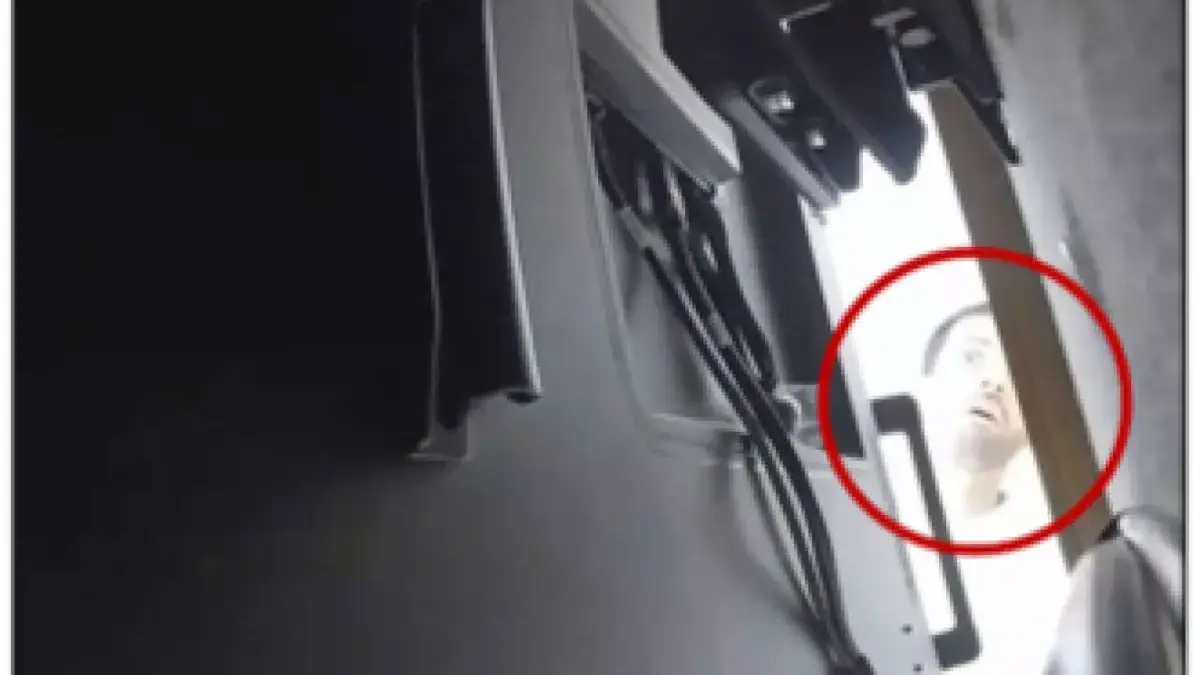
According to federal prosecutors leading the case, Alfozan executed his surreptitious plan by inserting the recording device into a standard USB port located on the back of a television set. This particular television was situated inside an executive conference room located within one of OpenAI’s prominent San Francisco office buildings. To mask the presence of the electronic hardware and blend it into the surrounding environment, the device was wrapped in ordinary toilet paper before being plugged into the television set. The clandestine operation occurred on a weekend, with the installation taking place on September 28. Fortunately for the company, the hidden hardware did not go unnoticed for long, as observant personnel discovered the device just a few days later during routine checks and office maintenance. Following the discovery, initial technical assessments by OpenAI indicated that the contents held on the device’s internal storage were heavily encrypted, preventing immediate unauthorized access to whatever audio data may have been captured during its brief deployment.

The scope of the federal investigation quickly widened as authorities searched the broader premises. Investigators revealed that Alfozan had also left behind a separate bag containing an additional recording device alongside a collection of other miscellaneous items in an entirely different room within the same corporate building. As a result of these actions, the federal government has brought formal charges against the former engineer. According to the FBI, Alfozan has been officially charged with using, or endeavoring to use, an electronic, mechanical, or other surveillance device to intentionally intercept oral communications within a private corporate facility. The legal ramifications for these charges are severe; if he is ultimately found guilty in a court of law, Alfozan could face a sentence of up to five years in federal prison, alongside substantial financial penalties that could include fines of up to $250,000.
In the wake of the security breach, OpenAI leadership and internal cybersecurity teams have worked diligently to assess the potential damage and data exposure resulting from the incident. Thus far, the artificial intelligence research organization has stated that it currently possesses no indications or evidence suggesting that Alfozan successfully managed to obtain sensitive proprietary assets, such as the company’s closely guarded model weights, core source code, or confidential customer data.
However, the physical location chosen for the surveillance hardware is a matter of significant institutional concern. The conference room where the recording device was planted was far from an ordinary breakroom or casual meeting space. Instead, it served as a high-level venue where highly confidential technical, commercial, and strategic information was frequently discussed by executives, researchers, and key decision-makers. The revelation that an insider had targeted such a sensitive environment highlights the growing vulnerability of leading technology laboratories to targeted intelligence-gathering operations, transforming the serene campuses of Silicon Valley into unexpected frontlines for corporate security and federal law enforcement.



Leave a Reply