
As the digital retail sector continues to evolve at a breakneck pace, business owners are increasingly turning to artificial intelligence to streamline operations, cut administrative overhead, and deliver deeply personalized shopping experiences. Industry observers point out that the modern ecommerce stack is no longer defined by separate, siloed applications for hosting, marketing, and customer support. Instead, integrated AI ecosystems are reshaping how digital storefronts are built, managed, and scaled.

Recent industry analysis highlights 13 leading platforms that leverage core store data—including live product catalogs, order histories, browsing behaviors, and customer interactions—to automate tasks ranging from cart recovery and inventory forecasting to dynamic product recommendations. Choosing the right solution ultimately depends on which segment of a retail operation requires the most intervention, whether that involves initial site generation, content creation, targeted email campaigns, customer service, or deep analytics.

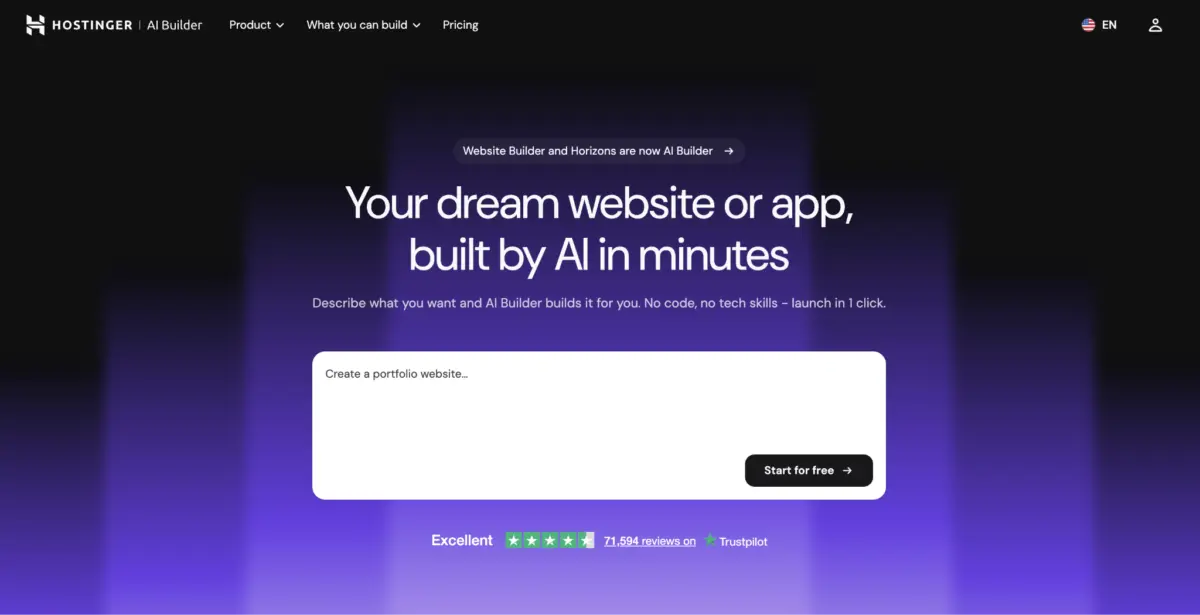
For entrepreneurs establishing a brand-new digital footprint, all-in-one solutions offer a streamlined entry point. Platforms like the Hostinger AI Builder allow users to generate a complete online store from a simple descriptive prompt. By simply uploading a product photograph, the system can autonomously formulate listing copy, suggest pricing models based on visual cues or text inputs, and format the imagery for immediate deployment. This single-platform approach accommodates physical goods, digital assets, subscriptions, and gift cards, while also providing round-the-clock live chat support to assist merchants in real time.

Conversely, merchants operating within established ecosystems often favor native integrations that eliminate the need for third-party subscriptions. Shopify store owners, for instance, have access to built-in administrative assistants and creative tools such as Shopify Sidekick and Shopify Magic. Operating directly within the existing merchant dashboard, these tools assist with daily administrative duties, draft product descriptions, edit visual assets, configure discount structures, and automate operational workflows without requiring external software integration.

Beyond foundational setup, managing product content and visual assets across large inventories remains a significant operational bottleneck for growing enterprises. To combat visual inconsistency, platforms like Photoroom automate the standardization of product photography at scale. By stripping away original backgrounds, placing items onto cohesive backdrops, and automatically resizing visuals for various sales channels, the software ensures that catalogs comprising thousands of items maintain a professional, studio-quality appearance without the recurring expenses of physical photo shoots.

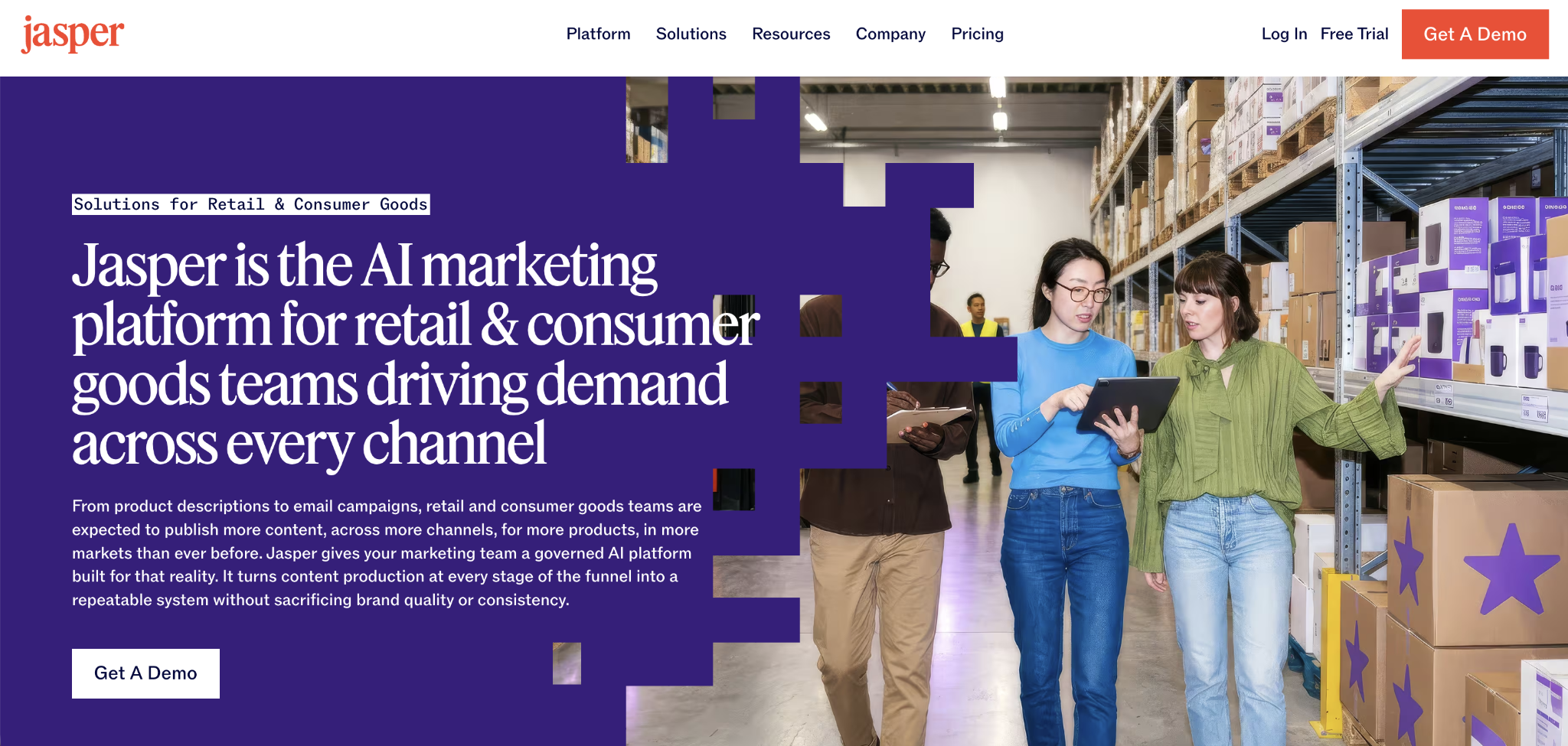
Simultaneously, content generation platforms like Jasper address the challenge of maintaining a consistent brand voice across expansive product ranges. By ingesting technical specifications, brand guidelines, and stylistic examples into a centralized knowledge base, specialized copywriting agents produce tailored product descriptions and marketing copy adapted for multiple digital marketplaces. While these tools typically require manual publishing to the live storefront, they significantly reduce the time required to populate large product databases.
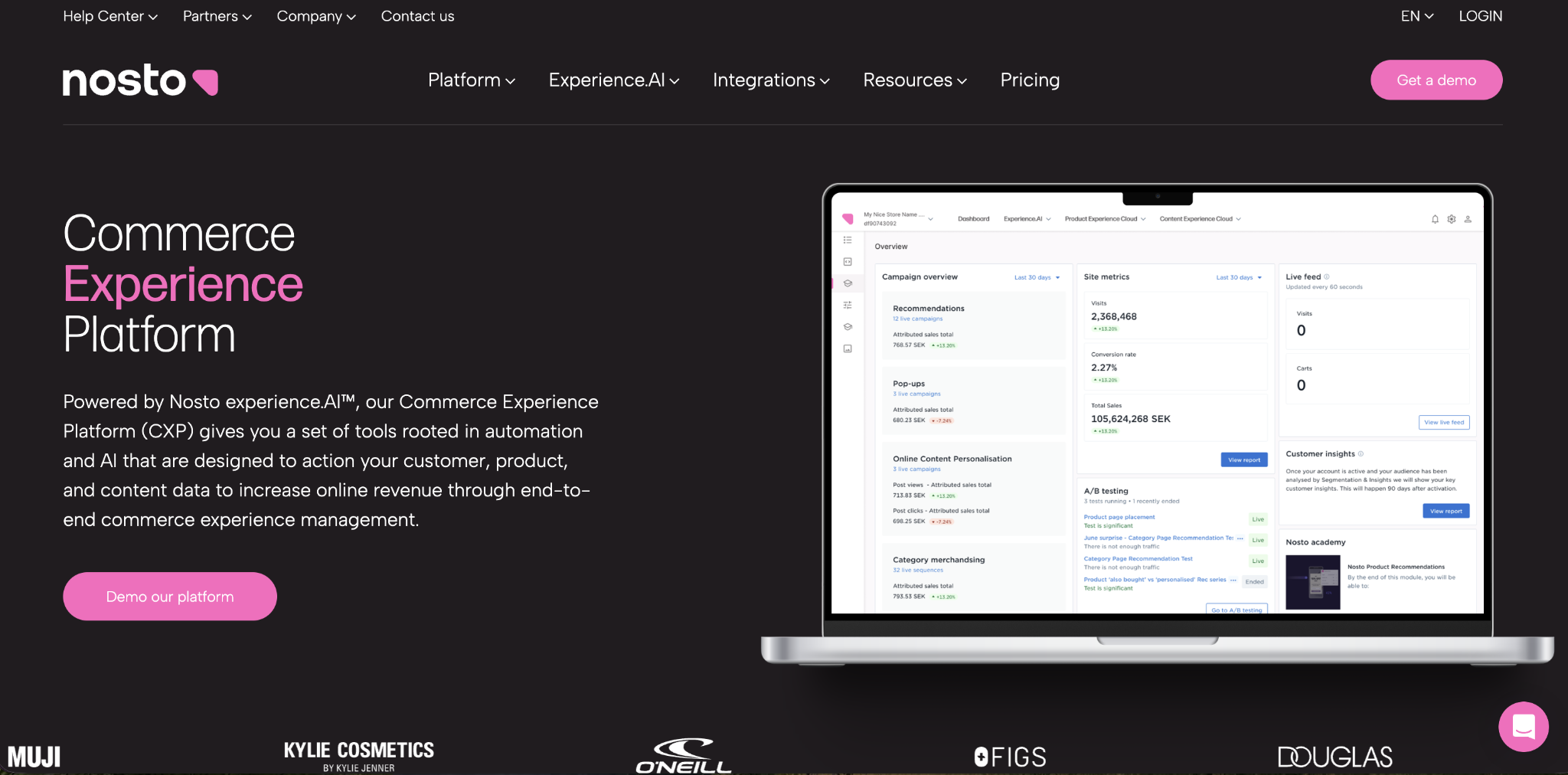
Personalization and discovery represent another critical frontier for high-volume retailers. Advanced personalization engines such as Nosto evaluate individual visitor behavior to dynamically adjust storefront layouts, search results, and promotional displays in real time. Because these machine learning algorithms rely heavily on substantial user traffic to identify meaningful behavioral patterns, they are particularly well-suited for mid-market and enterprise brands with diverse catalogs.
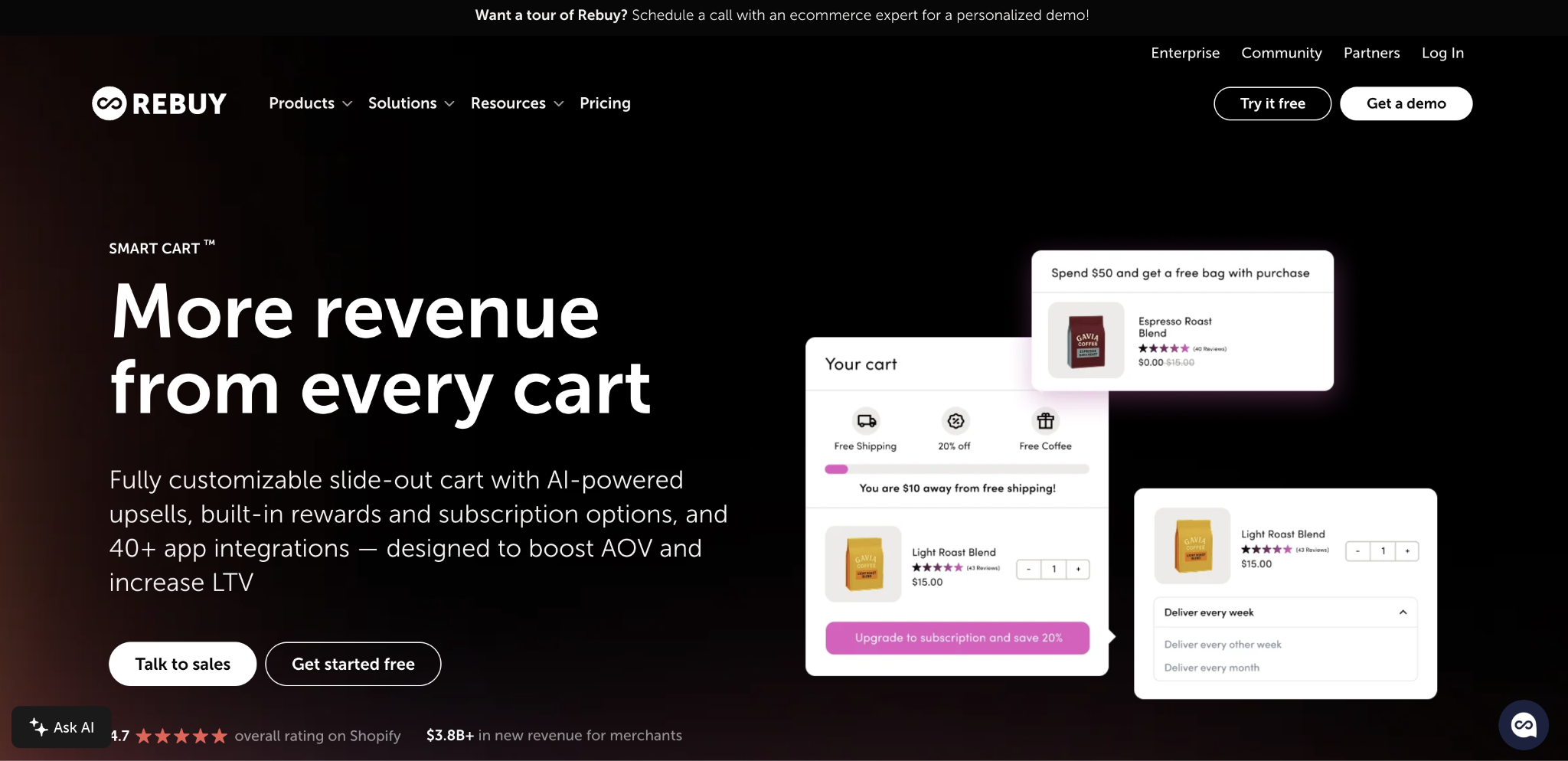
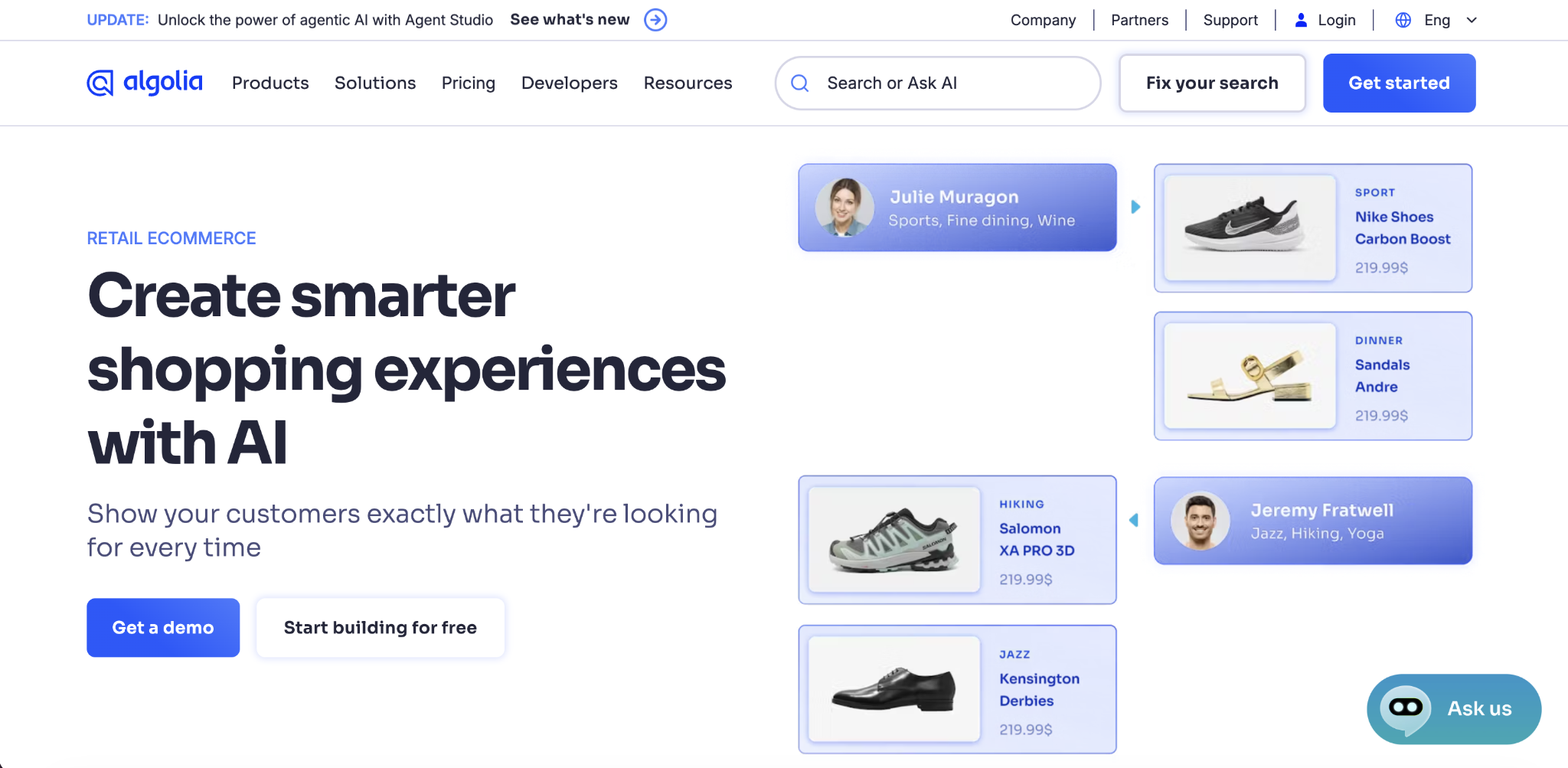
Similarly, platforms like Rebuy focus heavily on maximizing average order values through intelligent upsells and cross-sells embedded directly into the cart and checkout phases. For merchants grappling with complex catalogs and high search volume, AI-driven discovery engines like Algolia enhance traditional search bars by seamlessly interpreting typos, synonyms, and nuanced user queries, ensuring that shoppers are directed to relevant products rather than bouncing from the site.
Retention and customer communication have also undergone a radical transformation through data-driven automation. Email and retention platforms like Klaviyo integrate deep browsing and purchasing metrics to predict future buying behavior, enabling highly targeted lifecycle campaigns and repeat-purchase automation for growing brands. For smaller store owners seeking rapid deployment with minimal configuration, alternatives like Omnisend offer pre-built workflows for cart recovery, welcome series, and win-back campaigns.
Customer support operations have seen similar efficiency gains through conversational AI. Specialized platforms like Gorgias connect directly to store databases to autonomously resolve routine post-purchase inquiries, such as tracking down delivery statuses or processing returns, while seamlessly escalating complex issues to human agents. For pre-purchase engagement, tools like Tidio Lyro act as virtual shopping assistants, guiding undecided buyers through catalog options, answering product availability questions, and adding items directly to carts.
Finally, advanced analytics and operational forecasting tools provide critical oversight for scaling businesses. Triple Whale consolidates multi-channel advertising data from platforms like Google, Meta, and TikTok into a unified dashboard, enabling merchants to accurately assess marketing attribution and return on ad spend. On the operational side, inventory planning platforms like Prediko analyze historical sales data to forecast future demand, helping Shopify merchants mitigate the risks of costly stockouts and excess inventory accumulation.

Industry experts emphasize that retail businesses do not need to adopt every available technology simultaneously. Instead, merchants are advised to identify the specific workflow that consumes the most time or capital, test targeted solutions using their own store data, and integrate additional tools only after the initial investment has proven its value.



Leave a Reply