
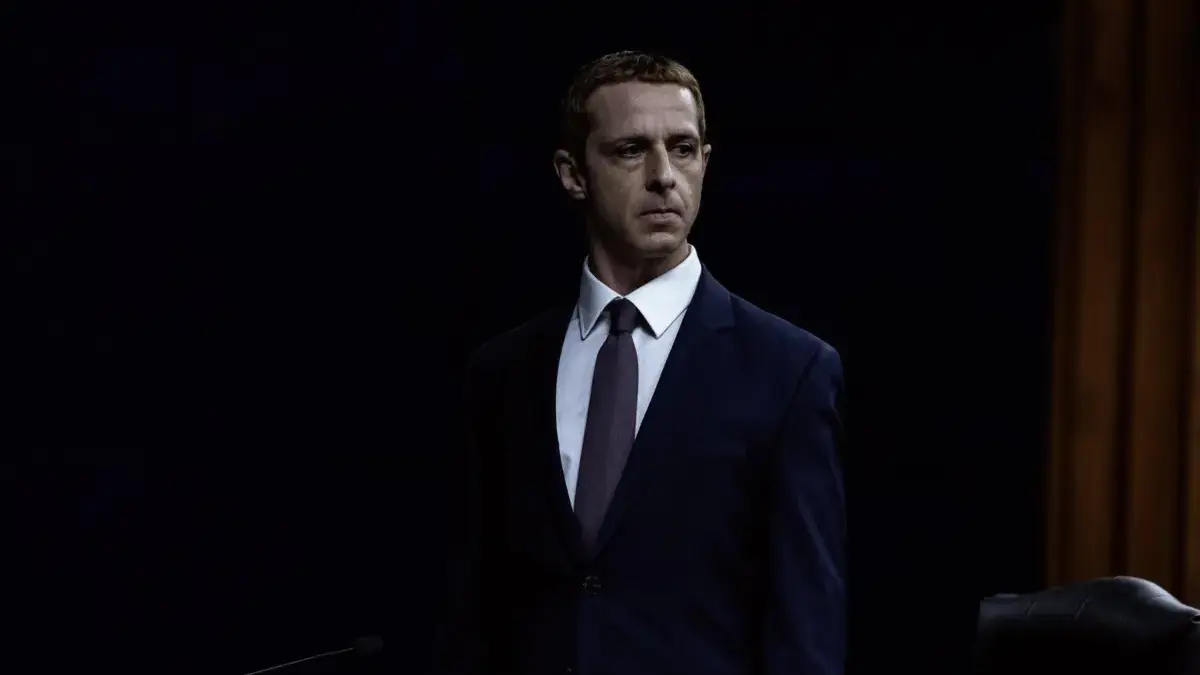
Despite tackling critical themes surrounding the modern digital landscape and the unseen human costs of tech industry giants, Aaron Sorkin’s latest cinematic endeavor, The Social Reckoning, has suffered a severe underperformance at the box office, signaling a stark disconnect between prestige drama and contemporary moviegoing audiences.
According to reports from Variety, the film—which serves as a spiritual successor of sorts to David Fincher’s acclaimed 2010 feature The Social Network—grossed a meager $5.5 million during its opening weekend. This dismal box-office return stands in sharp contrast to the film’s hefty production budget, which is estimated to sit somewhere within the $30 million to $42 million range. For Columbia Pictures and Sony, these early numbers position the project as a costly theatrical misfire. The financial sting is particularly acute when measured against the legacy of its predecessor, as The Social Network pulled in a robust $22 million during its opening weekend on its way to cementing itself as a modern cultural and cinematic landmark.
The underwhelming box-office returns do not arrive in a vacuum, nor are they entirely surprising to industry analysts, given the lukewarm reception the film received from critics ahead of its theatrical rollout. Currently holding a middling 55% approval rating on Rotten Tomatoes, The Social Reckoning has also faced widespread criticism, mockery, and intense debate across various social media platforms.
Several factors appear to be driving the film’s chilly reception among moviegoers. For one, audiences may have gone into theaters expecting a more direct, traditional sequel to The Social Network—a film that famously walked away with three Academy Awards, including Best Adapted Screenplay for Sorkin, as well as wins for film editing and its iconic score by Trent Reznor and Atticus Ross. Instead, Sorkin’s new project shifts its gaze away from the early garage days of Silicon Valley startups to focus on the contemporary fallout of platform capitalism, regulatory scrutiny, and corporate whistleblowing.

That shift in focus extends to the film’s central cast of characters, though public and critical response to the performances has been mixed. Some viewers and critics have struggled to fully connect with Mikey Madison’s portrayal of high-profile Facebook whistleblower Frances Haugen, or with Jeremy Allen White’s dramatic turn as Wall Street Journal reporter Jeff Horwitz, the journalist who spearheaded the explosive reporting on internal company documents.
The behind-the-scenes dynamics have also drawn scrutiny. Madison herself candidly indicated in an interview with The Hollywood Reporter that certain aspects of Sorkin’s singular vision as a director occasionally prevented the production from achieving what she felt was a fully authentic and faithful representation of a real-life living person—an artistic hurdle she hopes to navigate differently in future biographical projects. Furthermore, the film’s narrative continuity with the original 2010 masterpiece was significantly impacted by the absence of Jesse Eisenberg. According to Sorkin, Eisenberg—who earned an Academy Award nomination for his definitive portrayal of Mark Zuckerberg in The Social Network—expressed no interest in reprising his role or participating in the new film in any capacity, leaving the project to forge ahead without its original anchor.
Ironically, while The Social Reckoning struggles to draw crowds into auditoriums to witness a dramatization of contemporary tech ethics and institutional accountability, counter-programming at the weekend box office tells a very different story about what ticket buyers are currently craving. Blumhouse Productions’ latest horror offering, Other Mommy, raked in an impressive $27.5 million over the same weekend frame. Industry observers suggest this stark contrast highlights a broader theatrical trend: audiences are currently far more interested in engaging with novel, escapist horror entertainment than they are in purchasing tickets to be reminded of the very real-world platforms and systemic digital issues that have arguably made everyday modern life noticeably more stressful and exhausting.
As Columbia Pictures and Sony assess the long-term theatrical viability of The Social Reckoning, the film’s rocky start serves as a sobering reminder of the unpredictable nature of the post-pandemic box office, where even high-profile creative teams and ripped-from-the-headlines subject matter are no longer guaranteed a receptive audience.



Leave a Reply